
Quick Answer: When choosing between porcelain and natural stone tile for a Nocatee bathroom, porcelain wins on durability, moisture resistance, and low maintenance in Florida's humid climate, while natural stone offers unmatched luxury and resale appeal. Your best choice depends on your budget, lifestyle, and how much ongoing maintenance you're willing to do. A professional tile installation in Nocatee typically runs between $8 and $25 per square foot installed, depending on material and complexity.
Key Takeaways
- Porcelain tile outperforms natural stone in Florida's high-humidity bathrooms because it absorbs virtually no moisture.
- Natural stone adds significant luxury appeal and can boost resale value in Nocatee's competitive real estate market.
- Tile replacement costs in Jacksonville range from $1,500 to $8,000+ for a full bathroom, depending on square footage and material.
- Most bathroom tile replacements take 3 to 7 days from demo to final grout cure.
- Improper waterproofing and skipping sealer are the two most common and costly mistakes local homeowners make.
Bathroom tile replacement is one of those projects that can completely transform how a home feels, and for Nocatee homeowners, the stakes are especially high. Nocatee is one of the most sought-after master-planned communities in the Jacksonville area, and buyers pay close attention to finish quality. Choosing the wrong tile material, or having it installed incorrectly, can cost you thousands in repairs and lost resale value down the road.
Florida's climate adds a layer of complexity that you simply don't face in drier states. Jacksonville averages over 52 inches of rain per year, and indoor humidity levels stay elevated for months at a time. A bathroom tile system that works beautifully in Arizona can fail prematurely here if the wrong material or installation method is used. This guide gives you a straight-talking breakdown of your options so you can make a confident decision.
Whether you're updating a guest bath in Nocatee's eTown Village or renovating a master suite in Toscana, this guide covers everything you need: material comparisons, real cost ranges, common mistakes, and when to call a professional. Let's dig in.
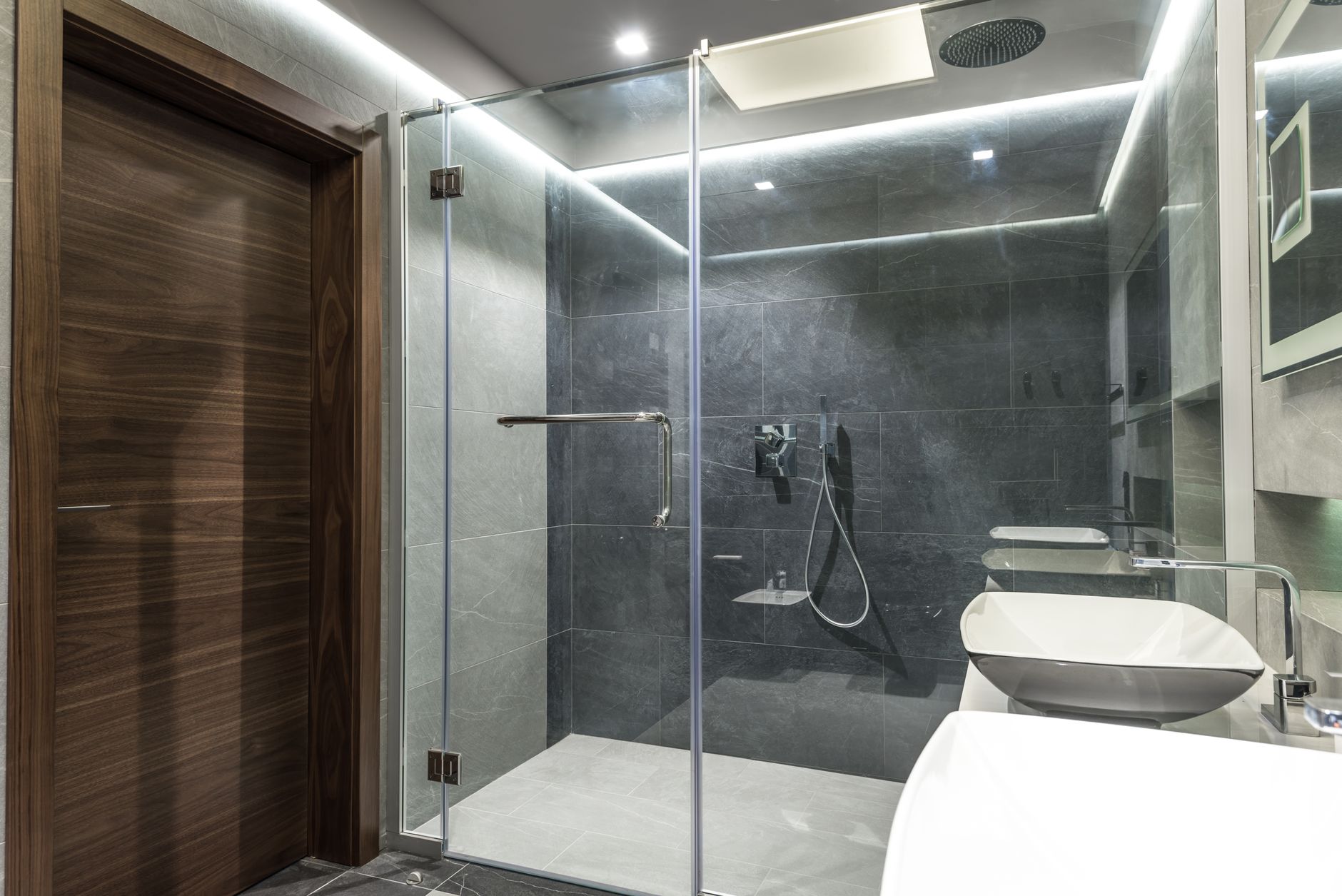
Bathroom Tile Basics: What Nocatee Homeowners Need to Know
Bathroom tile does a lot more than look pretty. It protects your subfloor and walls from moisture intrusion, provides a sanitary surface that resists mold and bacteria, and forms a watertight system around your shower or tub. When any part of that system fails, water finds its way into the structure of your home, and that's where expensive damage begins.
In Florida, the bathroom environment is more demanding than average. Shower steam, pool water tracked in from the backyard, and elevated ambient humidity all put stress on tile and grout. According to the Florida Department of Health, mold growth is a persistent concern in the Southeast due to warm temperatures and high humidity levels. Choosing the right tile and sealing system is your first line of defense.
There are four main categories of bathroom tile you'll encounter at tile showrooms and home improvement stores: ceramic, porcelain, natural stone, and glass. For full bathroom replacements in Nocatee homes, the decision usually comes down to porcelain versus natural stone. Ceramic is a budget option with limitations, and glass tile is best reserved for accents. Porcelain and natural stone each have genuine strengths worth understanding before you commit to a purchase.
Tile ratings matter more than most homeowners realize. Look for PEI ratings (Porcelain Enamel Institute) for floor tile wear resistance, and COF ratings (Coefficient of Friction) for slip resistance. For bathroom floors, you want a COF of at least 0.60 for wet conditions. The National Association of Home Builders recommends paying close attention to these ratings when selecting tile for wet environments.
Porcelain vs. Natural Stone: A Complete Breakdown for Jacksonville Bathrooms
This is where most homeowners spend the most time deliberating, and rightfully so. Both materials look stunning when installed well. But they behave very differently in Florida's bathroom environment, and the differences go beyond aesthetics.
Porcelain Tile: The Practical Powerhouse
Porcelain is fired at extremely high temperatures and pressed under high pressure, which makes it one of the densest tile materials available. Its water absorption rate is less than 0.5%, which means moisture simply has nowhere to go. For a bathroom in a humid Jacksonville climate, that low absorption rate is a significant advantage.
Modern porcelain has come a long way visually. Today's large-format porcelain tiles can convincingly mimic marble, travertine, wood, and concrete at a fraction of the natural material's cost. You get the look of luxury without the maintenance demands. Rectified porcelain tiles (precision-cut to exact dimensions) also allow for very tight grout joints, which reduces the surface area where mold and bacteria can grow.
Porcelain is also scratch-resistant, freeze-thaw stable (less relevant in Jacksonville, but worth knowing), and holds up well to cleaning products. For households with kids who come in from the pool, or pets that share the bathroom, porcelain is easier to keep clean and harder to damage. It's also a solid choice for Fleming Island and St. Johns homeowners who want a durable material that can handle a busy household.
Porcelain pros: Low maintenance, moisture-resistant, wide style range, durable, lower cost.
Porcelain cons: Heavier than some alternatives (subfloor assessment needed), can feel cold underfoot, harder to cut without professional tools.
Natural Stone Tile: The Luxury Standard
Natural stone, including marble, travertine, limestone, and slate, is the material of choice when homeowners want a bathroom that genuinely photographs like a magazine spread. No two slabs are exactly alike, and that natural variation creates an organic, high-end look that even the best porcelain replicas can't fully match.
In Nocatee's higher-end homes and communities like Ponte Vedra Beach, natural stone bathrooms remain a key selling feature. Buyers at the $700K+ price point often expect stone, and it can justify a premium asking price when the installation is done well. If you're planning to sell within the next five to seven years, natural stone in a master bath can offer a meaningful return.
The trade-off is maintenance. Natural stone is porous and must be sealed on a regular schedule, typically once a year for marble and more frequently for softer stones like travertine. In Florida's humidity, an unsealed or under-sealed stone floor is a mold risk. Grout lines in natural stone installations also tend to be wider, creating more surface area to maintain. Acidic cleaners (think common bathroom products) can etch marble surfaces permanently.
Natural stone pros: Unique beauty, luxury appeal, adds resale value, stays cooler underfoot in summer.
Natural stone cons: High maintenance, must be sealed regularly, vulnerable to etching, higher material and installation cost, not all stones suit wet areas.
Which Is Right for Your Nocatee Bathroom?
If you want a low-maintenance bathroom that performs well in Florida's climate and holds up to daily family use, porcelain is the smarter choice for most homeowners. If you're designing a showpiece master bath in a higher-end Nocatee home and you're committed to proper sealing and gentle cleaning products, natural stone can be a worthwhile investment.
Many of our clients split the difference: porcelain for the floor (where foot traffic and moisture impact are highest) and a natural stone accent wall or vanity area to add visual interest without taking on full stone maintenance. It's a practical compromise that works beautifully.

Common Mistakes Jacksonville Homeowners Make With Bathroom Tile
Tile installation looks deceptively straightforward, which is why so many DIY projects and even some contractor jobs go sideways. Here are the most common mistakes we see in Jacksonville bathrooms, and why they're worth avoiding.
1. Skipping Proper Waterproofing Behind the Tile
Tile is not waterproof by itself. The grout and tile system needs a dedicated waterproofing membrane behind it, especially in the shower surround and floor. Many homeowners and less experienced contractors assume cement backer board is sufficient. It isn't. Without a proper membrane like a sheet-applied or liquid-applied waterproofing system, water migrates through grout lines and into the wall structure over time. In Florida's humidity, that moisture has nowhere to evaporate, and mold follows. The Florida Building Commission sets specific standards for wet area construction, and waterproofing is a code requirement in shower installations.
2. Choosing Pool-Area Tile for Indoors (or Vice Versa)
Jacksonville households spend a lot of time around their pools, and it's tempting to carry the same tile indoors for a cohesive look. But outdoor and indoor tiles serve different environments. Outdoor pool tiles are rated for UV exposure, freeze-thaw cycles, and chlorine contact. Indoor bathroom tiles prioritize slip resistance in wet conditions and grout performance under foot traffic. Using the wrong category in the wrong setting leads to premature wear, discoloration, and safety hazards. If you're also considering upgrades around your pool, visit our Pool Services page for options specific to outdoor surfaces.
3. Underestimating the Subfloor Requirements
Tile needs a stable, level substrate to bond correctly. Older Jacksonville homes, especially those built in the 1970s and 1980s, sometimes have subfloor deflection (flex) that exceeds what tile can tolerate. When a subfloor moves, tile cracks and grout fails, sometimes within months of installation. A thorough subfloor inspection and any needed repairs should happen before a single tile is set. Skipping this step to save money upfront almost always results in a complete redo within a few years.
4. Using the Wrong Grout or Skipping Grout Sealer
Unsanded grout, sanded grout, epoxy grout, and urethane grout each have appropriate applications. Using the wrong grout type for the joint width or application leads to cracking and discoloration. Equally common is skipping the grout sealer after installation, or not reapplying it on schedule. In Jacksonville's humid environment, unsealed grout in a bathroom is a mold magnet. For natural stone installations, the sealer on the tile itself is equally critical.
5. Buying Just Enough Tile
Tile is ordered by the box, and dye lots vary slightly between production runs. If you run short mid-project and need to reorder, the new tiles may not match the original ones exactly. The standard recommendation is to order 10 to 15 percent more than your measured square footage to account for cuts, breakage, and future repairs. We consistently see homeowners order the exact square footage, hit a snag, and end up with a mismatched patch or a complete redo. Order extra. Store the leftovers.
DIY vs. Hiring a Professional in Jacksonville
Honest answer: bathroom tile replacement is one of those projects where the gap between a good DIY result and a professional result is significant. That said, there are situations where a motivated homeowner with the right tools and patience can do excellent work.
When DIY Makes Sense
Small accent repairs, replacing a few broken tiles in a non-shower area, or installing a simple backsplash in a powder room are reasonable DIY projects for someone with basic tile experience. If you're comfortable with a wet saw, understand thin-set mixing ratios, and have time to let each stage cure properly, small tile projects can be a satisfying weekend task.
When to Call a Professional
Full shower replacements, floor-to-ceiling bathroom renovations, natural stone installations, and any project involving waterproofing membrane installation should be handled by a licensed professional. These projects require precise execution at every stage. A mistake in the waterproofing layer isn't visible until water damage shows up in the ceiling below or mold appears in the wall cavity.
Working with a trusted local contractor also protects you legally. Jacksonville and St. Johns County require permits for certain bathroom renovation work, and permitted work is inspected to code. Unpermitted work can complicate home sales and void homeowner's insurance claims. The City of Jacksonville provides permit guidance through its online building services portal.
WSJ Remodeling, Handyman and Pool Services brings a 5.0-star Google rating and 135 verified customer reviews to every bathroom tile project in Nocatee, Ponte Vedra, and across the Jacksonville area. Our team has completed thousands of jobs locally and understands exactly what Florida homes require. When you're investing in a bathroom renovation, that local experience matters.
Not sure which category your project falls into? Our Service Areas page has more information about where we work and what we offer, or give us a call and we'll give you an honest assessment.
What to Expect: Cost Breakdown for Jacksonville
Bathroom tile replacement costs in Jacksonville depend on four main factors: the size of the space, the material you choose, the complexity of the layout, and whether any subfloor or waterproofing repairs are needed. Here are realistic ranges for Northeast Florida.
Material Costs (Per Square Foot, Uninstalled)
- Standard ceramic tile: $1 to $4 per square foot
- Mid-range porcelain tile: $3 to $8 per square foot
- Premium large-format porcelain: $6 to $15 per square foot
- Entry-level natural stone (travertine, slate): $5 to $12 per square foot
- Premium natural stone (marble, quartzite): $10 to $30+ per square foot
Installation Costs
- Labor for basic tile installation: $5 to $12 per square foot
- Complex patterns (herringbone, mosaic): $10 to $18 per square foot
- Waterproofing membrane installation: $3 to $6 per square foot additional
- Subfloor repair or leveling: $200 to $800 depending on scope
- Demo and haul-away of existing tile: $300 to $700 for an average bathroom
Total Project Ranges
- Small powder room or guest bath (under 50 sq ft) with porcelain: $1,500 to $3,500
- Full master bath (80 to 120 sq ft) with premium porcelain: $4,000 to $7,500
- Full master bath with natural stone: $6,000 to $12,000+
- Shower-only replacement: $2,500 to $5,500
These are investments in your home's value and function, not simply repair bills. Nocatee homes that sell in the $500K to $800K range benefit measurably from quality bathroom finishes. A well-executed tile renovation can return 60 to 70 percent of its cost in added resale value, and it makes the home significantly more appealing to buyers. For homeowners considering a broader renovation, pairing a bathroom update with other home improvements is often the most efficient approach to maximizing that return.
Pro Tips from Our Jacksonville Team

Our team has completed thousands of tile jobs across Jacksonville, Nocatee, Ponte Vedra, and surrounding communities. Here's what we've learned from working in Florida homes specifically.
1. Plan Your Layout Before a Single Tile Is Cut
Dry-lay your tiles on the floor before you mix any thin-set. This lets you visualize the pattern, find the visual center of the room, and avoid ending up with awkward slivers of tile at doorways or vanities. A five-minute planning step saves hours of regret. Most experienced tile installers spend as much time planning as they do setting.
2. Use a Larger Format Tile to Make Small Bathrooms Feel Bigger
This is counterintuitive but reliable: a 24x24 tile in a 60 square foot bathroom creates fewer grout lines, which makes the space read as larger. The trend in Nocatee and Ponte Vedra bathrooms has been moving toward 24x48 and even 48x48 large-format porcelain slabs for exactly this reason. Just confirm your subfloor can handle the added weight before committing.
3. Seal Natural Stone Before and After Grouting
Most installers seal natural stone after grouting. Experienced Florida installers seal it before grouting too. Why? Grout haze on unsealed stone can be almost impossible to remove without damaging the surface. A pre-grout sealer coat gives you a workable window to clean up before the grout sets permanently into the stone's pores.
4. Consider Epoxy Grout in Shower Areas
Traditional cement-based grout in a Florida shower will stain, discolor, and eventually harbor mold no matter how diligently you clean. Epoxy grout costs more and is harder to install, but it's non-porous, stain-resistant, and essentially maintenance-free once cured. For shower floors and lower walls where moisture contact is constant, epoxy is worth the added cost. According to the EPA, controlling moisture in bathrooms is the primary way to prevent mold growth indoors.
5. Time Your Renovation to Avoid Peak Pool Season
Scheduling a bathroom renovation in late fall or early spring means your household disruption happens when outdoor living is most appealing. Jacksonville's pool season runs from roughly March through October, sometimes longer. Tearing out your master bathroom in July when everyone wants to shower after the pool is a recipe for household stress. Fall is also when contractors tend to have more availability and quicker scheduling windows.
6. Don't Forget Heated Floor Systems
Electric radiant floor systems add very little to the tile installation cost when installed during a renovation, typically $300 to $700 for an average bathroom. In Nocatee, where winter mornings can dip into the 40s, a heated tile floor is a genuine comfort upgrade that buyers notice. It's far more expensive to install after the fact, so if you're already demoing the floor, it's worth serious consideration.
Our team at WSJ Remodeling, Handyman and Pool Services brings that kind of detail-oriented thinking to every project. With 135 verified five-star Google reviews and deep experience across Jacksonville's neighborhoods, we know what works in Florida homes and what doesn't. You can also explore our Handyman and Remodeling services in Ponte Vedra, FL if you're working on a bathroom in the Ponte Vedra or Palm Valley area.
Frequently Asked Questions
How long does a full bathroom tile replacement take in Nocatee?
Most full bathroom tile replacements take between three and seven business days from demolition through final grout cure. The demo and subfloor prep usually take one day, tile installation one to two days, and then grout and sealer need 24 to 72 hours to fully cure before the bathroom is back in use. More complex projects with natural stone, heated floors, or significant subfloor repairs can extend the timeline to 10 to 14 days. Always plan for your bathroom to be out of service for at least a week to avoid rushing any of the curing stages, which can compromise the final result.
Is porcelain or natural stone better for resale value in Nocatee?
In Nocatee's mid-range homes (roughly $400K to $650K), high-quality porcelain tile that mimics stone is typically the better investment because buyers expect durability and low maintenance. In higher-end Nocatee properties and adjacent communities like Ponte Vedra Beach, genuine natural stone in the master bath can be a meaningful selling point. The key is matching the finish level of the tile to the overall price point of the home. Over-investing in $25-per-square-foot marble in a $350K home rarely returns its cost, while the same tile in a $900K home is simply expected.
How often does natural stone tile need to be resealed in Florida?
In Florida's humid climate, marble and limestone should be sealed every 12 months at minimum, and travertine every six to 12 months depending on traffic and moisture exposure. The simplest test is the water drop test: drip a small amount of water onto the stone surface. If it beads up, your sealer is intact. If it absorbs within a few minutes, it's time to reseal. Using the wrong cleaning products, particularly anything acidic like vinegar or citrus-based cleaners, can break down sealer faster and etch the stone surface. Always use pH-neutral stone cleaners in Florida bathrooms.
What permits are required for bathroom tile replacement in Jacksonville or St. Johns County?
In most cases, a like-for-like tile replacement (removing old tile and installing new tile over an existing, sound substrate) does not require a building permit in Jacksonville or St. Johns County. However, if the project involves moving plumbing fixtures, electrical changes such as adding a heated floor system, or structural subfloor repairs, permits are required. It's always smart to confirm with your contractor or check directly with the city or county before beginning work. The City of Jacksonville's Building Inspection Division provides permit lookup and requirements online. Unpermitted work that required permits can create complications during a home sale.
Can I tile over existing tile in a Jacksonville bathroom?
Technically yes, but it's generally not recommended for full bathroom renovations. Tiling over existing tile adds height, which can create transitions at doorways, conflict with fixture heights, and add significant weight to the subfloor. It also means you're bonding new tile to a surface that may have failing grout or adhesion issues beneath it. Demo of the existing tile allows for proper inspection of the waterproofing membrane and subfloor, which is where most hidden problems live in Florida bathrooms. For a small accent wall or backsplash in good condition, tiling over can work well, but for floors and shower surrounds, demo is almost always the right call.
How do I find a reliable tile contractor in the Nocatee area?
Start by confirming the contractor holds an active Florida contractor's license, which you can verify through the Florida Department of Business and Professional Regulation. Ask specifically about their experience with waterproofing systems in wet areas, because this is where less experienced installers cut corners. Request references from completed bathroom projects in Nocatee or similar St. Johns County communities, and ask to see photos of their grout work and natural stone installations if relevant. Online reviews are a useful signal, but look for consistent patterns in feedback rather than just overall star counts. WSJ Remodeling, Handyman and Pool Services has a 5.0-star Google rating based on 135 verified reviews and thousands of completed jobs across Jacksonville and its surrounding communities.
What are the warning signs that my bathroom tile needs to be replaced?
Cracked or loose tiles are the most obvious signal, but hollow-sounding tiles when tapped are equally concerning because they indicate the adhesive bond has failed and moisture is likely penetrating beneath. Grout that is consistently dark, discolored, or showing black spotting despite regular cleaning often indicates mold growth within the grout or behind the tile. Soft spots in the subfloor adjacent to the shower or tub, peeling paint on adjacent walls, or musty odors in the bathroom are signs that water has already penetrated the tile system. Addressing these signs promptly is significantly cheaper than waiting until structural damage sets in.
Does tile installation work with radiant floor heating systems?
Yes, and porcelain tile is actually one of the best materials for use with electric radiant heating systems because it conducts and holds heat efficiently. Natural stone also works well with radiant systems. The heating element is installed directly on the subfloor or backer board and then tiled over, and a thermostat is wired to the wall. The key is to use a thin-set mortar rated for use with radiant heating systems, as standard products can crack under the thermal cycling. For Jacksonville bathrooms, radiant floor heating is most appreciated on winter mornings and adds a luxury element that buyers consistently respond to positively. The Energy Star program provides guidance on energy-efficient heating systems that can help minimize operating costs for radiant floor systems.
Ready to Get Started?
If you're planning a bathroom tile replacement in Nocatee, Ponte Vedra, Mandarin, St. Johns, or anywhere across the Jacksonville area, WSJ Remodeling, Handyman and Pool Services is ready to help you do it right. We're a 5.0-star rated home services company with 135 verified Google reviews and thousands of completed jobs across Northeast Florida. Our team understands Florida's unique climate demands and brings the local experience needed to deliver bathrooms that hold up beautifully for years.
Whether you're choosing between porcelain and natural stone, planning a full master bath renovation, or just replacing a damaged shower floor, we'll give you honest guidance and a clear, detailed estimate with no pressure and no surprises.
We proudly serve Jacksonville, Ponte Vedra Beach, Nocatee, Mandarin, St. Johns, Fleming Island, and surrounding communities. You can also learn more about our work in San Marco and Southbank or our Riverside and Avondale projects for more examples of our remodeling work across Jacksonville.
Call us today at (904) 747-8788 or Request a Free Estimate and let's talk about your bathroom transformation. We're here to make it easy.
WSJ Remodeling, Handyman and Pool Services. 7643 Gate Parkway, Suite 104-1230, Jacksonville, FL 32256. Phone: (904) 747-8788 or (904) 747-9636.