
Quick Answer: A carpenter specializes in skilled wood construction and finish work, including cabinetry, trim, and structural framing. A handyman handles a broad mix of smaller repairs and maintenance tasks across multiple trades. For most Jacksonville homeowners, the decision comes down to project complexity, required permits, and whether the work is specialized wood craftsmanship or general upkeep.
Key Takeaways
- Carpenters are the right call for complex wood projects, structural work, and high-end finish carpentry like crown molding or built-ins.
- Handymen are ideal for multi-trade honey-do lists, minor repairs, and maintenance tasks that do not require a specialty license.
- Jacksonville's humidity and heat accelerate wood rot and warping, making the quality of your hire a direct investment in your home's value.
- Many projects in Jacksonville require building permits, and hiring the wrong professional can create costly compliance problems.
- WSJ Remodeling, Handyman & Pool Services handles both skilled carpentry and general handyman work across Jacksonville and the surrounding area.
Every Jacksonville homeowner eventually faces the same question standing in front of a damaged door frame, a sagging deck board, or a kitchen screaming for new cabinetry: do I need a carpenter or a handyman? The answer is not always obvious, and hiring the wrong professional can mean paying twice, once to fix the problem and once to fix the fix.
This guide breaks down exactly what each professional does, which projects belong in which category, what you should expect to pay in the Jacksonville market, and how Florida's climate plays into every decision. Whether you live in Nocatee, Mandarin, Fleming Island, or Ponte Vedra Beach, this is the resource you can actually use.
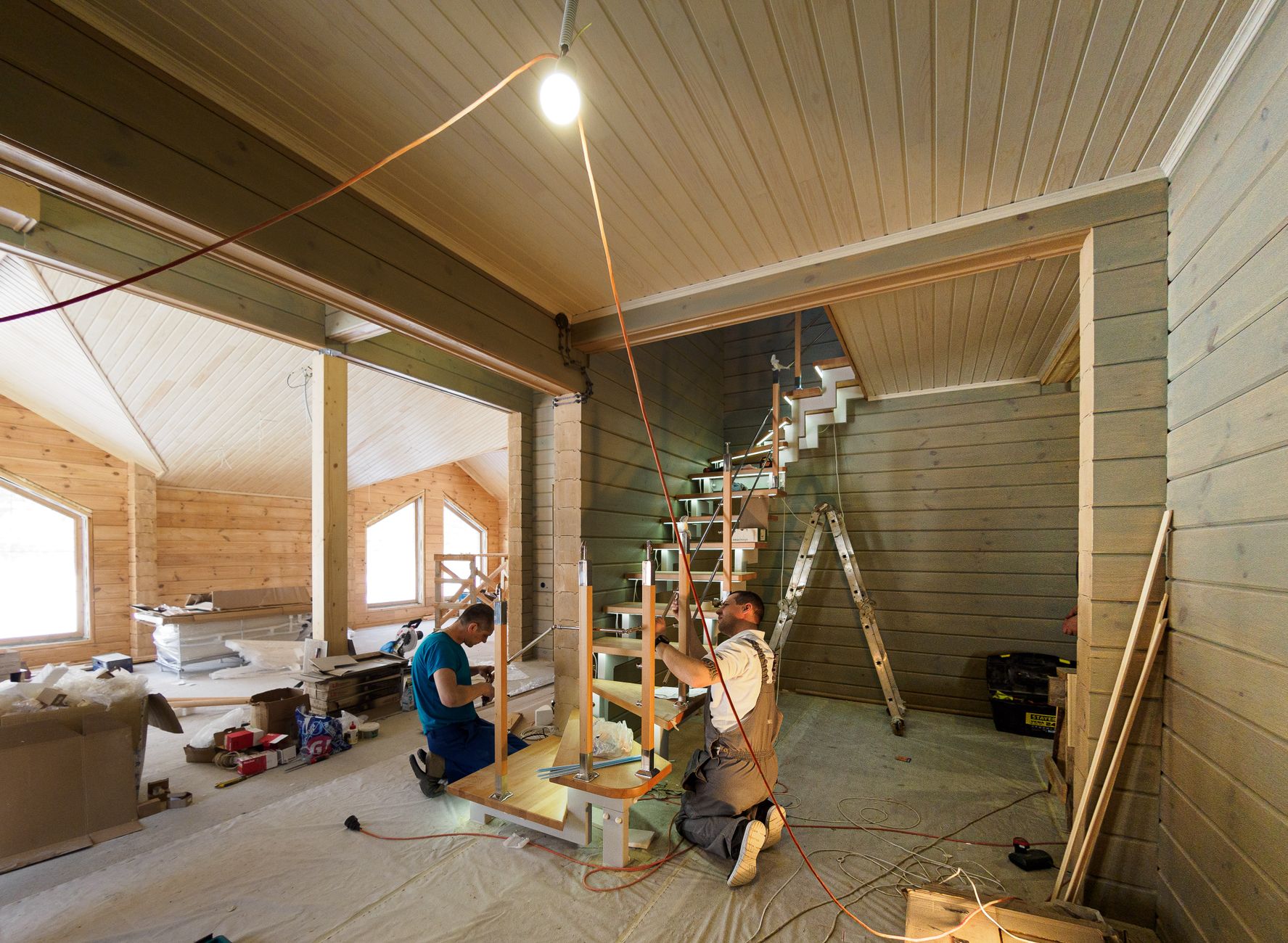
Carpenter vs. Handyman: Understanding the Fundamentals
The simplest way to think about this distinction is specialization versus versatility. A carpenter is a trained tradesperson whose expertise lives almost entirely in wood: framing, finish work, cabinetry, decking, trim, and structural repairs. A handyman is a generalist who can address a wide range of small-to-medium repairs across plumbing, drywall, painting, minor electrical work, and yes, basic carpentry.
Neither is better than the other. They serve genuinely different purposes, and the best home service companies in Jacksonville will tell you that honestly rather than overselling their scope.
What a carpenter typically handles:
- Framing for additions, room conversions, and structural repairs
- Custom cabinetry installation and built-in shelving
- Crown molding, baseboards, wainscoting, and decorative trim
- Deck construction and major deck repairs
- Door and window installation, including custom sizing
- Staircase construction and baluster replacement
- Wood rot repair on structural or semi-structural elements
What a handyman typically handles:
- Drywall patching and minor wall repairs
- Basic door adjustments, hardware replacement, and weatherstripping
- Fence repairs and minor deck board replacements
- Caulking, grouting, and minor tile work
- Fixture installation (ceiling fans, light fixtures, faucets)
- Gutter cleaning and minor exterior maintenance
- Pressure washing, screen repair, and general punch-list tasks
The National Association of Home Builders recommends that homeowners always confirm a contractor's specific trade experience before signing a contract, particularly for structural or finish work where quality directly impacts resale value.
A Project-by-Project Breakdown for Jacksonville Homeowners
Let's get specific. Here is how to categorize the most common repair and remodeling projects Jacksonville homeowners face, including how Florida's climate changes the calculus.
Wood Rot: Almost Always a Carpenter
Jacksonville averages around 52 inches of rainfall per year and sits at nearly 80% average relative humidity during summer months. That combination is a recipe for wood rot, especially on exterior trim, fascia boards, window sills, and deck framing. When rot has penetrated structural members or large sections of finish trim, this is carpenter territory.
A handyman can handle spot patching with wood filler on superficial rot. But if you press a screwdriver into the wood and it sinks easily, or if the rot has spread to load-bearing framing, you need a carpenter who understands wood replacement at a structural level. Cutting corners here is how Jacksonville homeowners end up with ongoing moisture problems and failed home inspections when they try to sell.
Deck Repairs: Depends on the Scope
Replacing a few warped or split deck boards? A skilled handyman can do that efficiently and affordably. Rebuilding the ledger board connection to the house, replacing joists, or constructing a new deck section from scratch? That requires a carpenter, and in most cases, a building permit from the City of Jacksonville's Development Services Division.
Permitted deck work is not optional. Unpermitted structural additions can create serious problems when you sell, refinance, or need a homeowner's insurance claim processed.
Crown Molding and Finish Trim: Carpenter
This is one of the most common areas where homeowners underestimate complexity. Crown molding requires precise angle cuts, often on compound miters, and an eye for alignment that comes from years of practice. In older Jacksonville homes, walls and ceilings are rarely perfectly plumb or level, which means an experienced carpenter has to scribe, adjust, and adapt in real time. Expect visible gaps, nail pops, and poor paint adhesion if this work is handed to someone without the proper skills.
Door and Window Repairs: Handyman or Carpenter, Depending
Adjusting a sticking door, replacing a doorknob, or installing a new deadbolt is squarely handyman work. Installing a new pre-hung door, replacing a door frame that has rotted or been damaged, or custom-sizing a door opening falls to a carpenter. Window screen replacement and hardware swaps are handyman tasks. Full window unit replacements, especially impact-rated windows required in many Florida coastal counties, need a licensed contractor.
Cabinetry and Built-Ins: Carpenter
This is specialized finish carpentry. Installing pre-fabricated base cabinets from a big-box store is something a skilled handyman can manage. Custom built-in bookcases, entertainment centers, window seats with storage, or any work that involves cutting and fitting materials on-site requires a carpenter. The difference in results is immediately visible and significantly affects home value in neighborhoods like Mandarin and Ponte Vedra Beach where buyers have high expectations for interior quality.
Honey-Do Lists: Handyman All the Way
If your list looks like this: fix the running toilet, patch the hole in the guest bedroom wall, replace the bathroom exhaust fan, rehang a cabinet door, and caulk around the tub, that is a handyman's wheelhouse. A good handyman can knock out five or six of those tasks in a single visit, which is far more cost-effective than scheduling multiple specialists.

Common Mistakes Jacksonville Homeowners Make
Mistake 1: Hiring a Handyman for Structural Carpentry
This is the most expensive mistake on the list. Structural framing, deck ledger boards, and load-bearing repairs are not tasks where good intentions substitute for trade expertise. When these jobs are done incorrectly, the failures are not always immediately visible. A deck that passes a casual visual inspection can still have compromised connections that fail under load. If you are not sure whether a project is structural, ask before you hire.
Mistake 2: Hiring a Specialty Carpenter for a Basic Punch List
Going the other direction costs money too. Paying carpenter rates for door hardware swaps, minor drywall patches, or fence board replacements is inefficient. Carpenters are worth every dollar for the work they specialize in. For everything else, a qualified handyman delivers better value at an appropriate price point.
Mistake 3: Ignoring Permit Requirements
Jacksonville has specific building codes, and Duval County enforces them. Structural deck additions, room conversions, and significant framing work require permits. Homeowners sometimes skip this step to save time or money, then discover during a home sale or insurance claim that the unpermitted work is a liability. Always ask your contractor whether a project requires a permit and verify through the City of Jacksonville if you are unsure.
Mistake 4: Treating All Wood Rot as a Cosmetic Problem
In Jacksonville's climate, surface rot is often a symptom of a larger moisture intrusion issue. Painting over soft wood or using filler without addressing the source of water infiltration is a short-term fix that typically fails within one to two seasons. A proper repair starts with identifying why the wood got wet in the first place, whether that is a failed flashing, missing caulk, or poor drainage, and addressing the root cause before replacing the wood. The Florida Building Commission has updated moisture management requirements in the Florida Building Code precisely because of how common this problem is in our climate.
Mistake 5: Choosing Based on Price Alone
The lowest bid is not always the best value, especially for finish carpentry that will be visible every day in your home. Gaps in crown molding, misaligned cabinet doors, and rough trim work are not things you can easily unsee once they are pointed out. Get multiple quotes, check references or reviews, and look for verified experience with the specific type of work you need done.
DIY vs. Hiring a Professional in Jacksonville
Let's be honest: some of this work is genuinely DIY-friendly, and some of it is not. Here is a realistic breakdown.
Reasonable DIY projects for capable homeowners:
- Replacing door hardware and locks
- Installing ceiling fans with existing wiring
- Small drywall patches (under 6 inches)
- Painting interior rooms
- Replacing individual deck boards with matching lumber
- Basic caulking around tubs and windows
- Replacing outlet covers and light switch plates
Projects where DIY typically costs more in the long run:
- Crown molding and decorative trim installation
- Any structural wood repair
- Door frame replacement
- Custom cabinetry installation
- Deck framing and ledger board connections
- Wood rot repairs involving multiple components
Jacksonville's heat and humidity add a practical consideration that does not apply in drier climates. Exterior wood repairs need to be done with the right materials, at the right time of year, and sealed properly to last. A DIY repair done with the wrong lumber species, without primer, or without proper flashing can fail within a single rainy season. The cost of redoing the work, plus potential damage to surrounding materials, almost always exceeds what a professional would have charged to do it right the first time.
Our team at WSJ Remodeling, Handyman & Pool Services has completed thousands of jobs across the Jacksonville area, and the pattern we see most often is homeowners bringing us in to correct DIY repairs that compounded a simple problem. We are not saying that to discourage you from doing your own work. We are saying it because we want you to make the call with full information.
What to Expect: Cost Breakdown for Jacksonville
Prices vary based on project scope, materials, and the contractor you hire, but here are realistic ranges for the Jacksonville market.
Handyman hourly rates: Most qualified Jacksonville handymen charge between $75 and $150 per hour, depending on experience and the nature of the work. Many offer flat rates for common tasks.
Common handyman project ranges:
- Drywall patch (small): $100 to $250
- Door adjustment or rehang: $75 to $175
- Fence board replacement (per board): $50 to $125 including materials
- Ceiling fan installation: $100 to $200
- Weatherstripping replacement (per door): $75 to $150
Carpenter project ranges:
- Crown molding installation (per linear foot): $8 to $20 including materials
- Pre-hung interior door installation: $250 to $500 per door
- Exterior wood rot repair (fascia board section): $300 to $800 depending on extent
- Deck board replacement (partial): $500 to $2,000 depending on scope
- Built-in bookcase or shelving unit: $1,500 to $5,000 depending on size and finish
- Full deck rebuild (labor only): $15 to $35 per square foot
Frame these costs as what they are: investments in your home's condition, safety, and resale value. In neighborhoods like Fleming Island, San Marco, and Mandarin, well-maintained homes consistently command stronger prices at sale. Deferred maintenance on visible finish work or structural elements has a multiplying effect on buyer perception that almost always exceeds the cost of the repair itself.

Pro Tips from Our Jacksonville Team
Our crew at WSJ Remodeling, Handyman & Pool Services has a 5.0-star Google rating built on 135 verified reviews, and a lot of that trust comes from being straight with customers about what their projects actually need. Here are the tips we share most often.
Tip 1: Inspect your exterior trim every spring and fall. Jacksonville's summer rainy season is brutal on painted wood. Check fascia boards, window sills, and door frames in late spring before the rains hit and again in October after the season ends. Catching soft spots early means a $200 repair instead of a $2,000 one.
Tip 2: Use pressure-treated or composite lumber for any exterior applications. Standard SPF lumber will not hold up in Florida's climate. For decks, exterior trim repairs, and any ground-contact applications, specify pressure-treated lumber rated for ground contact or consider composite materials that are not affected by moisture at all. This is not a place to cut costs on materials.
Tip 3: Bundle handyman tasks into a single visit. If you have five small things that need attention, schedule them together. Most handymen have a minimum charge, and getting five tasks done in one visit at a flat or hourly rate is significantly more cost-effective than five separate visits. Keep a running list and call when you have enough to justify a solid half-day of work.
Tip 4: Ask about licensing and insurance before any carpentry project. Florida requires specific licensing for contractors doing work above a certain dollar threshold, and structural work in particular should only be done by someone who is properly insured. The Florida Department of Business and Professional Regulation maintains an online license verification tool you can use to check any contractor's credentials before you hire.
Tip 5: Do not paint over wood rot, ever. We see this in older Riverside and Avondale homes fairly often. Paint covers the visual problem but traps moisture underneath, accelerating the rot. If the wood is soft, it needs to be replaced or properly treated with a consolidant and filler before any painting happens. Our team serving Riverside and Avondale handles this regularly in the historic neighborhoods where maintaining original character matters.
Tip 6: Match the right wood species to the application. Not all wood is the same. Douglas fir is great for framing. Pine is fine for interior trim. For exterior applications in Florida, consider species with natural rot resistance like cypress or redwood, or go straight to composite materials. The upfront cost difference is small compared to the lifespan difference in our climate.
Frequently Asked Questions
How do I know if my project needs a permit in Jacksonville?
Generally speaking, any structural work, including framing, deck construction, additions, and load-bearing repairs, requires a building permit in Jacksonville. Cosmetic work like painting, flooring, and most trim work does not. The City of Jacksonville's Development Services Division has an online portal where you can research permit requirements by project type. When in doubt, ask your contractor directly. A trustworthy professional will always tell you when a permit is needed rather than suggesting you skip it to avoid delays. Unpermitted structural work can cause problems during home sales, refinancing, and insurance claims.
What is the difference between a finish carpenter and a rough carpenter?
Rough carpenters handle structural framing, the bones of a building: floor joists, wall framing, roof rafters, and similar work that will eventually be covered by drywall or sheathing. Finish carpenters work on the visible wood elements that require precision and a clean final appearance, such as crown molding, baseboards, built-in cabinetry, stair railings, and door and window casing. Some carpenters do both, but specialists often focus on one or the other. When you are hiring for finish work in a visible area of your home, confirm the carpenter has specific experience with that type of project and ask to see examples of past work.
How long does a typical handyman visit take in Jacksonville?
This depends almost entirely on the number and complexity of tasks. A single simple repair, like adjusting a sticking door or patching a small drywall hole, might take one to two hours. A full punch-list visit covering five to eight small repairs typically runs four to six hours. Larger carpentry projects are scoped individually. When you call to schedule, describe each task as clearly as possible so the professional can give you an accurate time estimate and arrive with the right tools and materials. Being thorough upfront saves everyone time.
Does Jacksonville's humidity really affect wood that much?
Yes, significantly. Jacksonville averages around 52 inches of rainfall annually, and summer humidity regularly sits above 80%. Wood expands and contracts with moisture changes, which is why doors stick in summer and gaps appear in trim during drier months. Exterior wood that is not properly primed, painted, and sealed can begin showing rot within two to three years in Florida's climate, sometimes faster in shaded or north-facing areas where wood stays damp. This is why material selection and proper sealing are not optional details in Jacksonville, they are the difference between a repair that lasts five years and one that lasts fifteen.
Can a handyman legally do carpentry work in Florida?
Florida law allows handymen to perform work below a certain dollar threshold without a general contractor's license, but the specifics depend on the type of work and total project cost. Structural work, new construction, and projects above $1,000 in some categories typically require a licensed contractor. Cosmetic repairs, maintenance tasks, and minor carpentry work below those thresholds can generally be handled by an unlicensed handyman. The safest approach is to hire a company that carries both general liability insurance and the appropriate credentials for the specific work you need done, and to verify before work starts rather than after.
What warning signs should I look for that indicate a wood rot problem?
The most obvious sign is discoloration: dark staining, gray weathering, or paint that is bubbling, peeling, or flaking off in sections. If you press a screwdriver or your fingernail firmly into exterior wood and it sinks or compresses, the wood has lost structural integrity and needs to be replaced. Soft spots on decking, spongy fascia boards, or window frames that feel hollow when tapped are also red flags. Inside the home, look for staining on walls below windows, which often indicates that exterior rot has progressed to the point where water is infiltrating the wall cavity. The Florida Department of Health notes that moisture-damaged wood also creates conditions favorable to mold growth, adding another reason to address rot promptly.
How do I find a reliable carpenter or handyman in Jacksonville?
Start with verified Google reviews rather than general word of mouth. Look for companies with a meaningful number of reviews, not just a handful, and pay attention to how they respond to any negative feedback, it tells you a lot about how they handle problems. Ask specifically about experience with the type of work you need: someone who primarily does drywall and painting may not be the right fit for precision trim carpentry. Request proof of insurance before any work begins, and for larger projects, ask for references from similar jobs. A professional who hesitates to provide these is a professional you should think twice about hiring.
How can I maintain exterior wood to extend its lifespan in Florida?
Inspect painted exterior wood annually and repaint when you see the first signs of paint failure, bubbling, or cracking, rather than waiting for it to fully peel. Keep vegetation trimmed away from the house so that wood surfaces dry out quickly after rain instead of staying damp. Make sure gutters are clean and properly directed away from the foundation and fascia boards, since overflow is one of the most common causes of fascia rot in Jacksonville. Caulk gaps around windows, doors, and trim where water can infiltrate, and recaulk every two to three years since Florida's UV exposure degrades caulk faster than in cooler climates. These simple maintenance steps can add years to exterior wood finishes and prevent expensive structural repairs down the road.
Ready to Get Started?
Whether you need a skilled carpenter for a finish trim project, wood rot repairs, or custom built-ins, or a reliable handyman to work through your home's punch list, WSJ Remodeling, Handyman & Pool Services is ready to help. We are proud of our 5.0-star Google rating earned through 135 verified customer reviews and thousands of completed jobs across the Jacksonville area. That rating reflects real work, real customers, and a real commitment to doing the job right.
We serve homeowners throughout Jacksonville, including Ponte Vedra Beach, Mandarin, Nocatee, St. Johns, Fleming Island, and Southside Jacksonville. Our full service area covers the greater Jacksonville region, and our carpentry services team is experienced with both finish work and structural repairs in Florida's demanding climate.
Call us at (904) 747-8788 to talk through your project, or click below to request your free estimate. We will give you a straight answer about what your project needs and a fair price to get it done right.
WSJ Remodeling, Handyman & Pool Services. 7643 Gate Parkway, Suite 104-1230, Jacksonville, FL 32256. Phone: (904) 747-8788 or (904) 747-9636.