
Quick Answer: Commercial pool filtration systems in Jacksonville, FL require daily visual checks, weekly pressure and chemical monitoring, monthly filter cleaning or backwashing, quarterly deep inspections, and annual full-system overhauls. Following this timeline keeps pools compliant with Florida health codes, extends equipment life, and protects the health of every swimmer who uses your facility.
Key Takeaways
- Jacksonville's year-round pool season (10+ active months) means filtration systems work harder than nearly anywhere else in the country, demanding more frequent maintenance cycles.
- A structured daily-to-annual maintenance timeline prevents costly equipment failures and keeps you compliant with Florida Department of Health pool regulations.
- The three main commercial filter types, sand, cartridge, and DE (diatomaceous earth), each have different cleaning intervals and replacement schedules.
- Skipping even one quarterly deep inspection in Florida's humid climate can allow biofilm and algae to establish inside filter housings, creating real health risks.
- Professional servicing from a trusted local team typically costs far less than emergency pump or filter replacement, making preventive maintenance a smart financial decision.
If you manage a commercial pool in Jacksonville, whether it's attached to a hotel, apartment complex, HOA community, or fitness facility, you already know that keeping the water clear and safe is a full-time responsibility. Florida's subtropical climate is beautiful, but it is relentless on pool equipment. High humidity, intense UV exposure, warm water temperatures that encourage algae and bacterial growth, and a pool season that stretches well beyond summer all add up to filtration systems that are under constant stress.
Most facility managers and commercial property owners don't struggle with knowing that maintenance is necessary. The challenge is knowing exactly what to do, when to do it, and what happens when a step gets skipped. This guide gives you a complete, practical maintenance timeline broken down by daily, weekly, monthly, quarterly, and annual tasks, with Jacksonville-specific context built into every section.
Whether you're managing a pool in Nocatee, Ponte Vedra Beach, Mandarin, Fleming Island, or anywhere across the Southside Jacksonville corridor, the information here applies directly to your situation. Let's get into it.
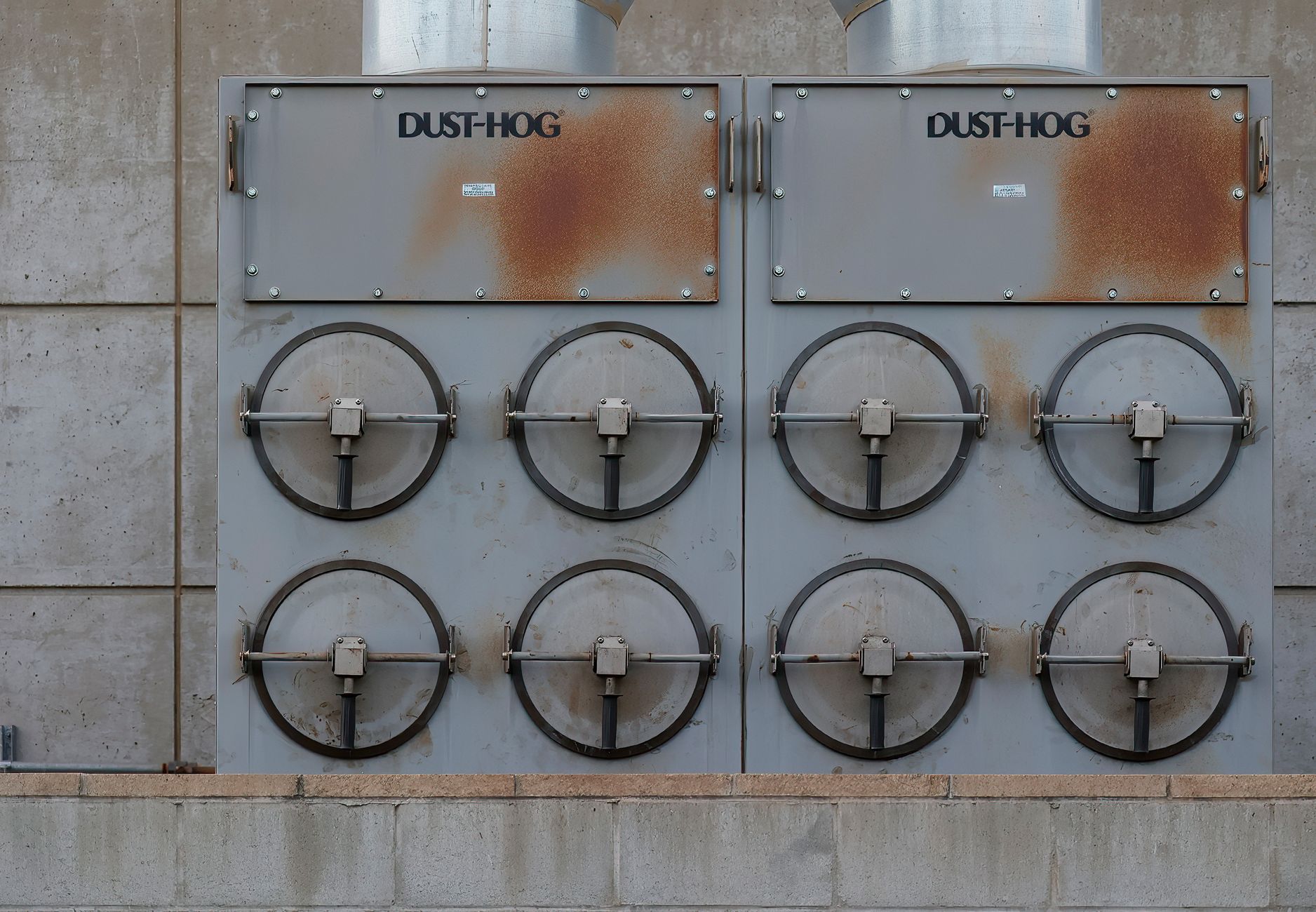
Commercial Pool Filtration: What You Need to Know
Commercial pool filtration is not just about keeping the water looking clear. The filtration system is the circulatory system of your pool. It removes particulate matter, supports chemical distribution, and works in tandem with sanitizers like chlorine to eliminate pathogens before they reach swimmers. When the filtration system underperforms, everything downstream suffers.
There are three primary filter types used in commercial pools across Jacksonville. Sand filters use a bed of silica sand to trap particles as water passes through. They're durable, relatively low maintenance, and handle high bather loads well. Cartridge filters use pleated polyester cartridges that capture finer particles but require more frequent cleaning. Diatomaceous earth (DE) filters provide the finest filtration of all three, capable of catching particles as small as 3 to 5 microns, but they require careful chemical handling and more precise maintenance procedures.
According to the Florida Department of Health, public and commercial pool operators are legally required to maintain filtration equipment in proper working order and to keep records of water quality readings. Failing an inspection due to filtration issues can result in mandatory pool closure, which carries serious financial and reputational consequences for any commercial property.
Jacksonville averages 233 sunny days per year, which means pools in this region are in active use 10 or more months annually. That extended use season compresses the maintenance timeline compared to pools in northern states that close for five or six months each year. A pool that might need annual filter media replacement in New England may need that same work done every 18 months in Jacksonville simply due to higher bather loads and continuous operation.
Understanding your specific filter type, its rated flow capacity, and how it interacts with your pool's turnover rate is the starting point for any effective maintenance plan. If you're not sure what type of system your commercial pool uses or whether it's sized correctly for your bather load, our Pool Services team can assess and advise.
The Complete Commercial Pool Filtration Maintenance Timeline
A maintenance timeline is only useful when it's specific. Here is a breakdown of what needs to happen at each interval for commercial pool filtration systems operating in Jacksonville's climate.
Daily Tasks
Every single day that your pool is operational, a staff member or contracted technician should visually inspect the filter system. Check the pressure gauge on your filter tank and log the reading. A rise of 8 to 10 PSI above your clean starting pressure is the standard signal that backwashing or cleaning is needed, but in high-bather-load commercial environments you should know your specific baseline.
Inspect the pump strainer basket and skimmer baskets. In Jacksonville, wind carries palm debris, oak pollen, and organic material into pools constantly. A clogged basket reduces flow to the filter and causes the pump to work harder than it should. Empty and rinse baskets daily without exception.
Listen to the pump. Unusual sounds like cavitation (a rattling or gurgling noise) often indicate an air leak on the suction side or a blocked strainer. Catching this daily prevents what starts as a $50 fix from becoming a $2,000 pump replacement.
Weekly Tasks
Once per week, check filter pressure trends against your daily log. If pressure is climbing faster than usual, investigate whether bather load has increased or whether the filter media is reaching the end of its service cycle.
For sand filters, backwash when pressure rises 8 to 10 PSI above baseline, which in a busy Jacksonville commercial pool may happen more than once per week during peak season. For cartridge filters, remove and rinse the cartridges weekly with a hose and cartridge cleaning wand. For DE filters, bump the filter to redistribute the DE cake and inspect for any signs of torn grids through the sight glass.
Check all valve positions. Multiport valves and push-pull valves can shift slightly over time with use and vibration. A valve even partially out of position compromises the filter's effectiveness. Also check the sight glass on your backwash line. Water should run clear within 2 to 3 minutes during a backwash cycle. If it doesn't clear, the sand bed may be channeled or the filter may be undersized for current demand.
Test and record water chemistry. While chemical balancing is technically separate from filtration, the two systems are deeply connected. High phosphate levels fuel algae growth that quickly overwhelms filters. Proper pH (7.4 to 7.6) ensures that chlorine works at maximum efficiency, reducing the particle load your filter has to handle. The Association of Pool and Spa Professionals (APSP) recommends commercial facilities conduct full water analysis at least twice weekly during peak season.
Monthly Tasks
Monthly maintenance goes deeper than daily and weekly checks. For sand filters, perform a complete filter inspection including checking the multiport valve for worn O-rings and gaskets. In Florida's heat, rubber seals degrade faster than they do in cooler climates. Replace any that show cracking or deformation.
For cartridge filters, soak the cartridges overnight in a commercial filter cleaning solution rather than just rinsing them. This removes oils, sunscreens, and bather-introduced contaminants that a simple rinse leaves behind. Jacksonville pools near the beach, like those in Ponte Vedra, deal with heavier sunscreen contamination than inland pools, making this step especially relevant.
For DE filters, perform a full disassembly and inspect every grid for tears or cracks. Even a small tear allows DE powder to bypass filtration and enter the pool, reducing filtration efficiency and creating a cloudy water appearance. Replace torn grids immediately and recharge the filter with fresh DE powder at the correct dose per your manufacturer's specifications.
Check pump motor amperage with a clamp meter. A motor drawing higher than rated amperage is working too hard and approaching failure. Catching this monthly prevents mid-summer pump failures during peak bather load periods.
Quarterly Tasks
Every three months, conduct a full mechanical room audit. Inspect all PVC fittings, unions, and pipe runs for stress cracks. Jacksonville's temperature swings between winter lows and summer highs cause repeated thermal expansion and contraction that fatigues PVC over time, especially at glued fittings near equipment pads.
Lubricate all O-rings with a silicone-based lubricant. Petroleum-based lubricants degrade rubber, so make sure your team uses only the correct product. Check the filter tank's pressure relief valve by manually lifting the ring and confirming it seats properly afterward. A stuck relief valve is a safety hazard and a code violation.
For sand filters, perform a sand inspection. You can test sand quality by taking a handful and examining it. Sand that has clumped, calcified, or formed a solid mass has lost its filtering effectiveness. Most commercial sand filter media needs full replacement every three to five years, but heavy use in Jacksonville's year-round environment can accelerate that to every two to three years.
Review your chemical usage logs and compare them to previous quarters. A sudden increase in chlorine demand without an increase in bather load is often a symptom of a filtration problem, either reduced turnover rate, channeling in the sand bed, or a compromised DE grid allowing water to bypass the filter media.
Annual Tasks
The annual service is the comprehensive reset for your entire filtration system. This should be scheduled during your lowest-use period, which for most Jacksonville commercial pools means January or February, and performed by a qualified pool service professional.
Annual tasks include full filter disassembly and internal inspection, replacement of all seals, O-rings, and gaskets in the valve assembly, pump motor bearing inspection, impeller cleaning, and a complete flow rate test to verify the system is achieving the required turnover rate for your pool volume. Florida code requires commercial pools to turn over their full water volume within six to eight hours depending on pool type.
Have your controller and automation system calibrated if your pool uses one. Chemical dosing controllers drift over time and an annual calibration ensures your chemical feed is accurate. This protects both swimmers and your filtration media, since over-chlorination accelerates degradation of DE grids, cartridge media, and pump seals.

Common Mistakes Jacksonville Homeowners and Facility Managers Make
Even experienced property managers fall into patterns that undermine their filtration system's performance. Here are the most common mistakes we see across Jacksonville commercial pools.
Mistake 1: Backwashing Too Late or Too Often
Many operators either wait until the pool looks cloudy to backwash (too late) or backwash on a fixed calendar schedule regardless of pressure readings (potentially too often or not often enough). Backwashing should always be triggered by pressure rise above baseline, not by a calendar date or visual appearance alone. Backwashing a filter that doesn't need it wastes water and strips a sand bed of a slight layer of fine particles that actually improve filtration efficiency.
Mistake 2: Ignoring the Pump Strainer Basket During Heavy Pollen Season
Jacksonville's spring oak pollen season is intense. From February through April, pollen coats pool surfaces and overwhelms skimmer baskets rapidly. During this period, daily basket checks often aren't enough. A clogged basket starves the pump of flow, causing it to cavitate and potentially overheat. During heavy pollen periods, check baskets twice daily.
Mistake 3: Using the Wrong Lubricant on O-Rings and Valves
This one is surprisingly common. Petroleum-based lubricants like Vaseline or regular grease swell and degrade rubber O-rings within weeks. Use only silicone-based pool lubricants. The cost difference between the two products is minimal. The cost difference between replacing a lubricated O-ring and replacing an entire valve body is not.
Mistake 4: Skipping the Annual Full Inspection to Save Money
Annual professional inspections for a commercial filtration system typically run a few hundred dollars, depending on system complexity. A pump motor failure mid-summer, a cracked filter tank, or a failed DE grid that shuts down your pool during peak season can cost thousands in repairs plus lost revenue, HOA fines, or health department closure orders. The math on skipping the annual inspection rarely works out in the operator's favor.
Mistake 5: Not Accounting for Bather Load Changes
A pool filtration system is sized for a specific bather load and turnover rate. When a community or facility grows, the filtration system that worked fine for 50 daily users may be genuinely undersized for 120. Many operators notice chemistry becoming harder to manage and assume it's a chemical problem, when the root cause is inadequate filtration capacity. If your pool usage has grown significantly, have a professional evaluate whether your current system is adequate.
DIY vs. Hiring a Professional in Jacksonville
Let's be direct about this. Some commercial pool filtration maintenance tasks are absolutely within the capability of a trained facilities staff member. Others genuinely require professional expertise and proper equipment.
Tasks suitable for trained in-house staff: Daily pressure checks and logging, skimmer and strainer basket cleaning, basic backwash cycles on sand filters, visual inspections of equipment room for leaks or unusual sounds, and weekly cartridge rinses. These are procedural tasks that can be taught and standardized with a written checklist.
Tasks that warrant professional service: Annual full disassembly and inspection, pump motor electrical testing, DE filter grid inspection and replacement, multiport valve rebuilds, flow rate verification testing, chemical controller calibration, and any repairs to plumbing or electrical components. These tasks require tools, technical knowledge, and in many cases, contractor licensing under Florida law.
Florida requires that persons performing certain types of pool service work hold appropriate state licensing through the Florida Building Commission. Electrical work on pool equipment, in particular, carries strict licensing requirements that protect both the technician and the property owner from liability.
The honest answer is that a hybrid approach works best for most Jacksonville commercial facilities. In-house staff handles daily and weekly procedures with a documented checklist. A professional service company like WSJ Remodeling, Handyman & Pool Services, with a 5.0-star Google rating across 135 verified reviews and thousands of completed jobs in Jacksonville, handles the monthly deep cleans, quarterly audits, and annual overhauls. This division of labor keeps costs manageable while ensuring the high-stakes work is done correctly.
If you're serving properties across the greater Jacksonville area including communities in Fleming Island or anywhere across our full service area, we can build a recurring service schedule that fits your facility's specific needs and budget.
What to Expect: Cost Breakdown for Jacksonville
Commercial pool filtration maintenance costs vary based on system type, pool volume, bather load, and current condition of the equipment. Here are realistic ranges for Jacksonville-area commercial properties.
Monthly service contract (professional): $200 to $600 per month for a mid-sized commercial facility, covering filter servicing, chemical balancing, equipment checks, and written logs. Larger facilities with DE systems or multiple pools sit at the higher end of this range.
Quarterly deep inspection: $150 to $400 per visit depending on system complexity. This typically includes valve inspection, O-ring service, flow rate check, and a written condition report.
Annual full filtration overhaul: $400 to $1,200 depending on filter type and the scope of work required. DE systems with multiple grids or sand filters requiring full media replacement tend to be at the higher end.
Sand filter media replacement: $300 to $700 for a commercial-grade filter, including labor and disposal of old sand. This is typically needed every two to four years in Jacksonville's high-use environment.
DE filter grid replacement (full set): $400 to $900 including labor, depending on the number of grids and filter size.
Cartridge replacement set (commercial): $150 to $500 depending on cartridge size and quantity, typically needed every one to two years for a busy commercial pool.
Frame these costs as what they are: investments in equipment longevity, regulatory compliance, and the safety of the people who use your pool. A commercial pump that's properly maintained can last 10 to 15 years. One that runs hot due to a perpetually clogged strainer basket may fail in three to five years. The cost of a replacement commercial pump, $1,500 to $4,000 installed, makes routine service look like an excellent value.
The Energy Star program also notes that properly maintained pool pumps and filtration systems run more efficiently, reducing electricity consumption. Given Jacksonville Electric Authority (JEA) utility rates, even a modest reduction in pump runtime through proper maintenance and clean filter media can produce meaningful annual savings.

Pro Tips from Our Jacksonville Team
After thousands of completed pool service jobs across Jacksonville and surrounding communities, our team has learned what separates facilities that stay ahead of maintenance from those that constantly react to problems. Here are our most practical insider tips.
1. Keep a pressure log, not just a pressure check. Reading the pressure gauge is not the same as logging it. A single reading tells you where you are. A log over weeks and months tells you the trend. Pressure that's climbing slightly faster each month may indicate sand channeling or early filter media breakdown. Trend data is far more valuable than spot readings.
2. Plan your major maintenance around Jacksonville's seasonal calendar. Schedule annual overhauls and DE grid replacements in January or February when pool usage is lowest. Scheduling this work in July, when your facility is at peak capacity, means either shutting down during the busiest revenue period or delaying critical maintenance. Book early because qualified pool service professionals in Jacksonville fill up fast as spring approaches.
3. Hurricane prep is part of your filtration maintenance plan. Before a hurricane or tropical storm, shut down pool circulation equipment, lower the water level slightly per Florida recommendations, and remove and store any equipment that's not permanently mounted. After the storm, run your filtration system continuously until the water clears, replacing DE or cleaning cartridges as often as needed. Storm debris, runoff, and pH disruption from heavy rain create an enormous load on your filtration system.
4. Watch your phosphate levels, especially in spring. Oak pollen and organic debris dropping into Jacksonville pools every spring drives phosphate levels up rapidly. High phosphates feed algae, which in turn clogs filters and demands more chlorine. A monthly phosphate remover treatment during February through May dramatically reduces the burden on your filtration system during the highest-debris months.
5. Don't run your filter on a timer that doesn't match actual turnover needs. Some facility managers reduce electricity costs by limiting filtration run time. Florida code requires a minimum number of turnovers per day, and cutting runtime below that threshold creates both a compliance risk and a water quality problem. If energy costs are a concern, the right solution is a variable-speed pump that runs more efficiently, not a shorter runtime. The EPA recognizes variable-speed pool pumps as a significant energy efficiency measure that pays for itself over time.
6. Build a relationship with a local service team before you have an emergency. The worst time to find a qualified commercial pool service technician in Jacksonville is on a Saturday in July when your pump has failed and the pool is open. Facilities that have an established relationship with a trusted local team get prioritized. Our team at WSJ Remodeling, Handyman & Pool Services handles exactly this kind of urgent situation for clients we already know, across communities from Ponte Vedra Beach to Mandarin to Nocatee.
Frequently Asked Questions
How often should a commercial pool filter be backwashed in Jacksonville?
Backwashing frequency should be determined by pressure gauge readings, not a fixed calendar schedule. For most commercial sand filters in Jacksonville, this means backwashing when the filter pressure rises 8 to 10 PSI above the clean baseline. During peak season from May through September, when bather loads are highest and organic debris is constant, this may happen every two to three days. During lower-use periods in winter, the interval may extend to once a week or less. Always log pressure readings so you can identify trends and adjust your schedule accordingly.
What is the typical lifespan of commercial pool filter media in Florida?
Sand filter media in a commercial pool operating year-round in Jacksonville typically needs replacement every two to four years, compared to three to five years in cooler climates with shorter seasons. DE filter grids generally last three to seven years depending on chemical conditions and how carefully they're handled during cleaning. Cartridge filters used in commercial applications usually need replacement every one to two years because the continuous bather load in Florida's year-round season degrades the pleated media faster than it would in a seasonal pool environment. Annual inspections help identify when media is approaching the end of its effective life before it causes water quality problems.
Are there specific Florida regulations for commercial pool filtration maintenance?
Yes. Florida's public pool regulations are administered through the Florida Department of Health and require commercial pool operators to maintain filtration systems capable of achieving a complete water turnover within six hours for pools and eight hours for spas. Operators are required to maintain water quality logs and make them available to health inspectors. Certain maintenance and repair work on pool equipment requires a licensed contractor under Florida law. The Florida Department of Health publishes the full public pool rule under Chapter 64E-9, Florida Administrative Code, which is worth reviewing if you manage a commercial facility.
How much does a full commercial pool filtration service cost in Jacksonville?
Monthly professional service contracts for Jacksonville commercial pools typically range from $200 to $600 per month depending on pool size, filter type, and the scope of services included. Quarterly deep inspections run $150 to $400 per visit, while an annual full overhaul including valve service, seal replacement, and media inspection ranges from $400 to $1,200. Emergency repairs, like pump motor replacement or a failed multiport valve, carry separate costs that vary widely based on the specific equipment and parts required. The best way to control costs is to stay on a preventive maintenance schedule that catches issues before they become emergencies.
What are the warning signs that a commercial pool filtration system needs immediate attention?
Several warning signs indicate that a filtration problem needs urgent professional attention. Cloudy or hazy water that doesn't clear with chemical adjustment often means the filter is not functioning effectively. Pressure that climbs rapidly within hours of a backwash suggests channeling in a sand bed or a torn DE grid. Unusual noises from the pump including rattling, grinding, or high-pitched whining indicate mechanical problems inside the motor or pump housing. Water returning to the pool through the return jets with visible debris or white powder means the filter media is bypassing the filtration element entirely. Any of these symptoms warrants a professional inspection same day.
How do I choose a reliable commercial pool service contractor in Jacksonville?
Look for a contractor who is properly licensed under Florida law for pool service work, carries general liability and workers' compensation insurance, and can provide references from commercial clients specifically, not just residential pool owners. Ask whether they provide written service reports after every visit and whether they can document compliance with Florida's commercial pool regulations. Check their Google reviews and look for patterns in how they handle problems, not just praise for routine service. Experience with the specific filter type in your pool, whether sand, cartridge, or DE, is also worth asking about directly. A contractor who knows Jacksonville's local conditions, seasonal pest cycles, hurricane protocols, and utility considerations will serve you far better than a generic national service chain.
Can I reduce my commercial pool filtration costs without sacrificing water quality?
Yes, with the right approach. Upgrading to a variable-speed pump is one of the highest-impact changes you can make, as these pumps can reduce electricity consumption by 50 to 70 percent compared to single-speed models while actually improving filtration by running at lower flow rates for longer periods. Keeping up with preventive maintenance consistently costs less over time than reacting to failures. Training in-house staff to handle daily and weekly tasks correctly, using a documented checklist, reduces the frequency of professional service visits without sacrificing quality. Phosphate control in spring reduces the algae burden on your filter, lowering chemical costs and reducing backwash frequency, which conserves water and reduces your water bill.
What happens to commercial pool filtration systems during hurricane season in Jacksonville?
Hurricane season runs June through November and overlaps almost exactly with Jacksonville's peak pool season. Before a named storm, pool operators should turn off and secure all electrical equipment at the breaker, remove any loose accessories, and lower the pool water level slightly to accommodate expected rainfall, while being careful not to empty the pool as an empty shell can pop out of saturated ground. After the storm passes, run the filtration system continuously while cleaning debris and monitoring water chemistry, expecting to clean or replace filter media sooner than usual due to the heavy organic load introduced by storm debris and runoff. Document any storm-related damage with photographs for insurance purposes before making repairs.
Ready to Get Started?
Keeping a commercial pool's filtration system running properly in Jacksonville's demanding climate isn't something you should have to figure out alone. A clear maintenance timeline, a trained local team, and a consistent service schedule make the difference between a pool that enhances your property and one that becomes a constant source of stress and expense.
WSJ Remodeling, Handyman & Pool Services is a 5.0-star rated home services company in Jacksonville, FL with 135 verified Google reviews and thousands of completed jobs across the area. We serve commercial and residential pool clients throughout Jacksonville, Ponte Vedra Beach, Mandarin, Nocatee, St. Johns, Fleming Island, and surrounding communities.
Our pool services team understands exactly what Florida's year-round pool season demands from commercial filtration equipment, and we build service plans around your facility's specific needs, schedule, and budget. Whether you need a one-time annual overhaul or a recurring monthly maintenance contract, we're ready to help.
Call us at (904) 747-8788 or (904) 747-9636 to speak with our team directly. You can also Request a Free Estimate online and we'll follow up promptly.
WSJ Remodeling, Handyman & Pool Services is located at 7643 Gate Parkway, Suite 104-1230, Jacksonville, FL 32256. We're your local commercial pool filtration experts, and we'd be glad to earn your trust the same way we've earned five stars from over 135 Jacksonville-area clients.