
Quick Answer: Fiberglass pool resurfacing in Ponte Vedra Beach, FL typically costs between $3,500 and $10,000 depending on pool size, surface condition, and whether you need spot repairs or a full resurfacing. In most cases, resurfacing is far more cost-effective than replacing the entire shell, which can run $20,000 to $45,000 or more. If your pool surface shows fading, crazing, or minor cracks but the shell structure is sound, resurfacing is almost always the right call.
Key Takeaways
- Most Ponte Vedra Beach fiberglass pools need resurfacing every 15 to 25 years, depending on water chemistry management and Florida sun exposure.
- Repair vs. replace decisions hinge on shell integrity: surface problems are fixable, structural failures usually are not.
- Full fiberglass pool resurfacing in the Jacksonville area ranges from $3,500 to $10,000 for most residential pools.
- Jacksonville averages 233 sunny days per year, meaning pools are in active use 10 or more months annually, which accelerates surface wear compared to northern climates.
- Choosing a licensed, insured local contractor with verified reviews is the single most important decision you will make in this process.
If you own a home in Ponte Vedra Beach or anywhere along the First Coast, your pool is not a seasonal luxury. It is a year-round centerpiece of your property and a genuine driver of home value. When the surface starts looking rough, chalky, or stained, it is easy to feel anxious about what comes next and what it will cost.
This guide is built to give you a clear-eyed, honest breakdown of fiberglass pool resurfacing costs in the Ponte Vedra Beach area, the difference between surface repairs and full resurfacing, and the key signs that tell you whether your pool needs a refresh or a replacement. We will also share what local contractors see most often in Northeast Florida pools, so you can make a confident, informed decision.
Whether you are in Ponte Vedra Beach, Nocatee, Mandarin, or St. Johns, the information below applies directly to your climate, your pool season, and your budget. Let us get into it.

Fiberglass Pool Surfaces: What Every Homeowner Should Understand
Fiberglass pools are built with a gelcoat surface layer, which is the smooth, colored finish you swim against and see every day. This layer is bonded to a fiberglass shell underneath. The gelcoat is durable and non-porous, which is one of the big advantages of fiberglass over plaster or vinyl, but it is not indestructible.
Over time, UV radiation, pool chemicals, ground movement, and temperature swings wear down the gelcoat. In Florida, that process happens faster than in most of the country. Ponte Vedra Beach sits in a climate zone where humidity runs high, temperatures rarely dip below freezing, and the sun beats down with intensity for most of the year. The Florida Department of Health notes that Florida's UV index regularly reaches 10 or higher from March through October, which is considered extreme and directly affects outdoor surfaces like pool gelcoat.
When people talk about fiberglass pool resurfacing, they are generally referring to one of two things. The first is spot repair, where individual cracks, blisters, or osmotic damage areas are patched and refinished. The second is a full resurfacing, where the entire pool interior is stripped or abraded, prepared, and recoated with a new gelcoat or alternative finish like Hydrazzo or Diamond Brite. Both have their place, and knowing which one you need starts with an honest assessment of your pool's current condition.
According to the Association of Pool and Spa Professionals (APSP), fiberglass pool surfaces typically last 15 to 25 years before a full resurfacing is warranted, though that range shrinks significantly when water chemistry is neglected or when the pool sits in a high-UV coastal environment like Northeast Florida.
Repair vs. Replace: How to Know Which One Your Pool Needs
This is the question most homeowners struggle with, and it is the most important one to answer before you spend a dollar. The good news is that the decision usually comes down to one factor: the structural integrity of the fiberglass shell itself.
Signs that resurfacing (not replacement) is the right answer:
- Fading or discoloration that does not respond to cleaning or acid washing
- Surface roughness or a chalky texture when you run your hand along the walls
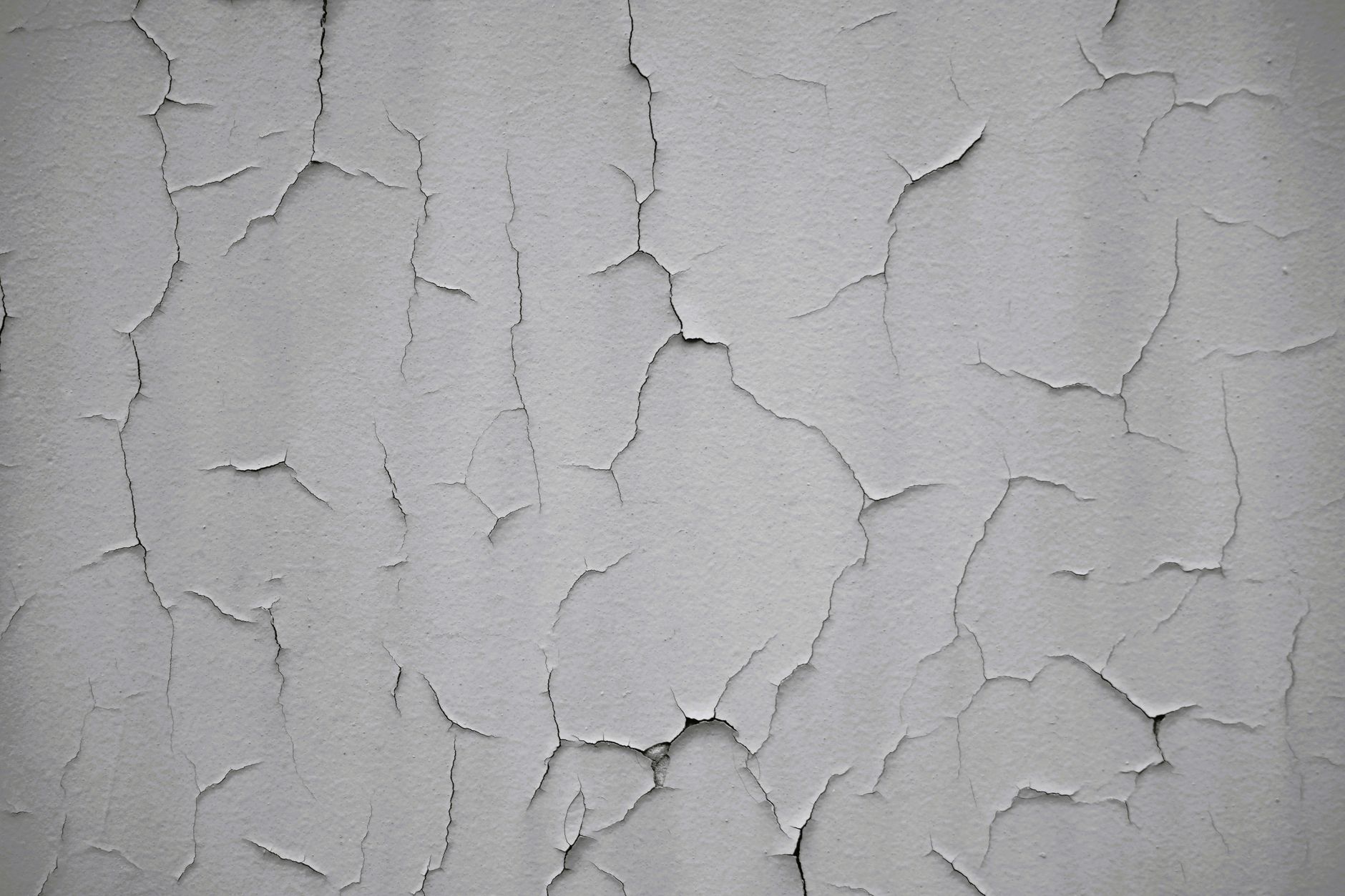
- Crazing, which looks like a fine spider web of surface cracks in the gelcoat layer
- Isolated osmotic blisters (bubbles under the surface) that are limited in number and area
- Staining from iron, manganese, or tannins that has penetrated the surface layer
- A pool that feels abrasive on swimmers' feet and swimwear
All of those problems exist at the surface level. They are cosmetic and functional issues with the gelcoat, not with the fiberglass structure beneath it. Resurfacing fixes them completely.
Signs that structural damage may require shell replacement or major repair:
- Large, deep cracks that go through the gelcoat into the fiberglass laminate layers
- Significant delamination where sections of the pool wall feel soft, hollow, or flex under pressure
- Widespread osmotic blistering covering more than 20 to 30 percent of the surface area
- Visible ground movement or settling that has warped the pool shell's shape
- Persistent water loss that cannot be traced to plumbing and suggests shell porosity
Structural shell damage is far less common than surface wear. If a qualified contractor examines your pool and tells you the shell itself is compromised beyond repair, get a second opinion before agreeing to a full replacement. In many cases, fiberglass shells can be repaired structurally with layered fiberglass mat and resin before resurfacing, which saves tens of thousands of dollars compared to digging out and replacing the entire pool.
For homeowners in Nocatee and St. Johns County in particular, it is worth knowing that the sandy, shifting soil common in that part of Northeast Florida can occasionally cause minor ground movement under pools. This is worth mentioning during your contractor assessment so they can check the shell from all angles. You can review our full service areas to see where our team operates across the Jacksonville region.
Common Mistakes Jacksonville Homeowners Make
After working with pool owners across Ponte Vedra Beach, Mandarin, Fleming Island, and the rest of the Jacksonville area, we see the same missteps come up repeatedly. Avoiding these can save you thousands of dollars and a lot of headaches.
1. Waiting Too Long to Address Surface Problems
Surface crazing or early blistering that costs $1,500 to fix today can turn into a $6,000 to $8,000 full resurfacing job if left alone for two or three more seasons. Florida's UV exposure and pool chemistry accelerate the degradation of compromised gelcoat. When you notice roughness, fading, or new surface cracks, get a professional assessment right away rather than putting it off until next spring.
2. Choosing a Contractor Based Solely on Price
A resurfacing quote that comes in significantly below the others is almost always a warning sign. Low bids often mean shortcuts in surface preparation, inferior materials, or a contractor without the proper Florida licensing and insurance. Pool resurfacing is highly technique-dependent: the preparation phase (cleaning, etching, and properly abrading the surface) determines whether the new coating bonds and lasts. A failed resurfacing job means paying full price again in two to three years.
3. Neglecting Water Chemistry After Resurfacing
Many homeowners invest in a beautiful resurfacing and then go back to inconsistent water chemistry management. High or low pH, excessive chlorine, and mineral imbalances will attack a new gelcoat or alternative finish just as aggressively as they attacked the old one. The EPA's Safer Choice program offers guidance on pool chemical use that balances effectiveness with surface protection. After a resurfacing, establish a consistent testing and treatment schedule from day one.
4. Filling the Pool Too Quickly After Resurfacing
New gelcoat and alternative finishes need time to cure before water is introduced. Rushing this process, especially in Florida's heat, can cause the finish to blister, discolor, or bond improperly. A reputable contractor will give you specific fill and cure instructions based on the material used and current weather conditions. Follow them exactly, even if it means waiting a few extra days.
5. Skipping the Permit Process
Some resurfacing work in Duval and St. Johns counties may require permits depending on the scope of work. Homeowners who hire unlicensed contractors to avoid the permit process can face complications when selling their homes or making future insurance claims. The Florida Building Commission sets the standards for what work requires permitting, and a licensed local contractor will know exactly what applies to your job.
DIY vs. Hiring a Professional in Jacksonville
Let us be honest about this: fiberglass pool resurfacing is not a practical DIY project for the vast majority of homeowners. That does not mean there is nothing you can do yourself, so here is a realistic breakdown.
What homeowners can reasonably do themselves:
- Small gelcoat repair kits are available for hairline cracks and minor chips. These are sold at pool supply stores and can work well for isolated cosmetic fixes on a sound surface.
- Acid washing (with proper safety equipment and knowledge) can sometimes restore a faded surface and remove surface staining before committing to a full resurfacing.
- Ongoing water chemistry maintenance is absolutely a homeowner task and directly affects how long any resurfacing investment lasts.
Where professional help is necessary:
- Any resurfacing that involves abrading or stripping the existing gelcoat requires professional equipment and technique. Improper prep is the leading cause of premature resurfacing failure.
- Osmotic blister repair requires grinding out the affected areas, allowing the shell to dry completely (which can take weeks in Florida's humidity), treating the fiberglass substrate, and applying new material in layers. This is specialized work.
- Structural crack repairs that involve the fiberglass laminate layers are not DIY territory under any circumstances.
- If you are switching from standard gelcoat to an alternative finish like quartz, epoxy, or Hydrazzo, those materials have specific application requirements that demand professional training.
The WSJ Remodeling, Handyman and Pool Services team has completed thousands of jobs across the Jacksonville area, and our 5.0-star Google rating across 135 verified reviews reflects the consistency of that work. For anything beyond small spot repairs, the cost of a professional job is almost always justified by the longevity and quality of the result. If you are weighing options, our financing options can make a professional resurfacing more accessible than you might expect.
What to Expect: Cost Breakdown for Jacksonville
Pricing for fiberglass pool resurfacing in the Ponte Vedra Beach and greater Jacksonville area depends on several variables. Here is a realistic framework for what you should expect to pay, framed as an investment in your home rather than just an expense.
Spot Repairs (isolated cracks, blisters, or chips): $300 to $1,500 depending on the number of repair areas and their severity. Spot repairs make sense when the overall surface is in good condition and problems are limited to specific zones.
Acid Wash and Restoration: $350 to $900 for most residential pools. This is a deep cleaning and surface restoration process that can extend the life of a surface that is faded or stained but structurally sound.
Full Fiberglass Resurfacing (gelcoat reapplication): $3,500 to $7,500 for pools up to 600 square feet of surface area. Larger pools, irregular shapes, or pools with significant prep work needed will push costs toward the upper end.
Premium Alternative Finishes (Hydrazzo, Diamond Brite, Pebble): $6,000 to $10,000 or more for full resurfacing with upgraded materials. These finishes are more durable and often come with longer manufacturer warranties, which is worth considering in Florida's demanding climate.
Full Pool Shell Replacement: $20,000 to $45,000 or more, including excavation, new shell installation, plumbing reconnection, and decking restoration. This is only warranted in cases of genuine structural failure.
To put those numbers in perspective: a well-maintained fiberglass pool adds meaningful value to a Ponte Vedra Beach or Nocatee home. According to the National Association of Home Builders, a pool in good condition can add 5 to 8 percent to a home's resale value in markets where pools are expected by buyers, and Northeast Florida's affluent coastal communities absolutely fall into that category. A $5,000 resurfacing investment protecting a feature that adds $25,000 to $40,000 in home value is an easy equation.
Homeowners in Fleming Island and Ponte Vedra Beach should also factor in that a deteriorating pool surface drives up chemical costs, since a rough or porous surface is harder to keep balanced and harbors algae more readily than a smooth, properly sealed finish.
Pro Tips from Our Jacksonville Team
Our crew at WSJ Remodeling, Handyman and Pool Services works in Ponte Vedra Beach, Mandarin, Nocatee, St. Johns, and across the greater Jacksonville area year-round. Here is what we consistently tell our customers based on what we see in the field.
Tip 1: Time your resurfacing for late fall or early winter. In Northeast Florida, October through January is the sweet spot for pool resurfacing. Humidity is lower, temperatures are mild, and your pool is coming off its heaviest use season. Curing conditions are better, and most contractors have more availability than in the busy spring and summer months. You also get the full spring and summer season ahead of you to enjoy the finished product.
Tip 2: Test your water chemistry before and after resurfacing, not just after. Understanding your water's baseline pH, calcium hardness, and total dissolved solids before resurfacing helps your contractor recommend the right finish material. Very soft water, for example, can be aggressive against certain finishes. A good contractor will ask about your water source and history before recommending a product.
Tip 3: Ask specifically about osmotic blister treatment, not just removal. Anyone can grind out a blister. What matters is what happens next. The affected area needs to dry completely and be treated before new material is applied. In coastal Northeast Florida, where ambient humidity is high even in winter, proper drying time is critical. Ask your contractor how they handle this step and how long they allow for it.
Tip 4: Get the warranty in writing and understand what voids it. Reputable fiberglass resurfacing contractors offer warranties on their work, typically ranging from three to ten years depending on materials used. Read the fine print. Most warranties are voided by water chemistry neglect, improper filling procedures, or failure to maintain the pool during the warranty period. Know what you are committing to on your end.
Tip 5: Do not ignore your pool equipment when resurfacing. Resurfacing is a natural time to evaluate your pump, filter, and circulation system. A freshly resurfaced pool deserves a properly functioning circulation system to protect the new finish. If your equipment is aging, bundling equipment upgrades with a resurfacing can sometimes reduce overall labor costs. The Energy Star program certifies variable-speed pool pumps that can cut pool energy costs by 50 to 70 percent compared to single-speed models, a meaningful savings given how long the Florida pool season runs.
Tip 6: Verify your contractor's Florida license before signing anything. Pool and spa contractors in Florida must hold a specific state contractor's license. You can verify any contractor's license status through the Florida Department of Business and Professional Regulation. Unlicensed work may cost less upfront but creates liability exposure for the homeowner and has no warranty backing. With a 5.0-star rating built on 135 verified Google reviews, our team's credentials and track record are transparent and verifiable.
Frequently Asked Questions
How much does fiberglass pool resurfacing cost in Ponte Vedra Beach, FL?
For most residential fiberglass pools in the Ponte Vedra Beach and greater Jacksonville area, full resurfacing costs range from $3,500 to $10,000. The wide range reflects differences in pool size, the severity of surface preparation required, and the finish material chosen. Smaller pools with minimal prep work fall at the lower end, while larger pools or those requiring significant osmotic blister remediation will land toward the higher end. Premium alternative finishes like Hydrazzo or quartz aggregate can push costs above $8,000 but offer improved durability and longer warranties. Getting two or three detailed written quotes is the best way to benchmark pricing for your specific pool.
How do I know if my fiberglass pool needs resurfacing or full replacement?
The key distinction is whether the problem is in the surface layer (gelcoat) or in the structural fiberglass shell beneath it. Surface issues like fading, crazing, roughness, surface staining, and minor blistering are all addressed by resurfacing without touching the shell. Structural issues like widespread delamination, large through-cracks in the laminate layers, or a shell that has shifted or warped may require more significant intervention, though full replacement is rarely the only option even then. A qualified local contractor should perform an in-person assessment, including a pressure test for leaks, before recommending replacement. If replacement is suggested, always get a second opinion.
How long does fiberglass pool resurfacing take in Jacksonville?
Most residential fiberglass pool resurfacing jobs in the Jacksonville area take three to seven days from start to finish, including preparation, application, and cure time before the pool is refilled. Pools with significant blister remediation may take longer because affected areas must fully dry before new material is applied, which in Florida's humidity can add several days to the timeline. After refilling, there is typically a startup period of one to two weeks during which water chemistry must be carefully balanced and the pool should not be used aggressively. Your contractor should give you a detailed timeline and cure protocol specific to the materials they are using.
What is the best time of year to resurface a pool in Northeast Florida?
Late fall and early winter, roughly October through January, offer the best conditions for fiberglass pool resurfacing in the Jacksonville area. Temperatures are milder, humidity drops somewhat from summer peaks, and cure conditions for gelcoat and alternative finishes are more consistent. Scheduling resurfacing during this window also means your pool is ready for the spring season when you will want it most. Many contractors are more available during this period, which can also translate into better scheduling flexibility and sometimes better pricing. Spring resurfacing is also feasible, but summer work in Florida's intense heat and humidity adds variables that experienced contractors must manage carefully.
How long will a fiberglass pool resurfacing last in Florida's climate?
A professionally applied fiberglass pool resurfacing in the Jacksonville area should last 15 to 25 years with proper water chemistry maintenance, though Florida's UV intensity and long pool season mean that without consistent care, surfaces can degrade in as few as 10 to 12 years. The choice of finish material matters: standard gelcoat typically carries a 10-year warranty from top contractors, while premium quartz or Hydrazzo finishes may warranty for 15 years or more. Maintaining proper pH (7.4 to 7.6), alkalinity (80 to 120 ppm), and calcium hardness (200 to 400 ppm) is the single most controllable factor in how long your resurfacing investment lasts.
Can I just patch specific areas of my fiberglass pool instead of resurfacing the whole thing?
Yes, spot repairs are a legitimate and cost-effective option when damage is limited to isolated areas and the overall surface is otherwise in good condition. A professional gelcoat repair kit or contractor-applied patch can address individual cracks, chips, or a small cluster of blisters without resurfacing the entire pool. The limitation is aesthetic: a patched area will often not match the surrounding color perfectly, especially on older pools where the original gelcoat has faded. If you have more than a handful of isolated problem areas, or if the surface roughness is widespread, a full resurfacing gives you a uniform result that will hold up longer than multiple spot repairs applied over time.
What warning signs tell me my fiberglass pool needs immediate attention?
Several signs indicate you should call a pool professional right away rather than waiting for your next scheduled maintenance. Unexplained water loss beyond normal evaporation suggests a possible leak in the shell or plumbing. Large sections of the pool surface feeling soft, spongy, or hollow when pressed point to delamination that can worsen quickly. Deep structural cracks that you can feel or see below the gelcoat layer need professional evaluation immediately. Widespread osmotic blistering affecting large portions of the walls or floor is also an urgent situation, since water trapped under the surface can progressively damage the fiberglass laminate if not addressed. Any of these signs warrant a professional inspection before the next swim season.
How do I choose a fiberglass pool resurfacing contractor in the Jacksonville area?
Start by verifying that any contractor you consider holds a valid Florida pool and spa contractor license, which you can check through the Florida Department of Business and Professional Regulation. Ask for proof of general liability insurance and workers' compensation coverage before any work begins. Look for contractors with documented local experience, including verifiable reviews from homeowners in your area, not just a general online presence. Ask specifically about the surface preparation process, the materials they plan to use, and the warranty terms in writing. Finally, be cautious of any bid that comes in dramatically lower than others: price outliers in pool resurfacing almost always reflect compromises in materials, preparation quality, or contractor qualifications that will cost you more in the long run.
Will resurfacing my pool affect my home's value in Ponte Vedra Beach?
A pool in excellent surface condition is a genuine asset in Ponte Vedra Beach, Nocatee, and St. Johns County real estate, where pools are expected by buyers in the $500,000-and-above price range that dominates those markets. A pool with a rough, faded, or visibly deteriorating surface can actually hurt your sale by triggering buyer concerns about deferred maintenance and repair costs. Resurfacing before listing your home, or maintaining a recently resurfaced pool in good condition, presents the pool as a turnkey feature rather than a negotiating liability. The National Association of Home Builders has noted that pools in pool-expectant markets can contribute 5 to 8 percent to resale value, making a $5,000 to $7,000 resurfacing investment very easy to justify financially.
Ready to Get Started?
If your fiberglass pool is showing signs of wear, you do not have to figure out the next step alone. WSJ Remodeling, Handyman and Pool Services is a locally trusted, 5.0-star rated home services company with 135 verified Google reviews and thousands of completed jobs across the Jacksonville area. We provide honest assessments, professional work, and clear pricing with no surprises.
We proudly serve homeowners in Jacksonville, Ponte Vedra Beach, Mandarin, Nocatee, St. Johns, and surrounding communities. Our team is ready to evaluate your pool's surface, walk you through your options, and give you a straightforward recommendation whether that is a spot repair, a full resurfacing, or something in between.
Call us today at (904) 747-8788 or (904) 747-9636, or Request a Free Estimate online. We make it easy to get your pool looking and performing like new again before the next swim season arrives.
WSJ Remodeling, Handyman and Pool Services. 7643 Gate Parkway, Suite 104-1230, Jacksonville, FL 32256. Phone: (904) 747-8788 or (904) 747-9636. Serving Jacksonville, Ponte Vedra Beach, Mandarin, Nocatee, St. Johns, Fleming Island, and surrounding Northeast Florida communities.