
Quick Answer: For most St. Johns and greater Jacksonville area homes, luxury vinyl plank (LVP) outperforms traditional hardwood in Florida's high-humidity climate, offering superior moisture resistance, lower maintenance, and strong return on investment. Hardwood remains a premium choice for specific rooms and homeowners who prioritize natural aesthetics and long-term resale value, but only when installed and maintained properly for Florida conditions.
Key Takeaways
- Jacksonville's average humidity hovers around 75%, making moisture management the single most important factor in any flooring decision.
- Luxury vinyl plank typically costs $6 to $14 per square foot installed in the Jacksonville area, while hardwood runs $10 to $22 or more per square foot installed.
- Hardwood can warp, cup, and gap in Florida humidity without proper acclimation, subfloor prep, and HVAC control.
- LVP technology has advanced dramatically, with premium products that are difficult to distinguish from real wood at a glance.
- The right choice depends on your specific room, lifestyle, budget, and long-term plans for your home.
If you have spent any time shopping for flooring in St. Johns County, you already know the options are overwhelming. Walk into any showroom and you will find rows of gorgeous hardwood samples next to equally impressive luxury vinyl planks, each with a convincing sales pitch. The problem is that most flooring advice you encounter is written for homeowners in Ohio or Colorado, not for families living in a coastal Florida climate where humidity, rain, and pool traffic are part of daily life.
This guide was built specifically for St. Johns, Nocatee, Fleming Island, Mandarin, and Ponte Vedra homeowners. We are going to break down both flooring options honestly, cover what Florida's climate actually does to each material, and give you the information you need to make a decision you will be happy with five years from now, not just the day the installers pack up and leave.
Whether you are building a new home in Nocatee, renovating a resale in St. Johns, or upgrading a family room that sees daily pool traffic, this is the guide worth bookmarking.
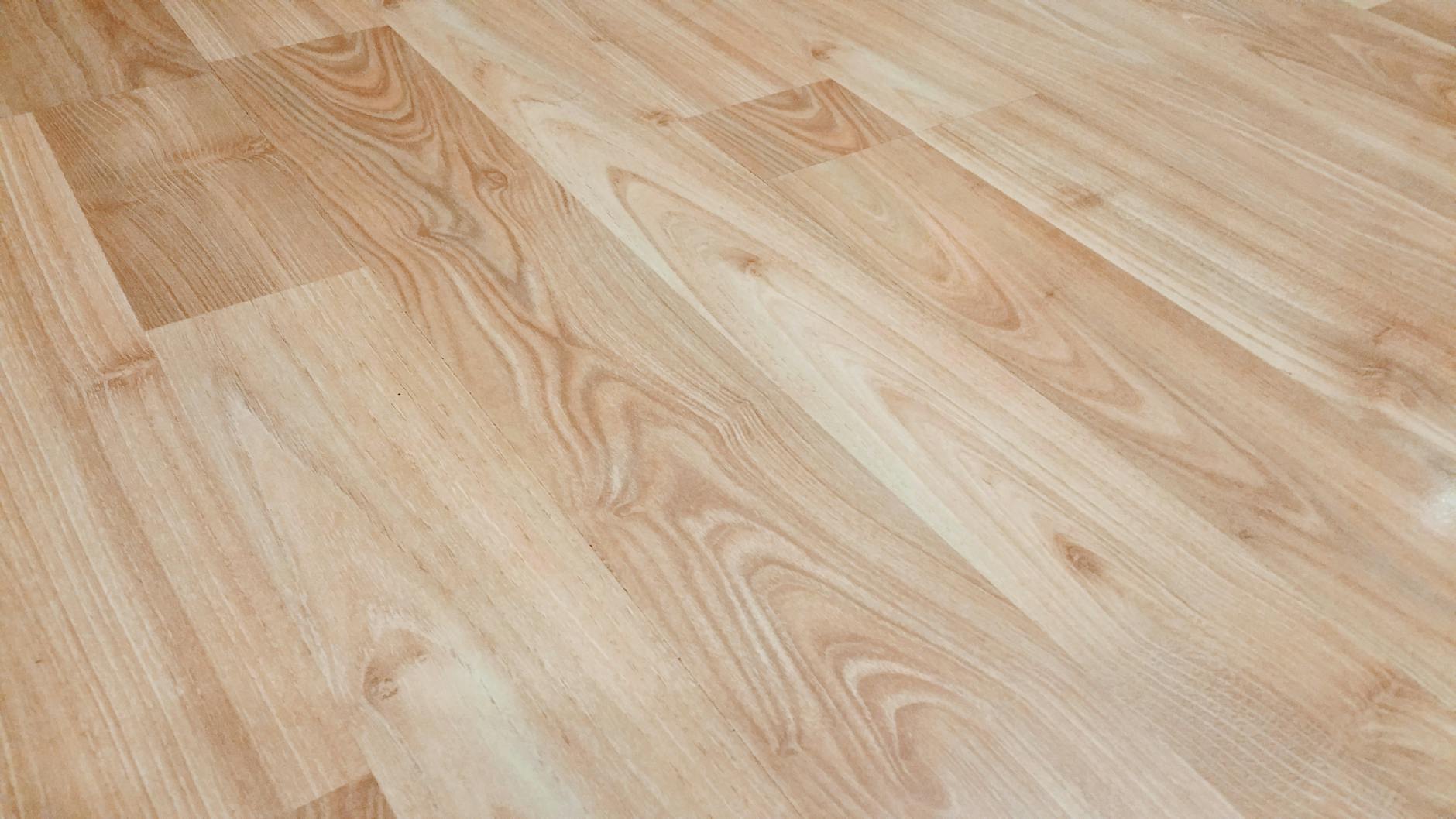
What You Need to Know About Flooring in a Florida Climate
Jacksonville averages about 233 sunny days per year and sits at roughly sea level along a river system, which means the air is consistently humid. The Florida Department of Health recognizes indoor humidity management as a key factor in home health, particularly for preventing mold and mildew growth. For flooring, that humidity is not just a comfort issue, it is a structural one.
Wood expands and contracts with changes in moisture content. This is simple physics, and it is why hardwood floors that perform flawlessly in a dry climate can buckle, cup, or develop visible gaps in a Florida home. The technical term is wood movement, and it happens seasonally, even in air-conditioned homes, because exterior humidity seeps in through doors, windows, transitions, and subfloors.
Luxury vinyl plank, by contrast, is a synthetic product that does not absorb moisture. It expands and contracts with temperature rather than humidity, and while it still requires proper installation with expansion gaps, it is fundamentally more stable in Florida conditions. Understanding this core difference is the foundation of every smart flooring decision you will make.
Here is another local factor worth knowing: St. Johns County is one of the fastest-growing counties in Florida. New construction is everywhere, which means many homes are still settling, subfloors are sometimes less than perfectly flat, and HVAC systems are being sized for new builds that may not account for the full moisture load a family introduces. Both flooring types are sensitive to subfloor conditions, but LVP is generally more forgiving during that early settling period.
Hardwood vs. Luxury Vinyl Plank: A Detailed Breakdown for Jacksonville Homeowners
Let us go through the factors that matter most, one by one, so you can see exactly where each material excels and where it falls short in our specific environment.
Moisture and Humidity Resistance
This is the headline issue in Jacksonville. Real hardwood, even site-finished and properly sealed, remains a porous natural material. It will respond to humidity shifts. Premium engineered hardwood handles this better than solid hardwood because its cross-ply construction reduces movement, but it is still not waterproof. A single flood from a dishwasher, a leaking sliding door during a summer storm, or years of high indoor humidity can cause permanent damage.
LVP wins this category decisively. Quality LVP is 100% waterproof at the plank level. That said, water can still migrate under the floor through seams if it pools for extended periods, so proper installation practices still matter. For kitchens, bathrooms, laundry rooms, and any space adjacent to a pool or outdoor area, LVP is the practical choice.
Durability and Foot Traffic
Both materials can handle heavy residential traffic, but they wear differently. Hardwood gets scratched and dented over time, but the benefit is that it can be sanded and refinished multiple times. A solid hardwood floor installed correctly can theoretically last 80 to 100 years with proper care and periodic refinishing.
LVP has a wear layer measured in mils (thousandths of an inch). Residential LVP typically comes with a 12 to 20 mil wear layer, while commercial-grade products go higher. Once the wear layer is scratched through, the plank needs to be replaced, not refinished. However, for most St. Johns families, quality LVP will last 20 to 30 years before showing meaningful wear, and individual planks can be swapped out if damaged.
Aesthetics and Feel Underfoot
Hardwood wins on authenticity. There is a warmth, grain variation, and underfoot feel that no synthetic product has fully replicated. If you are building a custom home in Ponte Vedra or renovating a historic property, hardwood delivers a character and prestige that matters to certain buyers and homeowners.
Premium LVP has closed the gap dramatically. Products from leading manufacturers now feature embossed-in-register textures that align with the printed grain pattern, creating a tactile experience that surprises most homeowners when they touch it. For most rooms and most buyers, the difference is minimal from a standing distance. The bigger difference remains underfoot, where hardwood has a density and resonance that LVP, even with attached underlayment, does not fully match.
Resale Value in St. Johns County
According to the National Association of Home Builders, hardwood flooring consistently ranks among the top features homebuyers request and are willing to pay a premium for. In a high-end neighborhood like Ponte Vedra Beach or an upscale Nocatee community, real hardwood in living areas and master bedrooms can add meaningful value during a sale.
That said, premium LVP is increasingly accepted and even preferred by buyers who understand the practical advantages in Florida. A home with gorgeous, well-maintained LVP throughout will show better than a home with warped or scratched hardwood. Condition matters more than material, especially in the current St. Johns County market where buyers are educated and inspection-savvy.
Maintenance Requirements
Hardwood requires more deliberate care. You need to keep indoor humidity between 35% and 55% year-round, clean up spills immediately, use flooring-specific cleaners, and avoid wet mopping. You will also need professional refinishing every 7 to 15 years depending on traffic and wear.
LVP maintenance is straightforward. Sweep or vacuum regularly, damp mop as needed, and use manufacturer-approved cleaners. There is no refinishing, no humidity-monitoring anxiety, and no special concern when a glass of water tips over. For families with kids and pets, this practical simplicity is genuinely valuable.
Common Mistakes Jacksonville Homeowners Make
After thousands of completed flooring jobs across the Jacksonville area, our team has seen the same mistakes come up repeatedly. Knowing these in advance can save you thousands of dollars and a lot of frustration.
1. Skipping Proper Acclimation for Hardwood
Hardwood flooring must acclimate to your home's specific temperature and humidity conditions before installation. This means letting the wood sit in the room where it will be installed, in your climate-controlled home, for a minimum of 3 to 5 days, and often longer in Florida. Contractors who rush this step to meet a schedule are setting up the floor for gaps or buckling down the road. Always ask specifically how long acclimation will take before installation begins.
2. Choosing Flooring Based on the Showroom, Not the Room
A showroom is climate-controlled, brightly lit, and designed to make every product look its best. Homeowners frequently fall in love with a floor sample and order it without considering whether that material makes sense for the specific room they are renovating. Installing solid hardwood in a bathroom, a Florida room, or a space directly adjacent to a pool entry is a recipe for premature failure. Match the material to the environment, not just to your aesthetic preference.
3. Ignoring the Subfloor
Both hardwood and LVP require a flat, dry, structurally sound subfloor. Many Jacksonville-area homes have subfloor moisture issues, minor settling variations, or old adhesive from previous flooring that needs addressing before any new material goes down. Installers who lay flooring over a compromised subfloor are creating a problem that will show up within months. Telegraphing, squeaking, and edge lifting are all signs that subfloor prep was inadequate.
4. Underestimating the Role of HVAC
Your air conditioning system is not just for comfort, it is a critical part of your flooring system if you have hardwood. Keeping indoor relative humidity between 35% and 55% requires a properly sized and maintained HVAC system. Many St. Johns homeowners run their AC down to very cool temperatures in summer without realizing that the humidity levels can still climb, especially in rooms with less traffic. If your HVAC cannot maintain consistent humidity control, hardwood is a risky investment.
5. Buying Based on Price Per Square Foot Alone
The sticker price on the flooring material is only part of the total cost. Installation labor, subfloor preparation, transitions, trim, removal of old flooring, and acclimation time all add to the final number. A budget LVP product at $2 per square foot with an expensive subfloor repair and professional installation can end up costing more than a mid-grade hardwood with minimal prep needed. Get a complete, itemized estimate before comparing options.
DIY vs. Hiring a Professional in Jacksonville
This is a question worth answering honestly. Flooring installation is one of those projects that sits right at the line between ambitious DIY and professional work, and the right answer depends heavily on your skill level, your tools, and what is at stake.
When DIY makes sense for LVP: If you are installing click-lock LVP in a simple rectangular room with no complicated transitions, minimal subfloor issues, and you are comfortable with basic tools and measurements, this is one of the more approachable DIY flooring projects. Quality click-lock systems are designed for homeowner installation, and the margin for error is more forgiving than hardwood. There are excellent tutorial resources available, and mistakes with individual planks can usually be corrected without starting over.
When DIY does not make sense: Hardwood installation, especially nail-down or glue-down hardwood, requires specialized tools, precise technique, and deep familiarity with moisture management. Getting it wrong is not just an aesthetic problem, it is a structural one that can be expensive to correct. Similarly, any flooring project involving significant subfloor work, complex room shapes, stairs, or transitions between multiple materials benefits from professional experience.
WSJ Remodeling, Handyman and Pool Services has completed thousands of flooring projects across the Jacksonville area, and our team holds a 5.0-star Google rating from 135 verified customers. One of the things we hear most often from homeowners who attempted flooring DIY is that they underestimated how long it would take and how much the details mattered. A professional installation also typically comes with a workmanship warranty that protects your investment.
If you are unsure which side of the line your project falls on, the most practical step is to request a free estimate and have a professional assess your specific conditions. There is no obligation, and the assessment alone often clarifies the scope in ways that help even the committed DIYer plan more accurately.
What to Expect: Cost Breakdown for Jacksonville
Flooring costs in the Jacksonville area have shifted with supply chain changes and labor market conditions, but the following ranges reflect what most homeowners are seeing in 2024 and 2025. These are honest ranges based on real local projects, not national averages that may not reflect our market.
Luxury Vinyl Plank (LVP)
- Material only: $2 to $7 per square foot depending on quality tier, wear layer thickness, and brand.
- Professional installation (labor only): $2 to $5 per square foot for standard installation.
- Subfloor preparation: $1 to $4 per square foot depending on condition (this is where budgets often get surprised).
- Total installed cost range: $6 to $14 per square foot for most residential projects in St. Johns County.
Hardwood Flooring
- Engineered hardwood material: $4 to $12 per square foot depending on species, thickness, and finish.
- Solid hardwood material: $5 to $15 or more per square foot for premium species.
- Professional installation: $4 to $8 per square foot including nail-down or glue-down method.
- Total installed cost range: $10 to $22 or more per square foot for hardwood in the Jacksonville area.
Additional Cost Factors to Budget For
- Old flooring removal: $1 to $3 per square foot
- Transitions and trim: $200 to $600 for an average room
- Future hardwood refinishing (every 7 to 15 years): $3 to $6 per square foot
- Humidity control upgrades if HVAC is inadequate: Variable, potentially significant
Frame these costs as an investment in your home's long-term value. A well-chosen, professionally installed floor in a St. Johns County home adds to both daily enjoyment and future resale value. Cutting corners on installation or material quality to save a few dollars per square foot frequently results in premature failure that costs more to correct than the original savings.
You can explore more of our completed projects in our project gallery to see both flooring types installed in real Jacksonville-area homes.
Pro Tips from Our Jacksonville Team
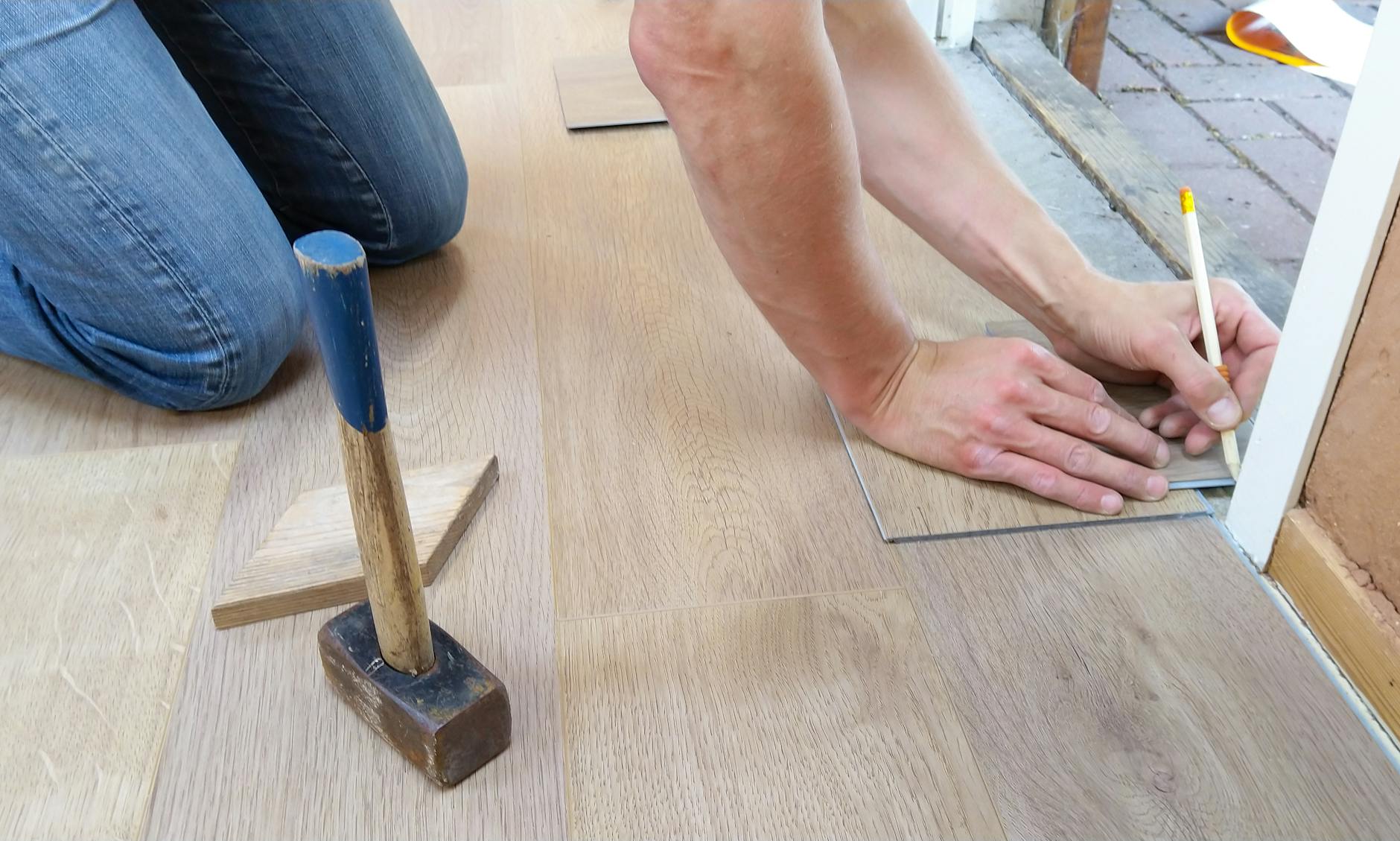
Our team at WSJ Remodeling, Handyman and Pool Services has worked in homes across Jacksonville, Ponte Vedra Beach, Mandarin, Nocatee, Fleming Island, and St. Johns. With thousands of completed jobs and a 5.0-star Google rating backed by 135 verified reviews, here is the insider knowledge our installers share with homeowners who ask the right questions.
Tip 1: Test Your Subfloor Moisture Before Anything Else
Always conduct a moisture test on your concrete slab or wood subfloor before purchasing material. In Florida, slab moisture is common even in newer construction. A simple calcium chloride test or a professional pin-type moisture meter reading will tell you whether you need a moisture barrier, an additional membrane, or whether a material switch makes more sense. This $50 to $200 step can prevent thousands in flooring failures.
Tip 2: Choose LVP with a Thicker Wear Layer for High-Traffic Zones
Not all LVP is created equal. For main living areas, hallways, and any space where kids and pets are regular visitors, choose a product with at least a 20 mil wear layer. The budget options at 6 to 8 mil look identical in the store but show wear much faster. In pool-adjacent spaces and mudrooms, thicker wear layers and textured surfaces also reduce slip hazard when wet feet come inside.
Tip 3: For Hardwood, Engineered Over Solid in Most Jacksonville Homes
If you are committed to real hardwood, engineered hardwood is almost always the smarter choice in our climate. The cross-ply construction dramatically reduces the wood movement that causes cupping and gapping. Look for products with a thick veneer layer, at least 3mm to 4mm, so the floor can be refinished once or twice during its life. Solid hardwood has its place in upstairs bedrooms and low-humidity environments, but for most Jacksonville applications, engineered is the appropriate choice.
Tip 4: Account for Pool Season When Scheduling Installation
Jacksonville pools are in use roughly 10 to 11 months of the year. If your flooring project is near a pool entrance, a screen porch transition, or a family room where wet swimsuits and towels land regularly, plan for this traffic pattern when choosing material and scheduling installation. Hardwood near these zones will need more aggressive sealing and more attentive maintenance. Scheduling installation during the cooler, drier months of November through February also gives hardwood the best possible acclimation conditions.
Tip 5: Leave Proper Expansion Gaps, Even with LVP
One of the most common installation shortcuts we see corrected during renovation projects is missing or inadequate expansion gaps. LVP expands and contracts with temperature, and without proper gaps around the perimeter and at transitions, planks can buckle in summer when the home heats up even slightly. A proper gap of approximately 3/8 of an inch, covered by baseboards or transition strips, is non-negotiable for a floor that holds up in Florida conditions.
Tip 6: Verify Your Contractor Pulls the Right Permits
Most straightforward flooring replacements in St. Johns County do not require a permit. However, if your project involves subfloor replacement, structural modifications, or is part of a larger renovation that touches electrical or plumbing, permits may be required. The Florida Building Commission sets the standards that local jurisdictions enforce, and working with a contractor who understands permit requirements protects you during resale inspections. Always ask your contractor directly about permit responsibility before work begins.
If your flooring project is part of a larger home renovation that includes electrical updates, our team also provides electrician services and can coordinate the full scope of work.
Frequently Asked Questions
Is hardwood flooring a good idea in a Florida home?
Hardwood can work well in Florida homes when installed correctly and maintained properly. Engineered hardwood is almost always a better fit than solid hardwood in our climate because it handles humidity fluctuations more gracefully. The key requirements are a moisture-tested, level subfloor, proper acclimation time before installation, consistent HVAC-controlled humidity between 35% and 55% year-round, and immediate attention to any spills or moisture intrusion. Homeowners who meet these conditions regularly enjoy beautiful hardwood floors for decades. Those who skip the preparation steps often deal with cupping, gapping, or buckled boards within a few years.
How long does LVP flooring last in a Jacksonville home?
Premium luxury vinyl plank with a thick wear layer typically lasts 20 to 30 years in residential applications when properly installed and maintained. In high-traffic areas or homes with pets, lower-quality products may show wear in 10 to 15 years. The longevity depends significantly on the wear layer thickness, installation quality, and whether the product is kept clean and free of grit that can act as sandpaper underfoot. Unlike hardwood, LVP cannot be refinished, so when the wear layer is compromised, the affected planks need to be replaced. The good news is that most click-lock LVP systems allow individual plank replacement without disturbing the entire floor.
What does hardwood floor installation cost in St. Johns County?
For engineered hardwood in the St. Johns County and greater Jacksonville area, homeowners typically budget $10 to $22 per square foot for material and professional installation combined. Solid hardwood projects can run higher depending on species and complexity. Additional costs include subfloor preparation, which can add $1 to $4 per square foot if the existing surface needs leveling or moisture treatment, plus transitions, trim, and old flooring removal. The best way to get an accurate number for your specific project is to schedule a free in-home estimate so the installer can assess your actual subfloor conditions and room complexity.
How long does flooring installation take for an average room?
A single average-sized room of 200 to 300 square feet can typically be completed in one to two days for LVP and two to three days for hardwood, not counting acclimation time. Hardwood requires three to five days of acclimation before installation begins in Florida, and then additional time for any site-finishing or curing if a finish coat is applied after installation. Whole-home flooring projects covering 1,500 to 2,500 square feet generally take one to two weeks from start to finish, accounting for subfloor prep, installation, and finishing work. Your installer should provide a realistic timeline specific to your project before work begins.
How do I choose a reputable flooring contractor in Jacksonville?
Start by verifying the contractor's license through the Florida Department of Business and Professional Regulation and checking that they carry current general liability insurance. Look for contractors with verifiable local reviews, not just a high rating but also a meaningful number of reviews that reflects genuine community experience. Ask specifically about their process for subfloor moisture testing, acclimation practices for hardwood, and what workmanship warranty they provide. A contractor who can answer these questions clearly and specifically, without vague generalities, is demonstrating real expertise. Getting at least two or three detailed, itemized estimates also helps you understand the full scope of your project.
Can I install LVP over existing tile or hardwood?
In many cases, yes, LVP can be installed directly over existing hard flooring surfaces, which is one of its practical advantages. The existing surface must be flat, firmly adhered, and free of significant height variations. Loose tiles, heavily embossed grout lines, or floors with more than 3/16 inch variation over a 10-foot span may need to be addressed first. Installing over existing flooring does add height, which can create issues at door thresholds, appliance clearances, and transitions. Always have a professional assess the existing surface before deciding whether to install over or remove it.
What are warning signs that my hardwood floor has a moisture problem?
The most visible signs of moisture damage in hardwood are cupping, where the edges of planks rise higher than the center, and crowning, which is the opposite pattern. You may also notice gaps between planks during dry winter months, which indicates the wood dried and contracted, or boards that have buckled upward from the subfloor in severe cases. Squeaking can indicate subfloor moisture damage beneath the hardwood. Darkening or staining of individual boards often points to a localized moisture source like a slow plumbing leak or a poorly sealed exterior transition. The EPA's guidance on indoor moisture and mold reinforces that addressing moisture sources promptly prevents larger structural and health issues.
Does flooring choice affect my home's resale value in Ponte Vedra or Nocatee?
In premium St. Johns County communities, flooring quality is one of the first things buyers notice and evaluate. Real hardwood in main living areas remains a selling point in upper-tier Ponte Vedra Beach homes and upscale Nocatee communities, where buyers have elevated expectations. However, condition matters more than material. A well-maintained, freshly cleaned LVP floor will show better and generate more buyer confidence than scratched or humidity-damaged hardwood. For mid-range St. Johns County homes, premium LVP is increasingly competitive with hardwood from a resale standpoint. Working with a real estate professional who knows your specific sub-market in St. Johns County will give you the most accurate read on what local buyers prioritize in your price range.
Ready to Get Started?
Choosing the right flooring for your St. Johns County home is a meaningful investment, and getting the installation right is what determines whether that investment pays off for years or creates problems within months. Our team at WSJ Remodeling, Handyman and Pool Services has helped hundreds of Jacksonville-area homeowners navigate exactly this decision, with thousands of completed projects across the region to back it up.
We hold a 5.0-star Google rating from 135 verified customers, and we bring that same attention to detail to every flooring estimate and installation we complete. We serve homeowners throughout Jacksonville, Ponte Vedra Beach, Mandarin, Nocatee, St. Johns, Fleming Island, and the surrounding communities. If you are outside our primary area, check our full service area page to confirm coverage.
Whether you are deciding between hardwood and LVP, trying to understand what your subfloor needs, or ready to schedule installation, we are ready to help. Our estimates are free, detailed, and come without pressure.
Call us at (904) 747-8788 or (904) 747-9636, or Request a Free Estimate online today.
WSJ Remodeling, Handyman and Pool Services. 7643 Gate Parkway, Suite 104-1230, Jacksonville, FL 32256. Serving Jacksonville, Ponte Vedra Beach, Mandarin, Nocatee, St. Johns, Fleming Island, and surrounding communities.
You can also visit our Handyman and Remodeling in Ponte Vedra, FL page for neighborhood-specific project information, or browse our project gallery to see real results from homes like yours.