
Quick Answer: To maintain your pool during hurricane season in Jacksonville, FL, balance your water chemistry before a storm, remove or secure all loose poolside items, avoid draining the pool (a full pool resists ground shifting), run your pump before and after the storm, and shock the water heavily once the storm passes. Acting in this specific order protects your equipment, your water quality, and your investment.
Key Takeaways
- Never drain your pool before a hurricane. A full pool is heavier and more resistant to structural damage from saturated soil.
- Jacksonville's hurricane season runs June through November, overlapping almost entirely with peak pool use months.
- Balancing your chemistry before and after a storm saves you hundreds in chemical correction costs.
- Pool equipment like pumps, heaters, and automation panels can be damaged by flood surge if not properly addressed ahead of time.
- Post-storm cleanup often requires a professional shock treatment and full equipment inspection before the pool is safe to swim in again.
Jacksonville homeowners know the routine. Every June, the Atlantic hurricane season begins, and for the next six months, every tropical system that forms in the Gulf or the Atlantic deserves your attention. With Jacksonville averaging around 233 sunny days per year and pool season stretching across 10 or more months annually, your pool is one of the most-used features of your home. It also happens to be one of the most vulnerable during a major storm.
The challenge is that most pool owners in neighborhoods like Nocatee, Ponte Vedra Beach, and Mandarin think pool prep means throwing a cover over the water and calling it done. In reality, improper storm prep can cost thousands in equipment repairs, chemical correction, and structural damage that a few hours of smart preparation would have prevented.
This guide walks you through everything you need to know, from what to do three days before a storm makes landfall to how to get your pool back to swim-ready condition once the skies clear. Whether you DIY your pool maintenance or rely on a professional pool service team, this is the definitive local resource for hurricane season pool care in Jacksonville.
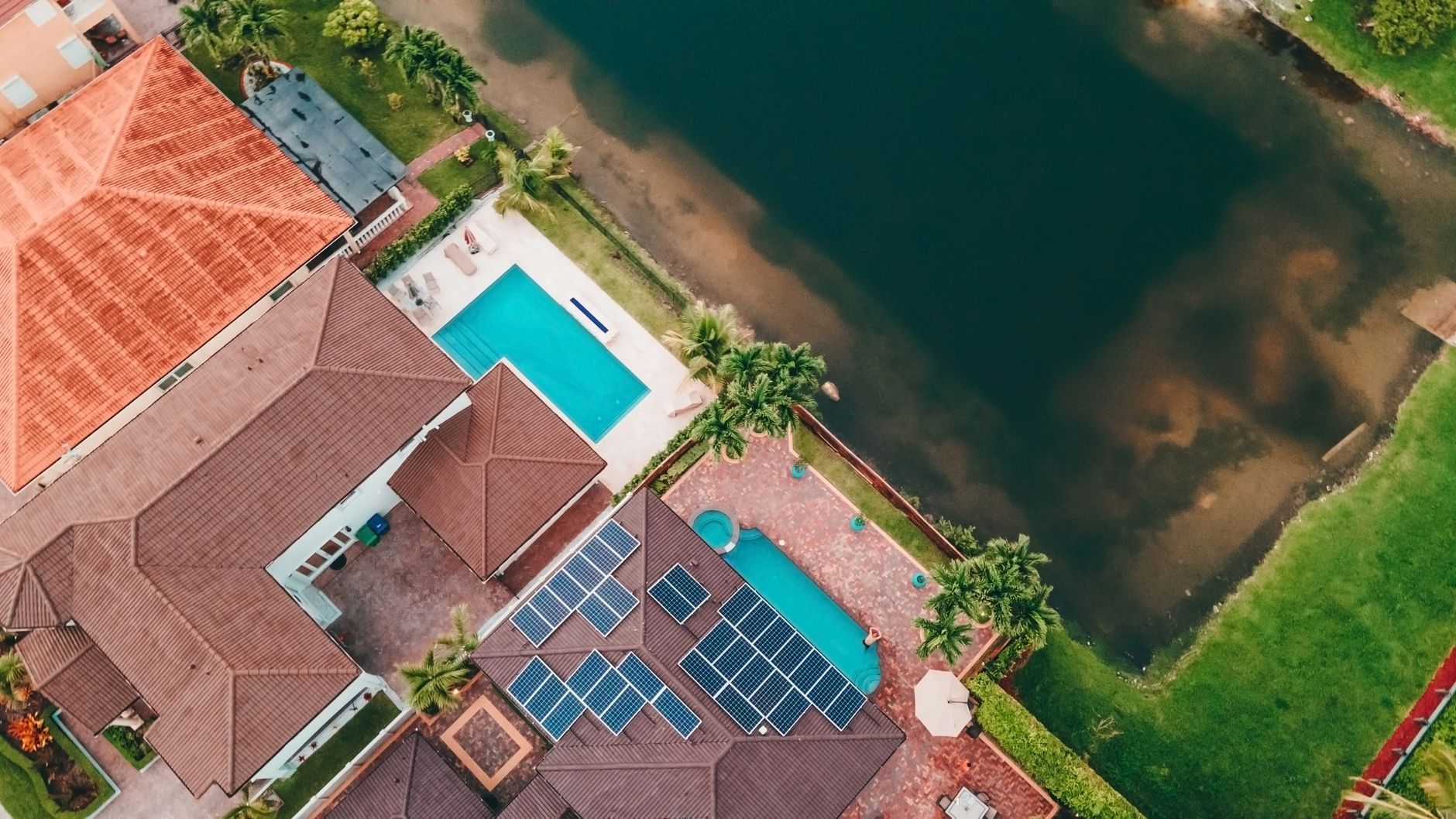
Understanding Jacksonville's Hurricane Season and Your Pool
Jacksonville sits in a unique position along Florida's First Coast. We are not as frequently targeted as South Florida, but that can lend a false sense of security. The city has experienced direct and indirect impacts from major storms including Irma, Matthew, and Dorian, all of which caused flooding, wind damage, and widespread pool contamination across neighborhoods from Fleming Island to Southside Jacksonville.
The Atlantic hurricane season officially runs from June 1 through November 30. During that window, the combination of warm Gulf Stream waters, high humidity, and late-summer heat creates the perfect conditions for tropical development. For pool owners, this timing is particularly tricky because your pool is at its most active during these same months. You are not preparing a pool to sit dormant. You are protecting a functioning, heavily used backyard amenity.
According to the Florida Department of Health, properly maintained residential pools are critical to public health, and storm contamination is one of the leading causes of post-hurricane water quality failures in private pools. Debris, runoff, insects, and organic matter can overwhelm a pool's chemical balance within hours of a major storm passing through.
Saltwater pools, which are popular in communities like Nocatee and St. Johns due to their lower chemical maintenance requirements, face the added challenge of equipment sensitivity. Salt chlorinators, automation systems, and variable-speed pumps are all vulnerable to power surges and flood damage. Understanding your specific pool type before storm season is the first step in building a solid maintenance plan.
Step-by-Step Pool Maintenance Before, During, and After a Hurricane
Breaking hurricane pool prep into three phases makes the process manageable and ensures nothing falls through the cracks. Here is exactly what to do at each stage.
72 to 48 Hours Before the Storm
Start your chemical balancing now. Test your water and adjust pH to between 7.2 and 7.6, alkalinity between 80 and 120 ppm, and chlorine to the high end of normal range, around 3 ppm. Shocking the pool at this stage gives the chemicals time to work through the water before the storm hits.
Remove every loose item from around the pool. Chairs, umbrellas, tables, toys, cleaning equipment, and even decorative pots can become dangerous projectiles in high winds. Do not stack these items against the fence or house. Store them inside your garage, a storage unit, or at minimum weigh them down with water inside. This step is non-negotiable.
Do not drain your pool. This point deserves emphasis because the instinct to drain makes logical sense but is actually harmful. A full pool is structurally stabilized by the weight of the water against the walls and floor. When soil becomes saturated during heavy rain, an empty or partially drained fiberglass or vinyl pool can literally pop out of the ground. This is called pool flotation, and the repair cost runs from $10,000 to $25,000 or more.
Lower the water level by about 6 to 12 inches if you have a screened enclosure or live in a low-lying area prone to overflow. This creates a buffer for the rain volume you are about to receive without fully draining the pool.
24 Hours Before the Storm
Turn off your pool equipment at the circuit breaker, not just the timer or controller. If flooding is expected, this protects your pump, heater, and automation equipment from electrical damage. For homes in flood-prone areas along the St. Johns River basin or coastal Ponte Vedra, consider whether your equipment pad could be submerged. If flood surge is a realistic concern, disconnect and move smaller equipment if possible.
Do not cover your pool with a standard pool cover. This is a common mistake addressed in detail below, but in brief, most covers are not designed to withstand hurricane-force winds and can trap debris underneath while creating a dangerous situation if the cover tears loose.
Add an extra dose of algaecide now. The rain and debris that are coming will introduce phosphates and organics that algae love. Getting algaecide into the water before the storm gives you a fighting chance against the post-storm green pool situation that many Jacksonville homeowners deal with every season.
During the Storm
Stay inside. Your pool can handle the storm on its own. Do not go outside during the storm to check on anything. A full pool with properly balanced water and all equipment shut off at the breaker is as protected as it can be. Your personal safety comes first, always.
After the Storm Passes
Before you turn anything back on, inspect the area carefully. Look for debris in and around the pump, filter, and heater. Check for downed power lines near the equipment pad. Look for visible damage to the pool shell, coping, or decking before running any water through the system.
Once you have confirmed it is safe, run your pump and filter continuously for at least 24 to 48 hours. Skim and remove all debris from the water manually first. Then test your chemistry and expect to need significant chemical correction. Shocking the pool heavily after a storm is standard practice, not optional.
If your water has turned green, do not panic. Green pool recovery after a storm is one of the most common pool service calls we receive at WSJ Remodeling, Handyman & Pool Services following major weather events. It is fixable, though it typically requires a multi-step shock, clarifier, and filter cleaning process over two to four days.

Common Mistakes Jacksonville Homeowners Make
After working through thousands of completed jobs across the Jacksonville area, our team has seen the same preventable mistakes show up season after season. Here are the most costly ones and why they happen.
Draining the Pool Before the Storm
As mentioned above, this is the single most damaging mistake a pool owner can make before a hurricane. The logic seems sound: less water means less mess. But pools are designed to hold water. The hydrostatic pressure of a full pool actually protects the shell and the structure. When a pool is empty and surrounding soil becomes waterlogged, the pressure from outside the shell far exceeds what the structure was built to handle from that direction. Fiberglass pools are especially vulnerable to this. Do not drain your pool before a hurricane. Period.
Leaving Pool Furniture Outside
This mistake happens not because homeowners do not know better, but because they underestimate how fast storm conditions deteriorate. Jacksonville residents in particular have experienced storms that intensified rapidly as they approached the First Coast. A pool chair or umbrella left outside during a Category 1 can shatter a pool screen enclosure, crack a window, or end up in the pool where it can damage the liner or pump system if it gets sucked toward the skimmer.
Covering the Pool with a Standard Cover
Standard winter or leaf covers are not hurricane covers. They are not designed for wind loads, and during a major storm, they can be ripped off and become a hazard. Worse, if a cover partially comes off, it can trap debris underneath, block drainage, and make post-storm cleanup significantly harder. Unless you have a purpose-built hurricane pool cover, leave the pool open to the storm and focus your prep energy on chemical balance and equipment protection.
Not Checking Equipment Before Restarting
After the storm passes, some homeowners flip the breaker back on immediately without inspecting the equipment pad area. If there is standing water, debris blocking the pump intake, or damage to the electrical connections, restarting the system can cause equipment failure or create an electrical hazard. Always do a full visual inspection before powering anything back on. This is one of those situations where a professional set of eyes is worth the cost of a service call.
Ignoring Post-Storm Water Quality for Days
The longer storm-contaminated water sits untreated, the harder it is to recover. Algae can establish itself in as little as 24 to 48 hours in warm, nutrient-rich water. Jacksonville summers mean water temperatures in the mid-80s even during hurricane season, which is essentially ideal algae growing conditions. Start your post-storm treatment as soon as it is safe to do so, ideally within 12 to 24 hours of the storm passing.
DIY vs. Hiring a Professional in Jacksonville
The honest answer is that both approaches have their place during hurricane season, and the right choice depends on your experience level, the severity of the storm, and the complexity of your pool system.
DIY is realistic for: Pre-storm chemical balancing if you already test and maintain your own pool. Removing and storing poolside furniture and accessories. Turning off equipment at the circuit breaker. Post-storm skimming and basic shock treatment for a pool that is only mildly affected.
Hire a professional for: Any situation where your pool has turned green or cloudy after a storm. Equipment inspection after flooding or power surge exposure. Structural concerns including cracks in the shell, shifting coping, or deck damage. Saltwater system recalibration after a major storm. Persistent chemistry imbalances that don't resolve after two rounds of treatment.
Our team at WSJ Remodeling, Handyman & Pool Services holds a 5.0-star Google rating based on 135 verified customer reviews, and a significant portion of those reviews come from post-storm pool recovery calls. Homeowners in Ponte Vedra, Mandarin, and St. Johns who attempted DIY recovery after major storms sometimes found that waiting a few extra days actually made the problem more expensive to fix. If you have any doubt about the state of your equipment or water, a professional inspection is almost always the more cost-effective choice.
The Association of Pool and Spa Professionals recommends that residential pool owners schedule a professional inspection at the start of hurricane season and again after any significant storm event, especially when pool equipment has been exposed to flooding or surge.
If you are located in areas we regularly serve, including Ponte Vedra Beach, Mandarin, and Fleming Island, getting a professional on-site after a storm is straightforward. We know these neighborhoods, the typical pool types in each community, and the specific challenges each area faces during storm season.
What to Expect: Cost Breakdown for Jacksonville
Being transparent about costs helps you plan ahead and avoid surprise bills after a storm. Here is a realistic breakdown of what pool hurricane prep and recovery typically costs in the Jacksonville market.
Pre-storm chemical balancing (DIY): $30 to $80 in chemicals depending on pool size and current water condition. If your pool is already well-maintained heading into storm season, this cost is at the low end.
Pre-storm chemical balancing (professional service call): $75 to $150 for a technician to test, balance, shock, and add algaecide before an approaching storm. Many homeowners in Nocatee and St. Johns on weekly service plans have this included.
Post-storm green pool recovery: $150 to $400 depending on severity. A mildly cloudy pool that just needs a shock and clarifier sits at the low end. A full green-to-clean treatment involving multiple chemical applications, filter cleaning, and multiple visits can reach the higher range.
Equipment inspection and restart after a storm: $100 to $200 for a professional inspection and safe restart of pump, filter, heater, and automation systems. This is money well spent if you are unsure whether equipment was exposed to flooding.
Pool screen enclosure repair after storm damage: $200 to $1,500 or more depending on the extent of the damage. Many Jacksonville homes with screen enclosures sustain some level of screen damage from even moderate tropical systems. Our handyman and remodeling teams handle these repairs across the area. You can see examples of our work in our project gallery.
Structural pool repairs (worst-case scenarios): Pool flotation from improper draining, crack repair from debris impact, or coping and decking damage can range from $2,000 to well over $20,000. These costs are almost always preventable with proper pre-storm preparation.
Think of hurricane prep spending as a fraction of what it costs to fix preventable damage. A $150 pre-storm service call is a genuine investment in protecting a backyard feature that adds $15,000 to $30,000 or more in home value in Jacksonville's market. The National Association of Home Builders consistently finds that pools rank among the top value-adding outdoor features in warm-climate markets like North Florida.
Pro Tips from Our Jacksonville Team
After thousands of completed pool jobs across Jacksonville and the surrounding communities, our team has developed a few insider strategies that go beyond the standard advice you'll find anywhere online. These are specific to our local conditions.
1. Start your hurricane prep at the beginning of June, not when a storm is named. By the time a tropical system is named and tracking toward Jacksonville, pool supply stores are often sold out of shock, algaecide, and clarifier. Local demand spikes dramatically in the 48 to 72 hours before a storm. Stock up early in the season so you have what you need on hand without scrambling.
2. Photograph your equipment before and after every storm. Document the condition of your pump, filter, heater, and automation panel at the start of hurricane season. If you file an insurance claim after storm damage, this documentation can make a significant difference in the outcome. This simple habit takes five minutes and costs nothing.
3. Know your neighborhood's flood risk specifically. Homes along the Intracoastal in Ponte Vedra face different risks than elevated lots in Nocatee or the St. Johns County communities. Areas near the St. Johns River, including parts of Mandarin and San Marco, can experience significant flooding even from storms that do not make direct landfall. Check your flood zone designation at the City of Jacksonville's official website and factor it into your equipment protection plan.
4. Invest in a variable-speed pump if you haven't already. Beyond the well-known energy savings, variable-speed pumps allow you to run your system at low speeds for extended periods post-storm. This is exactly what you need when you are trying to turn over a pool's water volume continuously to restore clarity after contamination. Older single-speed pumps run at full power or not at all, making recovery less efficient and more expensive in electricity costs. The Energy Star program offers resources on qualifying pool pump upgrades that may also make you eligible for rebates.
5. Handle pool chemicals with care before and after storms. The EPA recommends storing pool chemicals separately from each other and away from any area that could flood. Never mix chlorine products together, and if flood water has contacted your chemical storage area, treat those containers as compromised. The EPA's chemical safety guidelines are worth reviewing before hurricane season each year, especially if you store chemicals in a garage or shed that is at risk of taking on water.
6. Get on a service schedule for the fall months specifically. Many Jacksonville pool owners are diligent about maintenance in summer but let their service schedules lapse in October and November. These are still active hurricane months and the period when pools are often the most chemically stressed from summer use. Consistent professional maintenance through the end of November keeps your pool in the best possible condition to handle a late-season storm. Our team covers neighborhoods across the greater Jacksonville area, including Jacksonville Beach and Orange Park, making it easy to stay on schedule.
Frequently Asked Questions
Should I drain my pool before a hurricane in Jacksonville?
No. Draining your pool before a hurricane is one of the most damaging things you can do to the structure. When the surrounding soil becomes saturated with heavy rain, a pool without water has no internal pressure to counteract the force pushing inward and upward from the ground. Fiberglass pools in particular can literally be pushed out of the ground, a situation called pool flotation that results in tens of thousands of dollars in damage. Instead, lower the water level by 6 to 12 inches to create room for rainfall, then leave it full. A full pool is your best structural protection during a storm.
How do I balance my pool chemistry before a hurricane?
Aim to balance your pool chemistry 48 to 72 hours before the storm arrives. Test your water and bring pH to between 7.2 and 7.6, total alkalinity to 80 to 120 ppm, and chlorine toward the high end of the normal range, around 3 ppm. Shock the pool at this point and add a quality algaecide. The goal is to send the pool into the storm with the highest possible chemical concentration so that even after significant dilution from rain, there is enough residual protection in the water to limit algae growth and contamination during the time your system is shut down.
When is Jacksonville's hurricane season and how long should I plan for pool prep?
The official Atlantic hurricane season runs from June 1 through November 30. Jacksonville is most historically active from mid-August through mid-October, though storms can develop any time during the season. Rather than scrambling when a storm is named, the smarter approach is to establish hurricane prep habits at the start of June each year. Stock your chemicals early, document your equipment, confirm your electrical shutoffs, and know your flood zone. Planning takes about two to three hours at the start of the season and saves hours of reactive scrambling when a storm approaches.
How much does post-hurricane pool recovery cost in Jacksonville?
Post-storm pool recovery costs vary based on the severity of contamination and the extent of any equipment damage. A pool that is mildly cloudy after a tropical storm may only need $30 to $80 in additional chemicals and a few days of extended pump run time. A pool that has turned green due to algae growth after a major storm, with equipment that needs inspection and cleaning, can cost $150 to $400 or more for professional treatment. Equipment repairs, structural damage, or screen enclosure repairs add significantly to that range. Proper preparation before the storm is genuinely the most cost-effective strategy.
Is it safe to swim in my pool after a hurricane?
Not until you have fully tested and corrected your water chemistry. Post-storm water can contain elevated bacteria, algae, debris contaminants, and chemical imbalances that make it unsafe for swimming. Run your pump and filter for at least 24 to 48 hours after debris removal, test your water, and ensure chlorine, pH, and alkalinity are all within safe ranges before anyone gets in. If there is any visible discoloration, cloudiness, or odor, wait and treat the pool further. The Florida Department of Health recommends that residential pool owners treat storm-contaminated water as they would treat a pool that has been closed for an extended period and reopen it with the same diligence.
Should I turn off my pool pump during a hurricane?
Yes. Shut off all pool equipment at the circuit breaker 24 hours before the storm is expected to arrive. Do not just turn it off at the control panel or timer. Cutting power at the breaker protects your pump motor, automation system, and heater from electrical damage caused by power surges or flooding near the equipment pad. If you live in a flood-prone area and your equipment pad is at risk of being submerged, consult with a pool professional about whether any components can be temporarily relocated or disconnected for added protection.
How do I choose a reliable pool service company in Jacksonville after storm damage?
Look for a company with verifiable reviews, local experience, and familiarity with the specific pool types and conditions in Jacksonville and the surrounding communities. Check Google reviews for recency and volume since a company with many recent reviews is actively serving customers. Ask whether the company is licensed for pool work in Florida and whether they can provide references from post-storm service calls specifically. Avoid companies that give phone quotes without seeing the pool, especially for recovery situations where the extent of the damage is not always visible from the surface.
What happens to my saltwater pool during a hurricane?
Saltwater pools require the same pre-storm preparation as traditional chlorine pools, but with additional attention to the salt chlorinator and automation equipment. These systems are sensitive to power surges and flooding. Shut off the salt cell and automation panel at the breaker before the storm. After the storm, do not restart the chlorinator until you have tested the salinity level, since heavy rainfall can significantly dilute the salt concentration and cause the system to malfunction or fail to generate adequate chlorine. You may need to add salt and recalibrate the system before resuming normal operation. A professional technician familiar with salt systems is recommended for post-storm restart in most cases.
How do I prevent algae growth in my pool after a hurricane?
The best defense against post-storm algae is aggressive pre-storm chemical preparation combined with fast action after the storm passes. Add a quality algaecide to your pool 48 hours before the storm, shock the water to a high chlorine level, and then be ready to start your post-storm treatment within 12 to 24 hours of the storm clearing. Remove all debris from the water manually before running the pump, since organic debris is the fuel algae feeds on. If your pool does turn green, do not wait and hope it clears on its own. Green water requires an active multi-step treatment process involving multiple shock doses, clarifier, and thorough filter cleaning over two to four days.
Ready to Get Started?
Hurricane season is not the time to figure out your pool maintenance plan as you go. Whether you need professional pre-storm prep, post-hurricane recovery, equipment inspection, or year-round pool maintenance service, WSJ Remodeling, Handyman & Pool Services is ready to help.
We are a locally trusted home services company with a 5.0-star Google rating based on 135 verified customer reviews and thousands of completed jobs across the Jacksonville area. Our pool service team knows the specific challenges Jacksonville homeowners face during hurricane season, from the coastal conditions in Ponte Vedra to the flood-prone areas near the St. Johns River in Mandarin and San Marco.
We serve homeowners throughout Jacksonville, Ponte Vedra Beach, Mandarin, Nocatee, St. Johns, Fleming Island, and the surrounding communities. Our team is available to help you protect your pool investment before a storm hits and get your water back to swim-ready condition as quickly as possible afterward.
Call us at (904) 747-8788 or Request a Free Estimate today. Do not wait until a storm is named to start your preparation.
WSJ Remodeling, Handyman & Pool Services
7643 Gate Parkway, Suite 104-1230, Jacksonville, FL 32256
Phone: (904) 747-8788 | (904) 747-9636