
Quick Answer: Humidity control in a screened pool area means managing moisture levels inside your enclosure to prevent mold, structural damage, and uncomfortable conditions. In Fleming Island, FL, where outdoor humidity regularly tops 80 to 90 percent during summer months, the right combination of ventilation, dehumidification, and enclosure design can protect your investment and make your pool area genuinely enjoyable year-round.
Key Takeaways
- Fleming Island homeowners face some of the most challenging humidity conditions in the country, with summer averages hovering near 90 percent relative humidity.
- Uncontrolled moisture inside a screen enclosure can lead to mold growth, wood rot, corroded hardware, and damaged pool decking within just one to two seasons.
- The right solution typically combines passive ventilation design, active dehumidification, and regular maintenance rather than any single fix.
- Professional-grade pool enclosure dehumidification systems range from $1,500 to $6,000+ installed, depending on enclosure size and equipment selected.
- WSJ Remodeling, Handyman & Pool Services has completed thousands of jobs across the Jacksonville area and carries a 5.0-star Google rating based on 135 verified customer reviews.
If you own a screened pool enclosure in Fleming Island, you already know the paradox well. You built or bought the enclosure to enjoy your pool without fighting bugs and debris. But now you walk out there on a July morning and the air inside feels thick, walls are sweating, and you can see greenish streaks forming on the aluminum frame. That is not just an inconvenience. It is the early warning sign of a humidity problem that will cost you real money if you ignore it.
Fleming Island sits in Clay County, just south of Orange Park and west of the St. Johns River. The geography is beautiful, but it also means your property is surrounded by wetlands, tidal marshes, and some of the most moisture-saturated air in Northeast Florida. Jacksonville averages about 53 inches of rainfall per year, and the area sees high humidity from April through October with very little relief. For pool enclosure owners, that creates a set of challenges that homeowners in drier climates simply never face.
This guide will walk you through everything you need to know about humidity control for screened pool areas, specific to the conditions Fleming Island homeowners deal with every season.
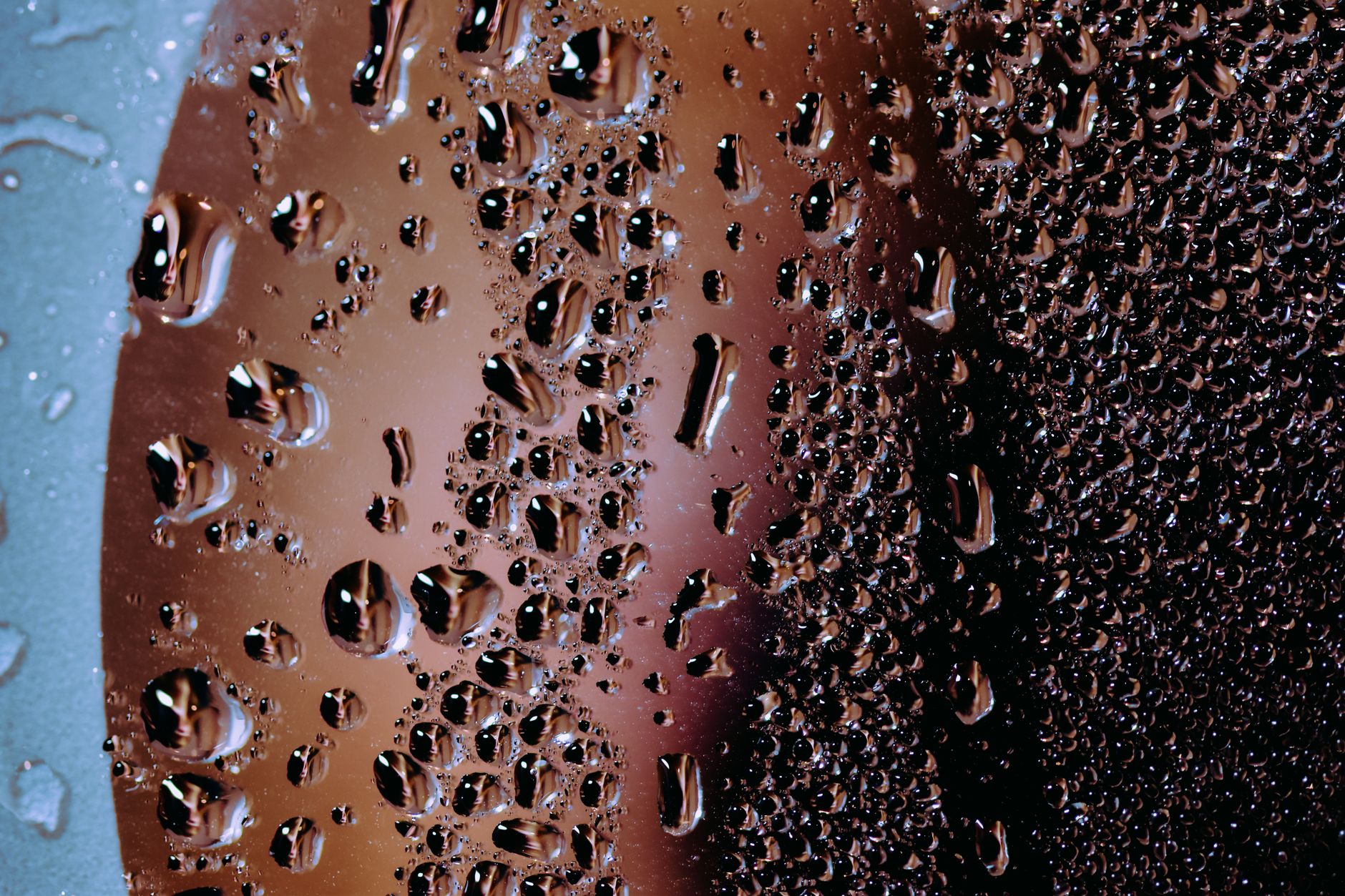
Understanding Humidity Inside a Pool Enclosure
A screened pool enclosure traps more moisture than you might expect. Your pool itself is constantly evaporating water, even when no one is swimming. The U.S. Department of Energy estimates that an uncovered residential pool can lose 1 to 2 inches of water per week to evaporation, and all of that moisture has to go somewhere. Inside a screened enclosure, a significant portion of it stays trapped.
Relative humidity measures how much moisture is in the air compared to how much the air could hold at a given temperature. When that number climbs above 60 to 65 percent inside an enclosed space, conditions become favorable for mold and mildew. When it stays above 70 percent consistently, structural materials begin to degrade. In a Northeast Florida summer, ambient outdoor humidity already starts at 75 to 80 percent before your pool adds anything to the equation.
Screened enclosures are not airtight. They breathe. But that means they also import outdoor humidity freely, especially when winds are low and temperatures are high. The real problem is when the air inside the enclosure cannot exchange fast enough to carry moisture away, or when the enclosure design restricts airflow to the point where moisture simply builds up over time.
The EPA notes that mold can begin growing on surfaces within 24 to 48 hours when moisture and humidity conditions are right. For pool enclosure owners in Fleming Island, that window closes fast during the summer rainy season.
How to Control Humidity in Your Screened Pool Area
There is no single product or fix that solves pool enclosure humidity. The best results come from layering several strategies together, each one addressing a different part of the moisture equation. Here is how to think through it systematically.
Step 1: Assess Your Current Ventilation
The first question is whether your enclosure has adequate airflow. Standard screen enclosures in Florida are designed with screen panels that allow some air movement, but the degree of ventilation varies widely depending on design, screen mesh density, and how the structure is oriented on your lot.
Walk through your enclosure on a still summer morning and pay attention to how the air feels in different spots. Notice where condensation forms most heavily. If moisture collects most in corners or under the roof panels, those are dead-air zones where ventilation is inadequate. If the whole enclosure feels equally saturated, the issue may be more systemic.
Good passive ventilation means having screen panels that allow cross-breezes, not just a single opening. A structure that opens only on one side will pull air in but not let it escape efficiently. If your enclosure has a solid roof panel system rather than full screen above, that significantly reduces natural convective airflow.
Step 2: Use a Pool Cover When the Pool Is Not in Use
This is the single most impactful thing most Fleming Island homeowners can do right now at very low cost. A properly fitted solar or safety pool cover dramatically reduces the rate of evaporation. Less evaporation means less moisture loading the air inside your enclosure every hour your pool sits idle.
Solar covers serve double duty: they slow evaporation and retain heat, which means your heater runs less and your pool stays comfortable year-round. In a climate where Jacksonville-area pools are in use 10 to 11 months of the year, that energy saving adds up quickly. The Energy Star program recognizes pool covers as one of the most cost-effective energy-saving measures for residential pools.
Step 3: Install or Upgrade Screen Venting
If your enclosure design allows for it, adding ridge vents or replacing sections of solid roof panel with screen panels can dramatically improve passive ventilation. Hot air rises, and if it has nowhere to go, it stagnates near the ceiling of your enclosure carrying all that pool moisture with it.
Ridge venting at the peak of the enclosure roof allows that hot, humid air to escape naturally, drawing cooler and slightly drier air in from the lower screen panels. This convective loop is simple, requires no power, and operates continuously. Some Fleming Island homeowners also add motorized louvers at strategic points that can be opened or closed depending on weather conditions.
Step 4: Consider a Dedicated Pool Enclosure Dehumidifier
When passive ventilation is not enough, a mechanical dehumidifier designed for outdoor or semi-outdoor pool environments is the next step. Standard residential dehumidifiers sold at hardware stores are not built for this application. They are not rated for the humidity levels a Florida pool enclosure produces, and they tend to fail quickly in high-temperature outdoor conditions.
Pool enclosure dehumidifiers are purpose-built units that can handle the extreme moisture loads common to Florida pools. These units typically drain continuously to a floor drain or outside the enclosure, so you are not constantly emptying a bucket. Brands like Thermastor, Santa Fe, and AlorAir produce units specifically designed for high-humidity pool environments. The Association of Pool and Spa Professionals (APSP) provides industry guidance on equipment selection and installation standards for exactly these types of applications.
Step 5: Address the Enclosure Structure Itself
Check the condition of your screen mesh. Over time, Florida sun degrades screen fabric, and even tiny tears or gaps allow insects in but do little to restrict humid air. If your screen is five or more years old, it may be worth evaluating whether re-screening with a higher-performance mesh could improve airflow while still keeping bugs out.
Also look at the aluminum framing. Corroded or pitted frame sections are a sign that moisture has already been sitting on metal surfaces longer than it should. Addressing the root humidity issue now will slow future corrosion significantly. Our team at WSJ Remodeling and Handyman in Fleming Island regularly inspects and repairs enclosure framing as part of broader pool area improvement projects.
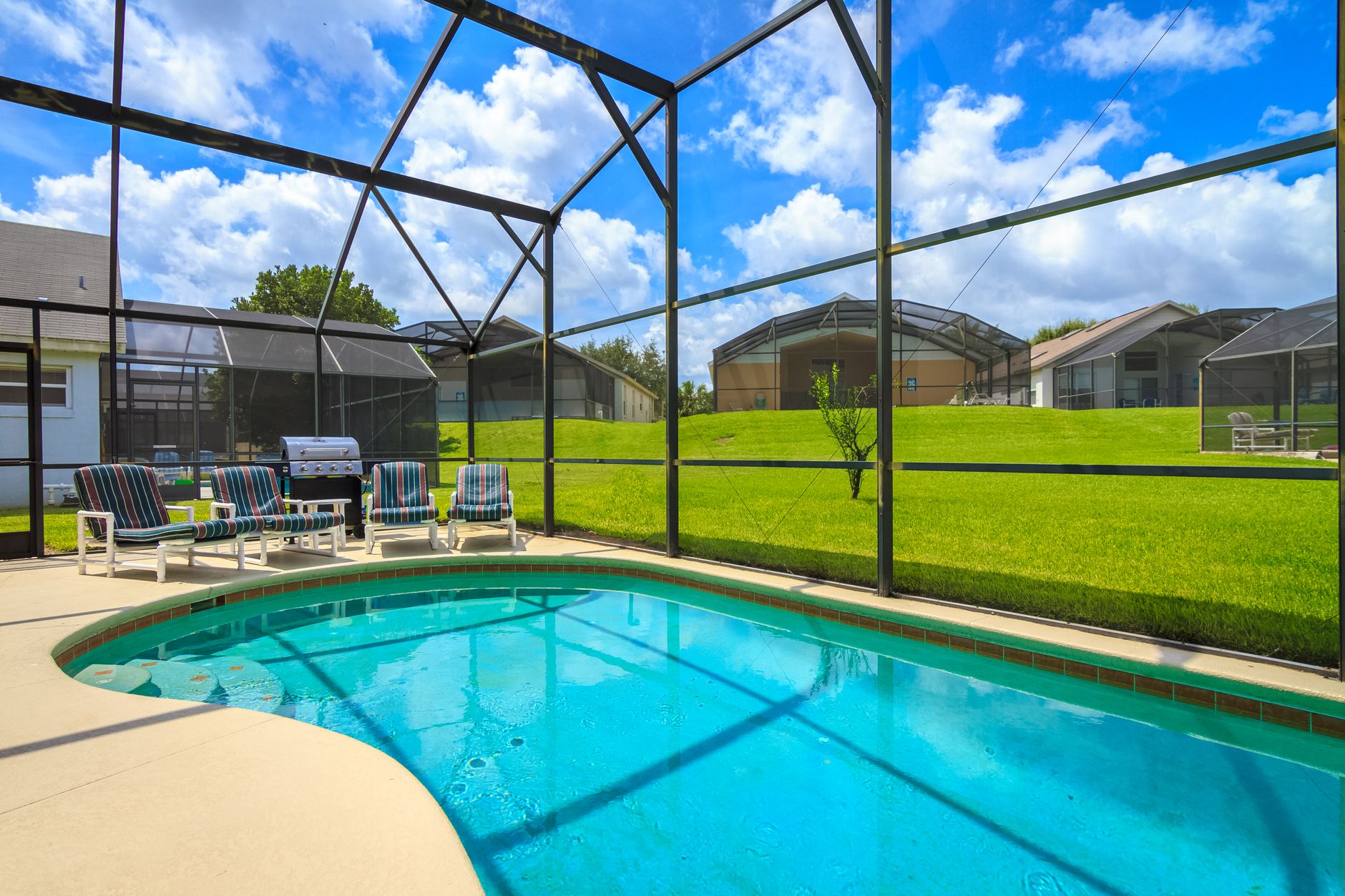
Common Mistakes Jacksonville Homeowners Make
After working on pool enclosures across Fleming Island, Mandarin, Ponte Vedra, and the broader Jacksonville area, our team sees the same mistakes come up repeatedly. Knowing what not to do can save you thousands of dollars.
Mistake 1: Using a Standard Residential Dehumidifier
Hardware store dehumidifiers are designed for basements and interior rooms, not outdoor pool environments. They are not rated for the temperature swings a Florida enclosure experiences, the heavy moisture loads a pool produces, or continuous operation. Most fail within a single season when pushed to their limits in a pool enclosure. You end up spending money twice: once on the wrong unit and again on a replacement that actually works.
Mistake 2: Closing Off the Enclosure to Keep Humidity Out
This is counterintuitive but very common. Homeowners assume that sealing up the enclosure as tightly as possible will keep humid outdoor air out. In practice, a tightly sealed enclosure traps the moisture your pool generates with no way to escape. Humidity builds faster inside a sealed space than in one with controlled ventilation. You need air to move, not to stagnate.
Mistake 3: Ignoring Early Warning Signs
Green or black streaks on the frame, peeling caulk at joints, warped wood trim, and musty odors are all early warning signs of a chronic humidity problem. Fleming Island homeowners often chalk these up to normal Florida wear and wait another season to address them. By the time the damage is obvious, the repair bill is far higher than the prevention would have been.
Mistake 4: Skipping Pool Covers Because They Are Inconvenient
Pool covers require effort to put on and take off, especially with frequent swimmers. But the reduction in evaporation they provide is substantial enough that skipping them significantly increases the moisture load your enclosure has to manage. Even using a cover overnight or during multi-day periods of non-use makes a measurable difference.
Mistake 5: Treating Mold Without Fixing the Humidity
Bleach cleaning the mold off your screen frame or deck is a temporary fix at best. If the humidity levels that caused the mold are still present, the mold returns within weeks. Effective mold remediation in a pool enclosure requires fixing the moisture source first. According to the Florida Department of Health, addressing the moisture source is the essential first step in any effective mold remediation effort.
DIY vs. Hiring a Professional in Jacksonville
Not every part of humidity control requires a professional. Here is an honest breakdown of what most homeowners can handle themselves and where calling in a pro makes a real difference.
What You Can Do Yourself
Installing a pool cover is straightforward and the payoff is immediate. Cleaning screen panels and aluminum frames with a diluted bleach solution or commercial mold remover is safe and effective for light buildup. Checking and clearing debris from the base of the enclosure to improve airflow at ground level is a good regular maintenance task. Monitoring indoor humidity with a basic digital hygrometer, available for under $20, gives you a clear picture of how your enclosure is performing across seasons.
Where a Professional Adds Clear Value
Sizing, selecting, and installing a commercial-grade pool enclosure dehumidifier correctly requires knowledge of the unit's airflow requirements, drainage routing, and electrical load. Undersizing a unit means it runs constantly and fails early. Oversizing it wastes money upfront and can cause overcooling issues in milder months.
Structural modifications, including adding ridge venting, replacing solid roof panels with screen panels, or altering the enclosure frame, require permits and inspections in Clay County. A licensed contractor familiar with local code ensures the work passes inspection and does not void any warranty on the existing structure.
Our team at WSJ Remodeling, Handyman and Pool Services has completed thousands of jobs across the Jacksonville area, including in Fleming Island, Mandarin, and Ponte Vedra Beach. When it comes to pool enclosure improvements, we bring that depth of local experience to every project, which means we can spot issues a first-time installer might miss entirely.
Mold remediation beyond surface cleaning, meaning treatment of structural framing, decking substrate, or screen framing that has absorbed moisture over time, is another area where professional assessment protects you from doing incomplete work that leads to a quick return of the problem.
What to Expect: Cost Breakdown for Jacksonville
Every enclosure is different, so these ranges reflect what Fleming Island and Jacksonville-area homeowners typically encounter. Treat them as realistic planning figures, not guaranteed quotes. Pricing varies based on enclosure size, equipment selection, and site conditions.
- Digital hygrometer (DIY monitoring): $15 to $40. An easy first step for any homeowner who wants to understand their current conditions.
- Pool cover (solar or safety): $150 to $800 depending on pool size and cover type. One of the best returns on investment available for reducing enclosure humidity.
- Screen re-screening (existing frame): $500 to $1,800 for a typical enclosure. Pricing depends on total square footage and screen type selected.
- Ridge vent addition or ventilation upgrade: $400 to $1,200 installed, depending on complexity of the enclosure roof structure.
- Commercial pool enclosure dehumidifier (installed): $1,500 to $6,000+. This range reflects the wide variety of unit sizes and installation complexity. Larger enclosures, multi-zone systems, and units that require new electrical circuits fall toward the higher end.
- Mold remediation and surface treatment: $300 to $1,500 for a typical pool enclosure, depending on the extent of growth and materials affected.
- Full enclosure humidity control project (combined solutions): $3,000 to $10,000 for a comprehensive approach including ventilation improvements, dehumidifier installation, and remediation if needed.
These costs are investments in your home's value and your family's health. An uncontrolled humidity problem in a pool enclosure leads to frame corrosion, deck damage, mold remediation costs, and in severe cases, full enclosure replacement. Addressing it proactively is nearly always less expensive than reacting to the damage it causes. For homeowners in Fleming Island, where pool enclosures are a significant feature of outdoor living and home value, the math almost always favors acting sooner.
Explore what our team covers across the region on our Service Areas page and see how our remodeling and handyman services can be combined with pool enclosure work for maximum value through our Remodeling Services page.

Pro Tips from Our Jacksonville Team
After years of working on pool enclosures across Fleming Island, St. Johns, Nocatee, and surrounding communities, our crew has developed a set of practical habits that separate well-maintained enclosures from problem ones. Here are the tips we share most often with homeowners.
Tip 1: Buy a Hygrometer Before You Buy Anything Else
A digital hygrometer costs less than $25 and tells you exactly what humidity levels you are dealing with inside the enclosure at different times of day and in different seasons. Without a baseline measurement, you are guessing. With it, you can track whether any changes you make are actually working. Set it in the area of the enclosure where you spend the most time and check it at the same time each morning for a week to establish a baseline.
Tip 2: Time Your Pool Chemistry Adjustments
Chlorine and other pool chemicals work through evaporation and off-gassing. Shocking your pool or adding chemicals late in the evening rather than in the morning reduces the amount of chemical vapor mixing with the air inside your enclosure during peak daytime hours. This does not eliminate humidity, but it reduces the chemical load in the air, which is better for your lungs and for the metal surfaces in the enclosure.
Tip 3: Do Not Skip the Annual Frame Inspection
Aluminum pool enclosure frames in Florida need an annual inspection for corrosion, loose fasteners, and joint integrity. We recommend scheduling this in late fall, after the hardest part of the humidity season. Catching loose hardware before it fails prevents screen panels from separating at the seams, which creates gaps that defeat the entire purpose of the enclosure. The Florida Building Commission updates enclosure structural standards periodically, and knowing your structure is in code-compliant condition matters if you ever sell your home.
Tip 4: Direct Sprinklers Away from the Enclosure
Irrigation heads that spray directly onto or toward the base of your screen enclosure are a major and often overlooked humidity source. Water driven through the lower screen panels by sprinklers adds to the moisture load inside the enclosure and saturates the decking and foundation areas, increasing ground-level humidity. Redirect sprinkler heads so coverage stops at least three feet from the enclosure perimeter.
Tip 5: Keep the Deck Clear and Clean
Leaves, dirt, and organic debris on your pool deck hold moisture and promote mold growth at the surface level. A clean deck dries faster after rain and swimming, reducing the amount of evaporating surface water inside the enclosure. Regular sweeping and occasional pressure washing of the deck surface is one of the simplest maintenance habits with a direct impact on enclosure humidity.
Tip 6: Match Your Dehumidifier to Your Climate Zone
Fleming Island and the broader Jacksonville area fall within ASHRAE climate zone 2A: hot and humid. Equipment recommendations for pool enclosures in Arizona or the Carolinas do not necessarily apply here. When selecting a dehumidifier, confirm that the unit is rated for sustained high-temperature, high-humidity environments and that the manufacturer has tested it in conditions similar to what Northeast Florida produces. Our team, with a 5.0-star Google rating and 135 verified reviews from Jacksonville-area homeowners, can help you identify units that have performed reliably in local conditions rather than relying on manufacturer claims alone.
Frequently Asked Questions
What humidity level should a screened pool enclosure in Fleming Island maintain?
The target indoor relative humidity for a comfortable, mold-resistant pool enclosure is generally 50 to 65 percent. In Fleming Island during summer months, outdoor humidity regularly exceeds 85 to 90 percent, so achieving the lower end of that range requires active dehumidification. During cooler months from November through February, passive ventilation alone is often sufficient to maintain comfortable levels. Using a digital hygrometer to monitor conditions across seasons helps you know when to run your dehumidifier and when to let natural airflow handle the job.
How do I know if mold in my pool enclosure is a health risk?
Surface mold on aluminum frames or concrete decking is generally a maintenance issue rather than an immediate health emergency, but it should be addressed promptly. Mold growing on porous materials like wood trim, caulk joints, or any drywall or insulation present in an attached structure is a more serious concern. According to the Florida Department of Health, individuals with asthma, allergies, or compromised immune systems are at greater risk from mold exposure. If you notice persistent musty odors or visible mold spreading across multiple surfaces, a professional assessment is the right call.
How long does it take to install a pool enclosure dehumidifier?
A straightforward dehumidifier installation in an existing enclosure with accessible electrical service typically takes one to three hours for an experienced crew. More complex projects, including running new electrical circuits, installing drainage lines to a floor drain, or mounting units in tight or elevated positions, can take a full day. Permit requirements in Clay County may add time if structural work is involved. Our team schedules most dehumidifier installations as a half-day or full-day job so there is no rush and everything is installed correctly.
Can I use a regular dehumidifier designed for basements in my pool enclosure?
Standard residential dehumidifiers are not well suited for pool enclosure environments in Florida. They are designed to operate in moderate temperature ranges, typically 65 to 80 degrees Fahrenheit, and in moderate humidity levels. A Fleming Island pool enclosure in July can hit 95 degrees Fahrenheit with 85 percent humidity inside, conditions that push most standard units well beyond their rated operating range. Commercial pool enclosure dehumidifiers are built with corrosion-resistant components, higher moisture removal capacity, and thermal protection suitable for these conditions. Using the wrong equipment typically results in early failure and voided warranties.
What permits are required in Clay County for pool enclosure modifications?
Clay County requires permits for structural modifications to pool enclosures, including changes to the frame, additions of roof panels or venting, and any electrical work associated with dehumidifier installation. Re-screening an existing enclosure with the same screen type typically does not require a permit, but replacing screen with a different panel type or altering the structural framing does. Our team is familiar with Clay County permitting requirements and handles the submission and inspection coordination for all permitted work. Attempting unpermitted structural work can create complications when you sell your home.
How often should I have my pool enclosure inspected for humidity-related damage?
Annual inspections are the standard recommendation for pool enclosures in Northeast Florida's climate. The best time to schedule one is in the fall, after the long humid season has run its course and any damage that occurred during the summer becomes apparent. In addition to the annual professional inspection, homeowners should do a quick visual check monthly, looking for new corrosion spots, screen tears, joint separation, or visible mold. Catching issues at that monthly check prevents them from becoming annual inspection findings.
Does controlling humidity in my pool enclosure affect my energy bills?
Running a dehumidifier does add to your electrical consumption, but the net energy impact is often neutral or slightly positive when you factor in the reduction in pool heater usage that comes with using a pool cover. Pool covers reduce evaporation and heat loss, meaning your heater runs less often and for shorter cycles. A properly sized dehumidifier running efficiently typically costs between $20 and $60 per month in electricity at current Jacksonville Electric Authority rates, depending on enclosure size and run hours. That expense is offset in part by the savings on pool heating and chemical replacement from reduced evaporation.
How do I choose the right contractor for pool enclosure humidity control work in Fleming Island?
Look for a licensed contractor with verifiable experience in pool enclosure work specifically, not just general construction. Ask for references from homeowners in Fleming Island or nearby communities who had similar work done, and ask those references whether they noticed a measurable improvement after the work was completed. Check that the contractor pulls required permits rather than offering to skip them for a lower price. Verify licensing through the Florida Department of Business and Professional Regulation and confirm insurance coverage before any work begins. Reading verified Google reviews from real local homeowners gives you an honest picture of what working with a contractor is actually like day to day. You can also learn more about the communities we serve at our Orange Park service area page and our San Marco and Southbank page.
Ready to Get Started?
If your Fleming Island pool enclosure is dealing with humidity problems, whether that means visible mold, constant condensation, corroding hardware, or just air that feels uncomfortable, our team at WSJ Remodeling, Handyman and Pool Services is ready to help you sort it out.
We are proud to carry a 5.0-star Google rating based on 135 verified customer reviews from homeowners across the Jacksonville area. That rating reflects thousands of completed jobs done with care, on schedule, and to a standard our customers trust enough to recommend to their neighbors.
We serve Fleming Island, Jacksonville, Ponte Vedra Beach, Mandarin, Nocatee, and St. Johns, along with surrounding communities throughout Northeast Florida. Whether you need a consultation to understand your current conditions, a complete humidity control system installed, or enclosure repairs and re-screening, we do the work right the first time.
Call us at (904) 747-8788 to speak with a member of our team, or Request a Free Estimate online and we will get back to you quickly to schedule a visit.
WSJ Remodeling, Handyman and Pool Services
7643 Gate Parkway, Suite 104-1230, Jacksonville, FL 32256
Phone: (904) 747-8788 or (904) 747-9636