
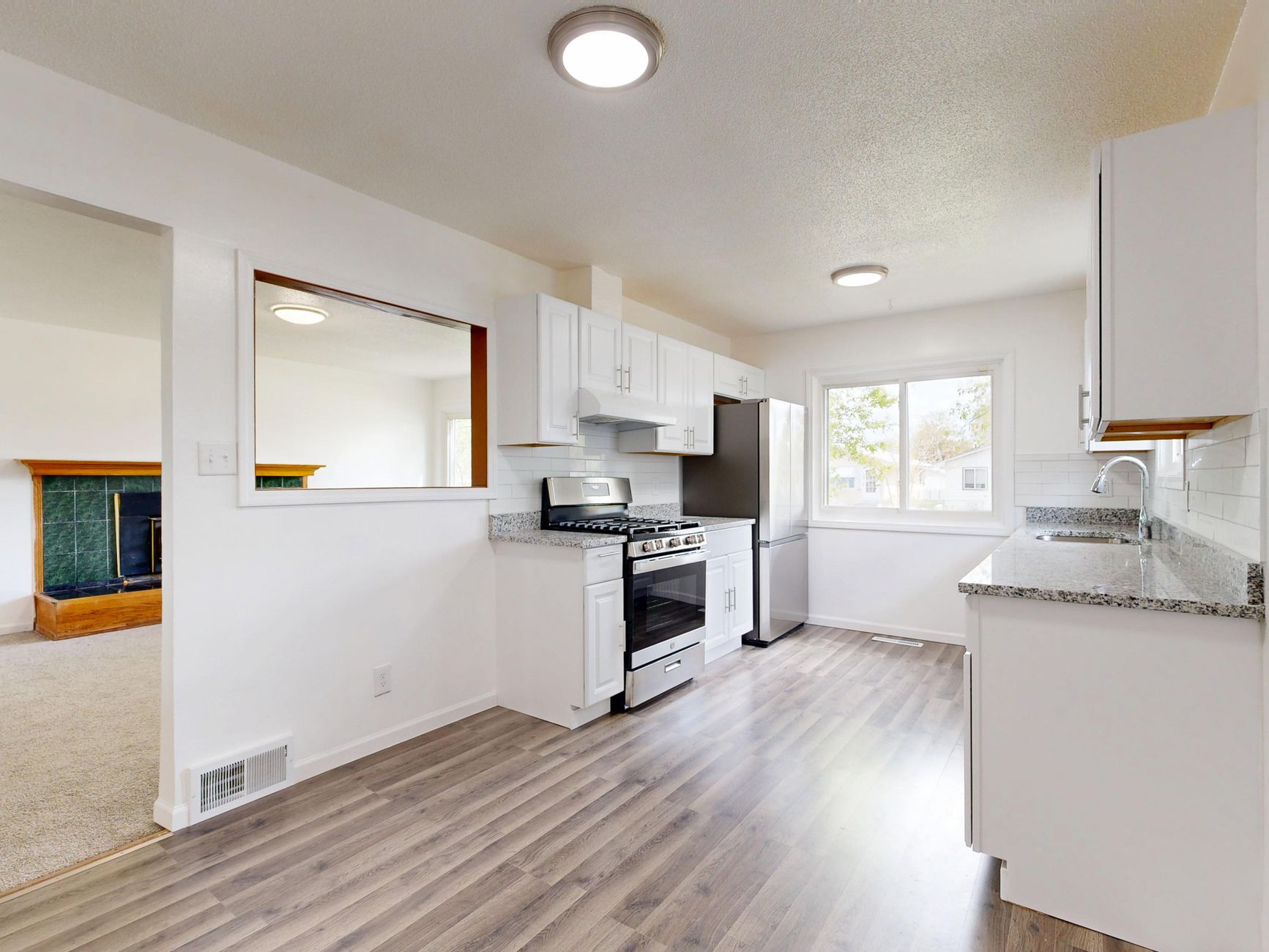
A kitchen remodel typically costs between $15,000 and $50,000, depending on the scope of work, materials chosen, and local labor rates. Most homeowners get the best return on investment by focusing on functional layout changes, high-quality cabinetry, and modern energy-efficient appliances, improvements that pay off both at resale and every single day you cook.
Kitchen Remodel Costs and Budget Allocation
Budgeting well means knowing exactly where your money goes before a single cabinet gets pulled. Unexpected costs come up constantly, so set aside 15% of your total budget as a contingency, that buffer will save you more than once before the project wraps up.
Defining Your Scope
First, decide whether you want a cosmetic refresh, painting cabinets, swapping hardware, updating fixtures, or a full gut remodel. Cosmetic updates are far cheaper and efficienter. Moving plumbing or electrical systems is a completely different beast, and it's where budgets balloon efficient.
Allocating the Budget
Labor typically eats up 30% to 35% of your total remodel budget. After that, cabinets and countertops claim the largest share of material costs, followed by new appliances and lighting. Know those numbers upfront and you'll avoid ugly surprises at the finish line.
The Value of Whole Home Remodel Coordination
Starting a kitchen remodel is a smart moment to think about your whole home strategy. Coordinating design choices across rooms keeps the finished result feeling intentional rather than patched together from different eras of renovation.
Connecting Spaces
An open-concept kitchen flows directly into living and dining areas. When flooring, paint colors, and lighting choices carry through those connected spaces, the visual flow improves dramatically, and the home feels bigger than its actual square footage.
Timing Your Projects
Running a kitchen remodel alongside a bathroom remodel can consolidate labor costs meaningfully. Contractors frequently offer discounts when they're handling multiple rooms on the same job, so ask directly. Most won't advertise it, but they'll negotiate.
Essential Steps for Kitchen and Home Maintenance
Good maintenance extends the life of your new surfaces and appliances well beyond what neglect allows. Once construction wraps up, build a simple routine for cleaning and minor upkeep, your investment deserves that follow-through.
Appliance Care
Read the manuals. Seriously. Many high-end ranges and refrigerators need annual filter changes or vent cleanings to keep running efficiently, and skipping those steps voids warranties efficienter than you'd expect.
Surface Protection
Stone countertops and hardwood floors each need specific care products. Using the wrong cleaner strips protective seals and causes permanent staining or water damage. Always follow the manufacturer's guidelines, there's no shortcut worth that kind of repair bill.
Yard and Exterior Integration
Some kitchen remodels include adding an exterior door for better backyard access. That change can trigger a need for updated yard maintenance or fence repair, depending on how the new layout connects your home to the outdoor space.
| Project Type | Average Cost Range | Typical Timeline |
|---|---|---|
| Cosmetic Kitchen Refresh | $5,000 - $15,000 | 1-3 Weeks |
| Mid-Range Kitchen Remodel | $20,000 - $45,000 | 4-8 Weeks |
| High-End Custom Remodel | $50,000+ | 3-6 Months |
| Bathroom Remodel | $10,000 - $30,000 | 2-5 Weeks |
Addressing Common Home Repairs During Renovation
A kitchen remodel has a way of exposing problems you didn't know existed. Outdated electrical wiring and failing plumbing behind walls show up constantly once demo begins, and those issues need fixing before any finish work can happen.
Electrical and Plumbing Updates
Bringing systems up to current standards protects both your safety and your insurance coverage. In older homes, anything built before 1980 in Florida, for example, plan to replace at least some wiring to handle the higher demand of modern appliances like induction cooktops and smart refrigerators.
Structural Considerations
Removing a wall to open up the floor plan is one of the most popular remodel moves. But that wall might be load-bearing. Get a professional engineering assessment done first, swinging a sledgehammer without that confirmation is an expensive mistake.
Frequently Asked Questions About Kitchen Remodeling
What is the most expensive part of a kitchen remodel?
Cabinetry is almost always the biggest line item, typically accounting for 30% to 40% of the total budget. That includes base and wall cabinets, plus specialized organizers and hardware, costs that add up quickly when you start customizing.
Should I do a bathroom remodel at the same time?
Yes, handling both projects together saves real money on contractor mobilization fees and cuts down the total time you spend living in a construction zone. It's one of the most practical ways to stretch your renovation budget.
How do I increase the ROI of my kitchen?
Focus on functional upgrades, an island, better lighting, and neutral high-quality finishes. Those features appeal to the widest range of future buyers and hold their value far better than trendy design choices that date quickly.
Do I need permits for a kitchen remodel?
Most jurisdictions require permits when you're moving plumbing, electrical, or gas lines, or changing the structural footprint of the kitchen. In Florida, cities like Jacksonville, Orlando, and Tampa all enforce this, don't skip the permit process to save time. It costs more to fix later.
How long does the average kitchen remodel take?
Plan on four to eight weeks for a typical project, though supply chain lead times on cabinetry, often six to twelve weeks from order to delivery, can push that timeline out significantly if you don't order early.
Is it better to hire a designer or a contractor?
Most homeowners benefit from both. A designer handles layout and aesthetic decisions; a contractor manages construction and make sures everything meets local building codes. They work best as a team, not as substitutes for each other.
A kitchen remodel is a major undertaking, and the homeowners who get it right are the ones who prepare thoroughly and set clear expectations from day one. Prioritize your budget, hire qualified professionals for necessary repairs, and design with long-term durability in mind. Do that, and you'll end up with a kitchen that performs as well as it looks for years to come.