
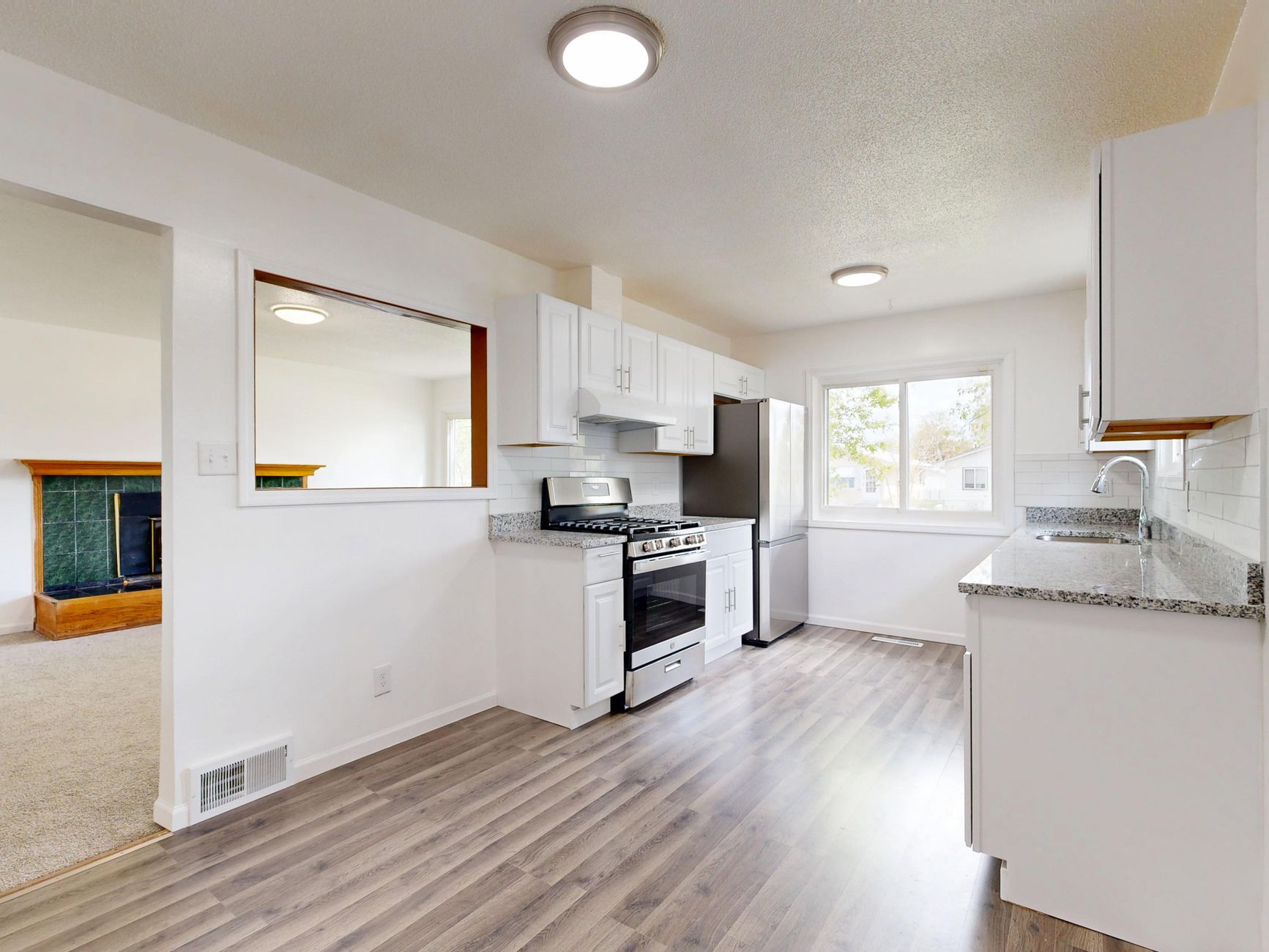
A kitchen remodel typically runs anywhere from $15,000 for minor updates to over $100,000 for complete structural overhauls, depending on finishes and layout changes. The project demands coordinating contractors, selecting materials, and tackling essential home repairs or utility upgrades during the demolition phase, all at once.
Factors That Drive Kitchen Remodel Costs and Timelines
Getting a clear picture of your financial scope is the first real step in any renovation. Most homeowners find that cabinet costs, countertop materials, and labor fees eat up the bulk of the budget. Before breaking ground, separate your "needs" from your "wants", scope creep is the single most common reason projects blow past their original number.
The Impact of Material Selection
Your cabinet choice alone, stock, semi-custom, or fully custom, can swing your budget by tens of thousands of dollars. High-end natural stone countertops hold up beautifully, but they require professional installation; you can't just drop them in yourself. Beyond cabinets and counters, budget for hardware, flooring, and backsplash tiles. Those line items add up efficienter than most people expect and shape the overall feel of your investment.
Labor and Professional Fees
Hiring certified professionals for plumbing, electrical, and structural work isn't optional, it's essential. Skilled tradespeople make sure your space meets local safety codes. DIY work can trim costs on cosmetic tasks, but structural changes or gas line relocations belong in the hands of licensed specialists. In Florida, for instance, pulling permits for electrical and plumbing work is legally required, and inspectors will check.
How to Effectively Manage Your Whole Home Remodel Strategy
A kitchen is a big lift on its own, but many homeowners tackle a whole-home remodel in phases to keep cash flow manageable. Pairing kitchen updates with bathroom work or fence repairs can cut mobilization costs for your general contractor. When multiple areas of the home are under construction at the same time, coordination isn't just helpful, it's critical.
Planning for Utility and Appliance Integration
Before new appliances arrive, confirm your electrical panel can handle the added load. Older homes, especially those built before the 1990s, frequently need circuit upgrades to power modern induction ranges or high-capacity dishwashers. Getting your utility infrastructure current now prevents expensive maintenance calls down the road.
The Role of Preventative Home Maintenance
A renovation is the best window you'll ever have to fix deferred maintenance items. Opening walls for a new kitchen layout? Have someone inspect for water damage, mold, or outdated wiring while those surfaces are exposed. Fixing problems at that stage costs a fraction of what repairs run after everything is closed back up, and it protects your long-term property value.
| Project Type | Estimated Cost Range | Typical Timeline |
|---|---|---|
| Minor Refresh | $5,000 - $15,000 | 2-4 Weeks |
| Mid-Range Remodel | $25,000 - $55,000 | 6-10 Weeks |
| High-End Custom | $75,000+ | 3-6 Months |
Coordinating Exterior Repairs Alongside Interior Updates
Homeowners regularly fold yard maintenance or exterior projects into their interior budgets, and it makes good sense. If your new kitchen layout calls for an exterior door, that change may also require a deck adjustment or fence repair. Handling those together keeps your property looking cohesive and avoids calling contractors back for a second round.
Integrating Outdoor Living Spaces
Large sliding doors that connect your kitchen to the backyard are one of the most requested design features right now. That transition usually involves structural framing and can align naturally with patio work or pool maintenance if your property has a water feature. Wrapping everything into a single project scope cuts the total time your home stays under construction.
Prioritizing Essential Repairs
Don't spend money on designer finishes until your foundational systems are solid. Pending roof, foundation, or plumbing repairs need to come first, full stop. A stunning kitchen won't hold its value if underlying structural issues or ignored maintenance problems compromise the integrity of the home around it.
Frequently Asked Questions About Kitchen Remodeling
How long does a typical kitchen remodel take?
A moderate kitchen remodel generally runs six to ten weeks from start to finish. That window covers demolition, rough-in work for plumbing and electrical, cabinetry installation, and final finishing touches. Custom projects or jobs that involve moving structural walls can stretch to several months, plan accordingly.
Should I move my kitchen layout?
Relocating your kitchen is a major undertaking that means moving plumbing stacks and gas lines, both of which drive up labor costs significantly. If your current footprint functions well, keeping the main utility points in place is the smartest, most cost-effective way to refresh the space.
What is the most important part of a kitchen renovation?
Layout and functional flow matter more than any finish you can pick. A solid design centers on the work triangle, stove, sink, and refrigerator positioned for efficient movement. Quality cabinets matter too, since they take more daily punishment than anything else in the room.
How do I handle appliance installation safely?
Read the manufacturer specs before your appliances are delivered. High-end ranges or smart refrigerators often require specific outlet voltages or water line pressures that your contractor needs to verify well ahead of delivery day. Don't assume the existing connections will work.
Can I live in my home during the project?
Most homeowners stay put, but it takes planning. Set up a temporary kitchen in another room with a microwave, coffee maker, and the basics you reach for every day. It's inconvenient, but manageable, and far less shake upive than relocating for two months.
A successful kitchen remodel comes down to honest financial planning, the right professional support, and a willingness to handle essential home maintenance before it becomes an emergency. Focus on your specific goals, set realistic budget expectations, and you'll end up with a space that works hard for your family for years. Whether you're adding a fresh backsplash or reconfiguring the entire floor plan, staying organized and patient is what separates projects that finish well from ones that drag on forever.