
Key Takeaways
- Jacksonville pools operate 10 or more months per year, so winterization here means protection and efficiency, not full shutdown like northern climates.
- Professional pool equipment winterization in Jacksonville runs $150 to $500 depending on scope, equipment age, and pool size.
- Skipping winterization maintenance can shorten pump and filter life by years and spike your energy bills during cooler months.
- Jacksonville's humidity and mild freeze events (averaging 2 to 10 near-freeze nights per year) create specific risks that northern winterization guides simply do not address.
- WSJ Remodeling, Handyman & Pool Services is a 5.0-star rated Jacksonville pool service company with 135 verified Google reviews and thousands of completed jobs serving Ponte Vedra, Mandarin, Nocatee, St. Johns, and beyond.
If you own a pool in Jacksonville, you have probably Googled whether you even need to winterize it. Florida is warm, right? The answer is yes, you still need to prepare your pool equipment for winter, but the process looks very different from what a homeowner in Ohio or Michigan has to do. Jacksonville winters are mild but not consequence-free, and your pump, filter, heater, and chemical balance all benefit from a seasonal tune-up before temperatures start dipping.
The real cost of skipping pool equipment winterization is not the service fee you avoid. It is a burned-out pump motor in January, a cracked heater element after an unexpected cold snap, or a green pool that costs three times more to restore than a simple maintenance visit would have. For homeowners in Ponte Vedra Beach, Nocatee, Mandarin, and St. Johns, where pools are a significant part of home value, that is a risk worth taking seriously.
This guide breaks down exactly what pool equipment winterization means in a Northeast Florida context, what it costs, what mistakes to avoid, and how to make the most of your pool during the cooler months so it is ready to go the moment warm weather returns.

What Pool Winterization Actually Means in Jacksonville
In northern states, pool winterization means blowing out all the lines, plugging the returns, dropping the water level below the skimmer, and covering the pool completely until May. It is a full shutdown because the water will freeze solid and destroy everything in the plumbing if left alone.
Jacksonville is different. The city averages 233 sunny days per year, and pool season here runs at least 10 months annually. Water temperatures rarely drop below 55 degrees Fahrenheit even in the coldest weeks. That means you almost never need to drain lines or close the pool entirely.
What you do need is what professionals call a seasonal equipment service. This includes checking and adjusting chemical balance, inspecting the pump, motor, filter, and heater for wear, cleaning the filter media, lubricating fittings and O-rings, and making sure the system is running efficiently before the reduced-use months arrive. According to the Association of Pool and Spa Professionals, regular seasonal maintenance is one of the most effective ways to extend equipment life and prevent costly mid-season breakdowns.
Jacksonville does experience occasional cold snaps. The area averages between 2 and 10 nights per year where temperatures approach or briefly dip to near-freezing. That is not enough to freeze your plumbing solid, but it is enough to stress older equipment, cause heater malfunctions, and disrupt chemical balance. A proper winterization service accounts for those brief cold events.
Pool Equipment Winterization Cost Breakdown for Jacksonville Homeowners
Let us get specific about what is involved and what it costs. Every pool is different, so prices vary based on pool size, equipment age, how long it has been since the last service, and whether any repairs or upgrades are needed at the same time.
Basic Seasonal Equipment Service
This is the minimum most Jacksonville pool owners need heading into winter. It covers a full inspection of the pump, motor, filter, and plumbing connections, a chemical balance adjustment, filter cleaning or backwashing, lubrication of all rubber seals and O-rings, and a system check to confirm everything is running correctly. Expect to pay in the range of $150 to $250 for this level of service on a standard residential pool.
Intermediate Service with Heater Inspection
If your pool has a gas heater or heat pump, adding a heater inspection and tune-up is smart before winter. Heaters that sit underused for months can develop ignition issues, corrosion on heat exchangers, or pressure switch failures. Adding a heater inspection typically brings the total service cost to $250 to $375.
Comprehensive Equipment Winterization
For homeowners with automation systems, variable-speed pumps, saltwater generators, UV or ozone systems, or aging equipment that needs more attention, a full-scope winterization visit covers all of the above plus an inspection of automation controls, saltwater cell cleaning, and any minor adjustments needed. This level of service typically runs $350 to $500 and can save significantly on emergency repair calls later.
Add-On Repairs and Replacements
Sometimes a winterization visit uncovers issues that need fixing. Worn pump seals, failing capacitors, corroded wiring connections, or a cracked filter housing are common findings on pools that have not had recent professional attention. Repair costs vary widely, but catching these during a planned maintenance visit rather than an emergency call saves both money and stress.
According to Energy Star, upgrading to a variable-speed pool pump can reduce energy consumption by up to 70 percent compared to single-speed models. If your pump is more than 8 to 10 years old, a winterization visit is a good time to discuss whether replacement makes sense before another season begins.

Common Mistakes Jacksonville Homeowners Make
Treating Jacksonville Like a Northern Climate
Some homeowners read generic winterization guides online and start draining water out of their pools, plugging returns, and covering everything up tight. In Jacksonville, this is unnecessary and can actually cause problems. Draining a pool partially or fully in Florida exposes the shell to ground pressure, which can crack gunite or pop a fiberglass pool out of the ground. Keep your water level normal and your equipment running on a reduced schedule instead.
Ignoring Pool Chemistry During Winter
Because Jacksonville pools stay open year-round, chemistry does not go on pause in December. Cooler water changes how chlorine and other chemicals behave. Many homeowners over-chlorinate in winter thinking they need less maintenance, which actually causes damage to liner surfaces, fittings, and metal components. The EPA's Safer Choice program offers guidance on proper pool chemical use and storage that is worth reviewing regardless of season.
Running the Pump on the Same Schedule Year-Round
During summer in Jacksonville, your pump may need to run 8 to 12 hours a day to handle heat, UV, bather load, and evaporation. In winter, with less use and cooler temperatures, running the same schedule wastes electricity. Adjusting your pump's run time to 4 to 6 hours daily during winter months is appropriate for most pools here and can reduce your energy costs noticeably from December through February.
Skipping Heater Maintenance Until Something Breaks
Jacksonville homeowners who heat their pools tend to use that heater hard during the 8 to 12 weeks of cooler weather each year, then ignore it the rest of the time. A heater that sits unused for months and then gets called on suddenly in a cold snap is much more likely to fail. Annual heater inspections, ideally done before the first cold front rolls through in late November, catch issues before they strand you with a cold pool.
Waiting Too Long to Schedule Service
October and November are the busiest months for pool service companies across the Jacksonville area. Homeowners who wait until December often find themselves on a two to three week waitlist. Scheduling your seasonal equipment service in September or early October gets you ahead of the rush and gives you time to address any repairs before the weather changes.
DIY vs. Hiring a Professional in Jacksonville
This is a fair question, and the honest answer is that some winterization tasks are genuinely DIY-friendly, while others really benefit from professional equipment and trained eyes.
What Most Homeowners Can Do Themselves
Adjusting pool chemistry, clearing debris from skimmer baskets and pump strainer baskets, hosing off the equipment pad, and reducing the pump's run time schedule are all reasonable DIY tasks. If you are comfortable with your pool system, you can also visually inspect hose connections for cracking or leaks and check that your auto-fill valve is working properly.
Where a Professional Makes a Clear Difference
Inspecting pump motor bearings, testing capacitors, checking heater heat exchangers for corrosion, cleaning filter media correctly (especially cartridge systems where improper cleaning causes damage), inspecting salt cells, and diagnosing automation system errors all require either specialized tools or knowledge that comes from seeing hundreds of pools. Getting these wrong can cause more damage than the repair would have cost.
The team at WSJ Remodeling, Handyman & Pool Services has a 5.0-star Google rating built on 135 verified customer reviews and thousands of completed jobs across the Jacksonville area. That track record reflects the kind of thorough, trustworthy service that homeowners in Ponte Vedra, Mandarin, Fleming Island, and Nocatee have come to rely on for their most important home systems.
Our recommendation for most Jacksonville pool owners: handle the routine weekly and monthly maintenance yourself, and bring in a professional for the seasonal inspection and equipment service once or twice a year. That combination protects your investment without being unnecessarily expensive.
For homeowners who enjoy hands-on projects, our Mechanic Services team can also help assess equipment condition and walk you through what your system needs before winter arrives.
What to Expect: Cost Breakdown for Jacksonville
Here is a summary of realistic price ranges for pool equipment winterization services in the Jacksonville area. These are investment figures, not just expenses. Properly maintained pool equipment lasts longer, runs more efficiently, and adds to the resale value of your home.
| Service | Typical Cost Range |
|---|---|
| Basic seasonal equipment inspection and chemical adjustment | $150 to $250 |
| Filter cleaning (cartridge or DE) | $75 to $150 |
| Heater inspection and tune-up | $100 to $175 |
| Salt cell cleaning and inspection | $75 to $125 |
| Comprehensive winterization package (all of the above) | $350 to $500 |
| Minor repairs discovered during service (seals, O-rings, fittings) | $50 to $200 additional |
| Variable-speed pump upgrade (if recommended) | $800 to $1,800 installed |
Think of your pool equipment the same way you think of your HVAC system. A $200 to $400 annual maintenance visit is a fraction of the cost of a $1,500 motor replacement or a $3,000 heat exchanger repair. Jacksonville homes with pools command a premium on the resale market, particularly in neighborhoods like Nocatee, St. Johns, and Ponte Vedra Beach. Protecting that asset with proper seasonal care makes real financial sense.
Homeowners in Ponte Vedra and Mandarin often pair pool equipment winterization with broader pre-winter home maintenance. If your home needs any structural or exterior attention alongside your pool service, our Carpentry Services team handles everything from deck boards around pool areas to fencing and trim repairs.
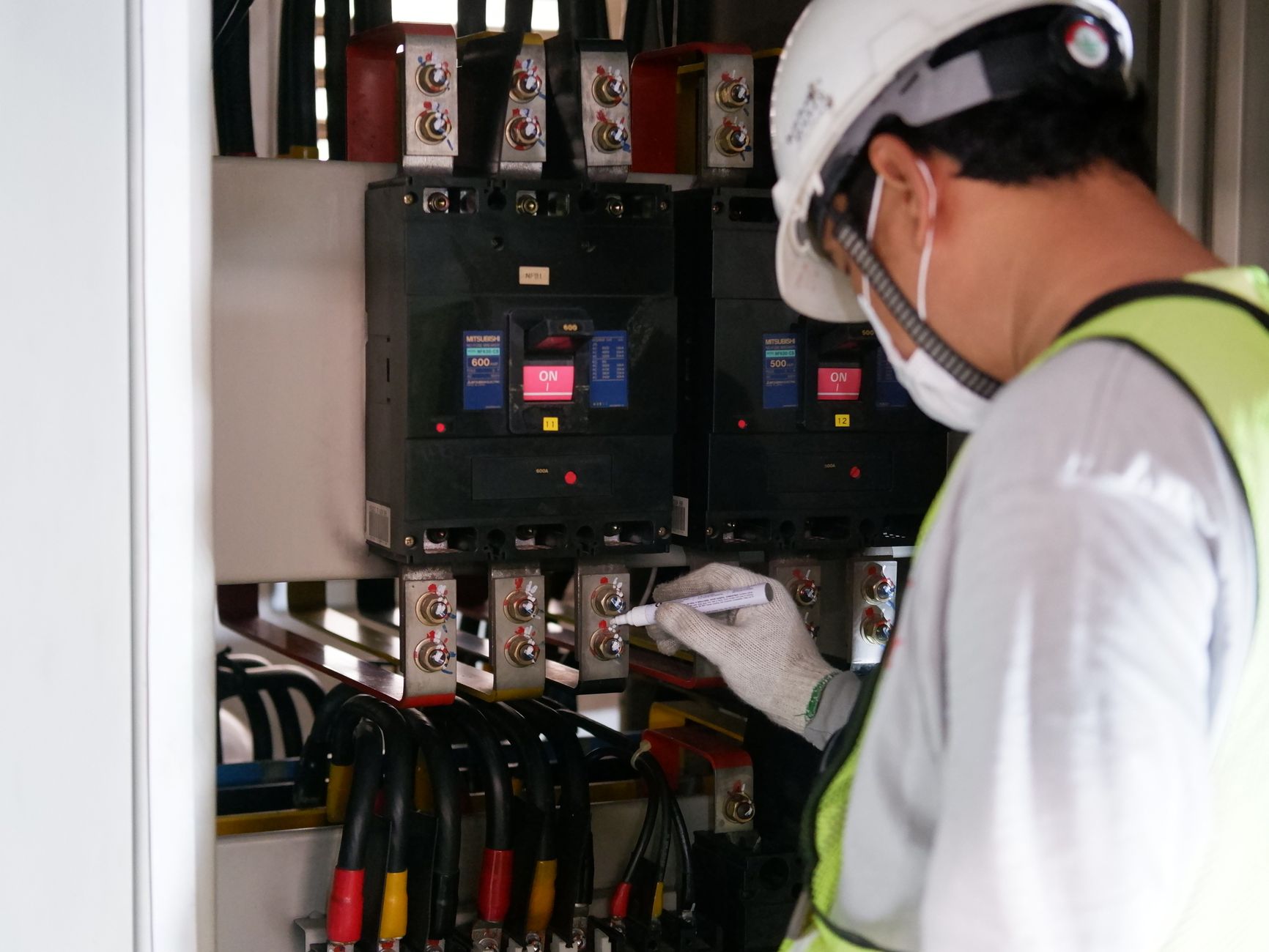
Pro Tips from Our Jacksonville Team
After thousands of completed pool service jobs across the Jacksonville area, our team has seen what separates well-maintained pools from problem ones. Here are the insider insights we share with our customers.
Schedule Before the First Cold Front, Not After
Jacksonville's first significant cold front of the year typically arrives in October or November. That is when heaters get turned on for the first time in months and problems reveal themselves. Schedule your equipment service in September to stay ahead of this. You will get faster scheduling, and any repairs needed can be completed before you actually need the heater running.
Check Your Freeze Protection Settings
Most modern pool automation systems have a freeze protection mode that automatically runs the pump when temperatures drop near freezing. If yours does not, or if the sensor is not calibrated correctly, you could experience equipment damage during one of Jacksonville's occasional cold snaps. Verify this setting is active and accurate every fall. The Florida Building Commission includes requirements for freeze protection in pool equipment installations across the state.
Do Not Over-Shock Your Pool Before Stepping Back for Winter
Some homeowners hit the pool with a heavy shock treatment at the end of summer and then check out for a few months. In Jacksonville, where the pool stays open, this creates a period of unstable chemistry that can damage your salt cell, bleach your liner, and corrode metal fittings. Maintain regular chemistry checks through the winter, just at a slightly reduced frequency since UV and bather load are lower.
Look at Your Energy Bills in January
Your pool pump is one of the largest energy consumers in your home. If your January electric bill does not drop compared to summer months after you have reduced pump run time, something may be wrong. A pump running harder than it should due to a clogged filter, air leak, or failing impeller will show up in your JEA energy bill before it shows up as a visible breakdown. Use your utility bill as an early warning system.
Clear the Equipment Pad Area Each Fall
Jacksonville's humidity means that vegetation and debris accumulate around equipment pads faster than in drier climates. Leaves, mulch, and overgrown plants trap moisture against pump housings and electrical connections, accelerating corrosion. Clear at least 18 inches of clear space around all equipment at the start of fall, and make sure there is adequate airflow around your heat pump if you have one.
Ask About Filter Replacement, Not Just Cleaning
Cartridge filters have a lifespan, typically 2 to 5 years depending on pool use and maintenance frequency. A filter that looks acceptable but has degraded media is actually reducing your system's efficiency and water clarity without giving you any obvious sign that it is failing. Have your technician assess filter media condition, not just clean it. Replacing a filter at the right time is far cheaper than the repairs a struggling pump makes trying to push water through clogged media.
We also serve homeowners throughout Fleming Island, Jacksonville Beach, and Orange Park who need seasonal pool equipment service alongside other home maintenance needs.
Frequently Asked Questions
Do I really need to winterize my pool in Jacksonville if it stays warm here?
Yes, though the process is different from what northern homeowners do. Jacksonville's mild winters do not require draining lines or covering the pool completely, but your equipment still benefits from a seasonal inspection, chemical balance adjustment, and tune-up before the cooler months arrive. Heaters, pumps, and filters that go unchecked from summer through winter are more likely to fail during the brief cold snaps that Jacksonville does experience. Think of it less as closing your pool and more as preparing it to run efficiently at lower demand. A seasonal service visit also gives a professional the chance to catch developing problems before they become expensive emergencies in January or February.
How much does pool equipment winterization cost in Jacksonville?
A basic seasonal equipment inspection with chemical adjustment typically runs $150 to $250 for a standard residential pool in the Jacksonville area. If you add filter cleaning, heater inspection, and salt cell service, a comprehensive package will generally fall in the $350 to $500 range. Additional repairs uncovered during the visit are extra and depend on what is found. These costs vary by pool size, equipment age, and how recently the pool last had professional attention. Comparing these figures to the cost of an emergency pump replacement ($500 to $1,500) or a new heater ($1,500 to $3,500) makes the case for routine maintenance clear.
When is the best time of year to schedule pool winterization in Jacksonville?
September and early October are ideal. Jacksonville's first meaningful cold fronts typically arrive in late October or November, and pool service companies get very busy once temperatures start dropping and homeowners realize their heaters are not working. Scheduling in September means you get priority booking, your equipment is inspected before it is put to the test, and any needed repairs can be completed without rushing. Waiting until December often means a two to three week wait for a service appointment, which is frustrating if something is actually wrong with your equipment heading into the coldest months.
How do I choose a reliable pool equipment service company in Jacksonville?
Start with Google reviews and look for companies with a substantial number of verified reviews, not just a handful. Check that the company has experience with Jacksonville's specific climate conditions, since advice calibrated for northern climates does not always translate well here. Ask whether their technicians carry state licensing for pool servicing and whether they are familiar with your specific equipment brand. A good service company will also give you a written estimate before beginning work and explain what they found and why each item matters. Companies with long track records and local community presence tend to deliver more consistent service than transient or franchise operations.
Can Jacksonville's occasional cold snaps actually damage pool equipment?
Yes, particularly for heaters, automation sensors, and older plumbing fittings. While a full pipe freeze is uncommon in Jacksonville, temperatures that dip into the mid-30s Fahrenheit for several hours can stress heater heat exchangers, cause automation freeze sensors to malfunction, and put extra load on a pump that has to push water that is slightly more viscous than usual. PVC fittings and unions that have micro-cracks from years of UV exposure can also fail under brief temperature stress. Having these components inspected before winter catches vulnerabilities before they become cold-weather failures. According to the Florida Department of Health, properly maintained pool systems also contribute to better water safety year-round.
Should I reduce my pump run time during winter in Jacksonville?
For most pools, yes. During summer, your pump may need to run 8 to 12 hours daily to manage heat, UV, algae risk, and bather load. In winter, with cooler temperatures, less UV intensity, and reduced pool use, running the pump 4 to 6 hours per day is usually adequate for most standard residential pools. Variable-speed pumps make this adjustment easy through programming. Single-speed pumps may need a manual timer adjustment. Reducing run time appropriately during winter saves energy without compromising water quality, and your winterization service technician can recommend the right schedule for your specific pool size and equipment.
What warning signs mean I need pool equipment service right now, not just for winter prep?
Several signs indicate you should call a professional promptly rather than waiting for a scheduled seasonal visit. These include unusual noise from the pump (grinding, screeching, or rattling), the pump losing prime frequently, visible water leaks around the equipment pad, the heater failing to ignite or cycling off quickly, green or cloudy water that does not respond to chemical treatment, or a sudden increase in your energy bill without a change in run time. Error codes on automation displays and tripped circuit breakers are also signals of equipment stress that need professional diagnosis. Catching these issues early nearly always costs less than waiting until the equipment fully fails.
Does winterization affect pool water chemistry, and what should my levels be heading into winter?
Yes, chemistry needs adjustment for the winter season. Cooler water affects how quickly chlorine dissipates and how pH drifts. Heading into Jacksonville's cooler months, you want your pH in the 7.4 to 7.6 range, total alkalinity around 80 to 120 parts per million, calcium hardness between 200 and 400 parts per million, and free chlorine between 1 and 3 parts per million. If you use a saltwater system, the salt level should be checked and adjusted since cold water affects how efficiently the salt cell generates chlorine. A professional winterization service will test and balance all of these parameters as part of the visit. The Consumer Product Safety Commission also offers guidance on safe pool chemical handling practices for homeowners who manage their own chemistry.
Ready to Get Started?
Schedule Your Pool Equipment Winterization in Jacksonville
Your pool is one of the most valuable features of your Jacksonville home. Protecting it with a professional seasonal equipment service before winter keeps your system running efficiently, extends equipment life, and means you are not scrambling for emergency repairs when the first cold front hits.
WSJ Remodeling, Handyman & Pool Services is a 5.0-star rated home services company based in Jacksonville, FL, with 135 verified Google reviews and thousands of completed jobs across Northeast Florida. Our pool service team knows Jacksonville's climate, the equipment common in local pools, and exactly what needs attention before the cooler months arrive.
We proudly serve homeowners throughout Jacksonville, Ponte Vedra Beach, Mandarin, Nocatee, St. Johns, Fleming Island, and surrounding communities.
Call us at (904) 747-8788 to speak with our team and schedule your winterization service. You can also Request a Free Estimate online and we will get back to you promptly.
WSJ Remodeling, Handyman & Pool Services | 7643 Gate Parkway, Suite 104-1230, Jacksonville, FL 32256 | (904) 747-8788 | (904) 747-9636
We are also hiring. If you are an experienced home services professional in the Jacksonville area, visit our Careers page to see open positions.