
Quick Answer: Jacksonville homeowners should follow a year-round pool maintenance schedule that shifts in intensity with Florida's seasons. With Jacksonville averaging over 233 sunny days per year and pools actively used 10 or more months annually, skipping seasonal maintenance leads to algae blooms, equipment failure, and costly repairs. A consistent weekly, monthly, and seasonal routine keeps your pool safe, clear, and cost-effective.
Key Takeaways
- Jacksonville pools require year-round care, not just summer maintenance, due to Florida's warm, humid climate.
- Weekly chemical balancing, monthly equipment checks, and quarterly deep cleanings form the foundation of a solid routine.
- Florida's rainy season (June through September) is the highest-risk period for algae and pH imbalance.
- Professional pool service in Jacksonville typically runs $100 to $250 per month depending on pool size and service level.
- Catching small problems early, such as a failing pump seal or a cracked tile, prevents repairs that can cost thousands of dollars.
Owning a pool in Jacksonville is one of life's genuine pleasures. Whether you're in a Nocatee neighborhood with a screened lanai or a Mandarin home with a sprawling backyard oasis, that pool gets used constantly. The flip side is that Northeast Florida's climate, warm temperatures, intense UV exposure, and a rainy season that dumps 50-plus inches of water per year, puts serious demands on pool water chemistry and equipment.
This guide was put together by the pool service team at WSJ Remodeling, Handyman & Pool Services, based in Jacksonville at 7643 Gate Parkway, Suite 104-1230. We've maintained and repaired pools across Ponte Vedra Beach, St. Johns, Fleming Island, Southside Jacksonville, and beyond. What you'll find below is the same practical advice we give our own customers, organized month by month and season by season so you always know what to do next.

What Jacksonville Pool Owners Need to Know About Florida's Climate
Florida's climate is unlike anywhere else in the country, and that uniqueness shapes everything about pool ownership here. Jacksonville sits in Northeast Florida, which gives it a slightly more temperate climate than South Florida, but make no mistake: summers are brutal, humidity is constant, and the sun is intense from March through October.
According to the Florida Department of Health, properly maintained residential pools are one of the most important safety and health considerations for Florida homeowners, given how frequently families use them. Poorly balanced water isn't just unpleasant; it can harbor bacteria and algae that pose real health risks.
Here are the climate factors that directly affect your pool maintenance schedule in Jacksonville:
- UV intensity: Strong UV rays break down chlorine faster here than in northern states. You may need to adjust your chlorine dosage upward during peak summer months.
- Rainy season: From June through September, Jacksonville receives the bulk of its annual rainfall. Heavy rain dilutes chemicals, drops pH, and introduces organic debris that feeds algae.
- Humidity and heat: High humidity slows evaporation but encourages algae growth, particularly in shaded pools.
- Mild winters: Unlike northern states, Jacksonville pools rarely need to be winterized in the traditional sense. Water temperatures may dip into the 50s in January and February, but full pool closures are almost never necessary.
Understanding these factors means your maintenance approach needs to be proactive, not reactive. The goal is to stay ahead of the chemistry rather than constantly chasing problems after they appear.
The Complete Seasonal Pool Maintenance Schedule for Jacksonville
Because Jacksonville's climate doesn't follow a traditional four-season pattern, this guide breaks the year into five phases that actually reflect what your pool experiences in Northeast Florida.
Phase 1: Early Spring Prep (March through April)
March is when pool use starts picking up quickly in Jacksonville. Families are back in the water by late March, and water temperatures climb fast. This is the time to transition your pool from its lighter winter routine to full active-season maintenance.
What to do:
- Perform a full water chemistry test. Check pH (target 7.4 to 7.6), total alkalinity (80 to 120 ppm), calcium hardness (200 to 400 ppm), and free chlorine (1 to 3 ppm).
- Inspect and clean the filter. If you have a sand filter, this is a good time for a backwash cycle. Cartridge filters should be removed, rinsed, and inspected for tears.
- Check pump and motor operation. Listen for unusual sounds, check for leaks around the pump housing, and verify that flow rates are normal.
- Brush pool walls and floor thoroughly. Even if the water looks clear, winter can leave calcium deposits and early-stage algae spots on surfaces.
- Inspect pool lights, skimmer baskets, and return jets for any damage that occurred over winter.
Phase 2: Peak Summer Maintenance (May through September)
This is the most demanding period for Jacksonville pool owners. You're fighting heat, UV, rain, heavy bather load, and organic debris all at once. Skipping even a week of maintenance during this phase can result in a green pool that takes significant time and money to recover.
Weekly tasks during summer:
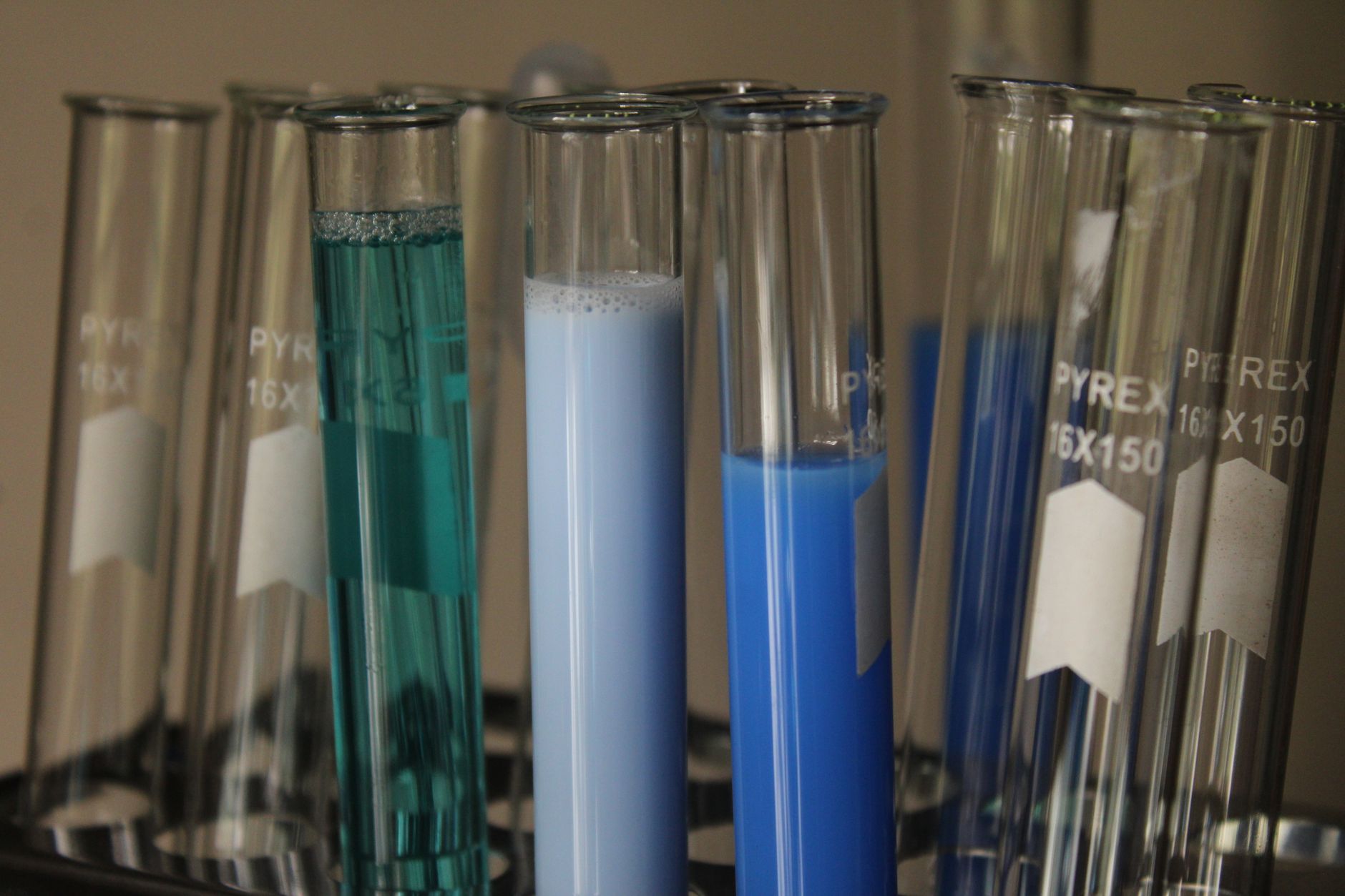
- Test water chemistry two to three times per week, not just once. The combination of heat, UV exposure, and daily use throws levels off faster than you expect.
- Shock your pool weekly with a dose of calcium hypochlorite or sodium dichloro, particularly after heavy rain or a large pool party.
- Skim the surface daily if possible. Oak leaves, pine needles, and pollen are constant in Jacksonville neighborhoods.
- Vacuum the pool floor at least once per week. Settled debris feeds algae growth on the pool surface.
- Check and clean skimmer baskets every two to three days during rainy season.
According to the Association of Pool and Spa Professionals, proper water chemistry, particularly maintaining correct free chlorine and pH levels, is the single most effective way to prevent recreational water illnesses and pool deterioration. During Jacksonville's rainy season, testing frequency really does make the difference between a beautiful pool and a green swamp.
One thing Jacksonville homeowners often overlook during summer: after a significant rain event, add a clarifier or algaecide as a preventative measure. Rainwater is slightly acidic and introduces organic material that drops your pH and feeds algae simultaneously.
Phase 3: Early Fall Transition (October through November)
October brings genuine relief to Jacksonville. Temperatures drop into the 70s and 80s, humidity eases, and pool use typically decreases. This is actually one of the best times to swim in Florida, and it's also the best time to catch up on any maintenance that got away from you over summer.
What to do in early fall:
- Perform a comprehensive equipment inspection. This is the right time to address any repairs, since pool professionals tend to be less booked in fall than in peak summer.
- Balance your water chemistry for lower bather loads. You can often reduce your chlorine dosage slightly as UV intensity decreases and usage drops.
- Clean or replace your filter media if you haven't done so in 12 months. Sand filters benefit from a fresh charge every three to five years.
- Check for tile and grout damage. Summer's heat expansion and heavy use can loosen tiles or crack grout lines, especially along the waterline.
- Inspect your pool heater if you have one. Running it for a short test cycle before you actually need it in winter is smart preventative care.
Homeowners in communities like Ponte Vedra Beach and St. Johns with salt water pools should pay particular attention to their salt chlorine generators in fall. These units work differently as water temperatures drop, and salt levels need to be verified before transitioning to a reduced winter schedule.
Phase 4: Mild Winter Maintenance (December through February)
Here's what makes Jacksonville genuinely different from the rest of the country: you almost never close your pool in winter. The water temperature may drop to 55 or 60 degrees in January, which is too cold for comfortable swimming, but the pool still needs active maintenance.
Winter maintenance essentials:
- Test water chemistry every one to two weeks rather than multiple times per week. Lower temperatures slow algae growth but don't eliminate it.
- Run your pump and filter for at least six to eight hours per day, even in winter. Stagnant water leads to algae and mineral buildup.
- Keep chlorine levels slightly elevated heading into cold snaps. When water temperatures drop below 65 degrees, algae metabolism slows but doesn't stop.
- During rare freezes, run your pump continuously overnight to prevent pipe damage. Jacksonville does see occasional nights below 32 degrees, and moving water is less likely to freeze.
- Maintain proper water level. Winter evaporation is slower, but heavy rain can raise the water level above the skimmer and reduce filtration efficiency.
Homeowners in Mandarin and Fleming Island should note that these inland areas can see slightly colder overnight temperatures than coastal communities. A pool thermometer and a weather monitoring habit will serve you well through December and January.
Phase 5: Late Winter Reset (February through Early March)
By mid-February, Jacksonville starts warming up again. This two to four week window before the spring swim season is the ideal time to give your pool a proper reset before the busy months begin again.
Schedule a professional inspection during this window. Have the equipment serviced, a full chemical analysis done, and any deferred repairs addressed. Walking into spring with a pool that's fully operational and properly balanced saves money and frustration throughout the entire peak season.
Common Mistakes Jacksonville Homeowners Make
After servicing pools across Jacksonville, Nocatee, Southside, and surrounding areas, our team sees the same preventable problems come up again and again. Here are the ones that cost homeowners the most money.
Mistake 1: Testing Chemistry Once a Week and Calling It Done
Once-weekly testing might be adequate in a northern climate where pools are used lightly. In Jacksonville during summer, a pool can go from perfectly balanced to dangerously low chlorine in 48 to 72 hours after a heavy rain or a busy weekend. Testing two to three times per week from May through September isn't excessive; it's necessary.
Mistake 2: Ignoring the Filter Until There's a Problem
Your filter is the workhorse of your pool system, and it rarely announces problems loudly before they become serious. A clogged or compromised filter allows fine particles and algae spores to recirculate rather than being removed. Check your filter pressure gauge weekly. When pressure runs 8 to 10 psi above your clean baseline, it's time to clean or backwash.
Mistake 3: Over-shocking After a Green Pool Situation
When homeowners discover a green pool, the instinct is to dump in massive amounts of shock and hope for the best. Over-shocking without first adjusting pH can actually make the situation worse. Chlorine becomes significantly less effective when pH is above 7.8, so all that shock may accomplish very little. The correct approach is to lower pH to around 7.2 first, then shock, then run the filter continuously until the water clears.
Mistake 4: Skipping Maintenance in Winter
Because Jacksonville winters are mild, it's easy to think the pool is on pause. But algae doesn't take a winter vacation in Northeast Florida. Homeowners who drop testing to once a month in December often come back in March to a pool that needs thousands of dollars in remediation. Reduce your maintenance schedule in winter, but don't abandon it.
Mistake 5: Neglecting Equipment Until It Fails
A pool pump costs between $400 and $1,200 to replace, including labor. A simple seal replacement or impeller cleaning might cost $75 to $150 if you catch the problem early. Most pump failures give warning signs: unusual noise, reduced flow, visible leaking around the housing. Catching these early keeps small maintenance costs from turning into emergency replacement bills. The Consumer Product Safety Commission also notes that proper pool equipment maintenance, particularly functioning drain covers and circulation systems, is directly tied to pool safety.
DIY vs. Hiring a Professional in Jacksonville
This is an honest conversation, because the right answer depends on your pool, your schedule, and your comfort level with chemistry and mechanical systems.
What You Can Reasonably DIY
Weekly skimming, vacuuming, and basic chemical testing are tasks most homeowners can handle confidently. Purchasing a reliable digital test kit (not the cheap strip tests) and learning to read results accurately takes an afternoon of effort and pays off every week. Cleaning skimmer baskets, backwashing a sand filter, and brushing pool walls are also straightforward tasks for an engaged homeowner.
If you're disciplined about your weekly routine and you enjoy the process, DIY pool maintenance can save you $100 to $200 per month during the active season.
When to Call a Professional
Equipment repairs, persistent algae problems, significant chemistry imbalances, and annual equipment inspections are better handled by a professional. Pool chemistry involves more variables than most homeowners realize. Calcium hardness, cyanuric acid levels, total dissolved solids, and phosphate concentrations all interact with each other. A professional can identify a chronic problem (such as elevated phosphates feeding recurring algae) that a basic home test kit won't catch.
WSJ Remodeling, Handyman & Pool Services holds a 5.0-star Google rating based on 135 verified customer reviews, with thousands of completed jobs across the Jacksonville area. That reputation comes from giving honest assessments, not upselling services people don't need. When our team recommends professional service versus DIY, it's based on what genuinely makes sense for that specific pool and homeowner.
For homeowners in San Marco and Southbank or Jacksonville Beach with older pools, we generally recommend professional service for anything involving plumbing, electrical connections to lighting or pumps, or resurfacing work. Older pool infrastructure in established Jacksonville neighborhoods can have surprises that require experience to navigate safely.
The Hybrid Approach
Many Jacksonville pool owners do their own weekly maintenance and bring in a professional for a monthly visit or a quarterly deep service. This hybrid model captures most of the cost savings of DIY while ensuring that equipment gets professional eyes on it regularly. It's a practical middle ground that works well for busy families in communities like Nocatee or St. Johns where pools get heavy use.
What to Expect: Cost Breakdown for Jacksonville
Pool maintenance costs vary based on pool size, equipment type, service frequency, and the condition of the pool. Here are realistic ranges based on what Jacksonville homeowners actually pay.
Monthly Professional Maintenance Service
- Basic chemical service (chemicals and testing only): $75 to $125 per month
- Full-service maintenance (chemicals, cleaning, equipment check): $130 to $250 per month
- Premium service for larger pools or salt water systems: $200 to $350 per month
Common Repairs and One-Time Services
- Green pool remediation and algae treatment: $150 to $400 depending on severity
- Pool filter cleaning or media replacement: $75 to $250
- Pump seal replacement: $100 to $200
- Pump motor replacement: $350 to $700 including labor
- Full pump replacement: $500 to $1,200
- Pool heater service: $100 to $300
- Tile cleaning and acid wash: $200 to $600 depending on pool size
Annual Equipment and Chemical Costs for DIY Owners
- Chemicals (chlorine, pH adjusters, shock, algaecide): $600 to $1,200 per year for a typical Jacksonville pool
- Test kit supplies and reagents: $50 to $100 per year
- Routine equipment parts (skimmer baskets, brushes, vacuum heads): $50 to $200 per year
Think of pool maintenance spending as protecting your home's value. A well-maintained pool adds meaningful equity to a Jacksonville home, particularly in markets like Ponte Vedra Beach and Nocatee where outdoor living is a major selling point. Neglected pools, by contrast, can become a liability that buyers negotiate against aggressively. The National Association of Home Builders consistently identifies outdoor amenities, including pools, as high-value features for Florida home buyers when properly maintained.
For homeowners considering energy efficiency improvements, upgrading to a variable-speed pump can reduce pool-related energy costs by 50 to 75 percent. The Energy Star program certifies qualifying pool pumps, and Jacksonville Electric Authority (JEA) occasionally offers rebates for energy-efficient pool equipment upgrades. Checking JEA's current rebate programs before purchasing new equipment is always worth the effort.
Pro Tips from Our Jacksonville Team
These are the tips that come from years of servicing pools specifically in Northeast Florida, not generic advice that applies anywhere in the country.
Tip 1: Invest in a Digital Test Kit, Not the Strips
Test strips give you a rough estimate. A quality digital photometer or liquid reagent test kit gives you accurate numbers. In Jacksonville's demanding summer conditions, the difference between pH 7.4 and pH 7.9 matters enormously for chlorine effectiveness and equipment protection. Spend the extra money on a reliable test kit and use it consistently.
Tip 2: Time Your Shock Treatments Correctly
Never shock your pool in direct midday sun. UV rays will break down the chlorine before it has time to work. Shock your pool in the evening or at night, then run the filter overnight. You'll use less product and get dramatically better results. This one tip alone saves Jacksonville pool owners meaningful money on chemicals every month.
Tip 3: Monitor Cyanuric Acid Levels Carefully
Cyanuric acid (CYA) stabilizes chlorine against UV degradation, which is valuable in Florida's sun. However, CYA levels creep up over time from stabilized chlorine products, and when CYA exceeds 80 to 100 ppm, it actually reduces chlorine's effectiveness significantly. This is called chlorine lock. Test your CYA levels every three months and be prepared to partially drain and refill your pool if levels get too high. Many Jacksonville pool owners are surprised to discover that their chronic water clarity issues stem from elevated CYA rather than a chlorine shortage.
Tip 4: Watch for Staining After Heavy Rains
Jacksonville's soil contains iron and other minerals that can be washed into your pool during heavy rain events. These minerals cause stubborn brown or rust-colored staining on pool surfaces and equipment. Adding a sequestering agent after significant rain events binds these metals in solution and allows your filter to remove them before they deposit on surfaces. This is a genuinely underused preventative step that saves Jacksonville pool owners from expensive stain removal services.
Tip 5: Check Your Salt Levels After Any Major Rain Event
For salt water pool owners, a major rain event can dilute your salt concentration enough to affect the chlorine generator's output. After any significant rainfall of an inch or more, test your salt levels and add salt if needed. Salt chlorine generators will often display a low-salt warning, but by that point your pool may already have been running with inadequate chlorine production for a day or two. Staying proactive keeps your system running efficiently.
Tip 6: Schedule Your Annual Equipment Service in October or November
Pool service professionals in Jacksonville are busiest from May through September. If you wait until summer to schedule equipment repairs or a comprehensive service visit, you'll often wait longer and pay more. Scheduling your annual comprehensive service in fall gives you access to more flexible scheduling, shorter lead times, and in some cases, better pricing. You also head into winter with equipment that's been freshly inspected and serviced.
Our team at WSJ Remodeling, Handyman & Pool Services has completed thousands of pool service calls across the Jacksonville area, and these six tips come directly from patterns we see in the field every year. A 5.0-star rating across 135 Google reviews reflects the same practical, straightforward approach we bring to every job, whether it's a routine chemical service or a complete pool system overhaul. You can view examples of our work in our project gallery.
Frequently Asked Questions
How often should I test my pool water in Jacksonville?
During Jacksonville's peak summer season (May through September), testing two to three times per week is strongly recommended. The combination of intense UV exposure, heavy rainfall, high bather load, and warm water temperatures can shift your chemistry significantly within 48 hours. During the cooler months of October through March, weekly testing is generally sufficient, though you should always test after any heavy rain event regardless of season. Using a quality liquid reagent or digital test kit rather than basic strip tests will give you the accuracy needed to make confident adjustments. Keeping a simple log of your readings also helps you spot trends before they become problems.
Do I need to winterize my pool in Jacksonville, FL?
Traditional full winterization, which involves draining the pool, blowing out lines, and adding antifreeze, is almost never necessary in Jacksonville. The city's mild winters mean pool water temperatures rarely stay below 50 degrees for more than a few days, and hard freezes are uncommon. What Jacksonville homeowners should do instead is maintain reduced-frequency maintenance throughout winter, run their pumps continuously during any overnight freeze warnings, and keep their water chemistry balanced. The bigger risk in a Jacksonville winter is neglecting maintenance entirely rather than freeze damage. A pool that's ignored for three months in winter often requires expensive remediation work before spring swim season.
How much does professional pool maintenance cost in Jacksonville?
Full-service professional pool maintenance in Jacksonville typically runs between $130 and $250 per month for a standard residential pool, which includes chemicals, cleaning, skimming, brushing, and an equipment check. Basic chemical-only service without cleaning runs $75 to $125 per month. Larger pools, salt water systems, or pools in particularly demanding conditions (heavy tree coverage, high bather load) may fall toward the higher end of these ranges. One-time services such as green pool remediation, filter cleaning, or equipment repair are priced separately and can range from $75 for minor filter maintenance to $1,200 or more for pump replacement. Framed against the cost of pool resurfacing, which typically runs $4,000 to $12,000, consistent monthly maintenance is one of the most cost-effective investments a pool owner can make.
Why does my pool keep turning green even after I add chlorine?
Recurring green water despite adequate chlorine addition is one of the most common and frustrating pool problems in Jacksonville. The most frequent culprits are elevated cyanuric acid (CYA) levels, which neutralize chlorine's effectiveness, high phosphate levels that feed algae growth, or pH that's consistently too high, making chlorine far less active. A green pool that doesn't respond normally to shock treatment almost always has an underlying chemistry issue beyond simple low chlorine. A professional water test that checks CYA, phosphates, total dissolved solids, and metals will usually identify the root cause quickly. In many cases, a partial drain and refill combined with a thorough chemical reset resolves a chronic green pool problem that has stumped a homeowner for months.
How do I know if my pool pump needs to be replaced?
Warning signs that your pool pump is failing include unusual grinding, screeching, or humming noises during operation, visible water leaking around the pump housing or shaft seal, noticeably reduced water flow from return jets, the pump tripping circuit breakers or failing to start, or the pump running hot to the touch. Catching these signs early often means a relatively inexpensive repair, such as a seal replacement or impeller cleaning, rather than a full motor or pump replacement. Pool pump motors in Jacksonville typically last 8 to 12 years with proper care, though pumps that run in harsh conditions or that experience repeated overheating may fail sooner. If your pump is more than 10 years old and showing multiple symptoms, a replacement with a modern variable-speed unit is usually a worthwhile investment that pays back in reduced energy bills.
How do I choose a reliable pool service company in Jacksonville?
Look for a company with verified Google reviews, a physical Jacksonville-area address, licensed and insured technicians, and a track record with pools similar to yours (in-ground, salt water, screened, etc.). Ask specifically whether the company tests water during every service visit or simply adds chemicals on a predetermined schedule without testing, since the latter approach frequently leads to chemistry imbalances. A trustworthy pool service provider will explain what they found and what they did after each visit, either verbally or with a service report. References from neighbors in your specific community are valuable, since pool conditions can vary significantly between areas. Pricing transparency, meaning clear quotes before work begins rather than vague estimates, is also a reliable indicator of a professional operation.
How do I remove staining from my pool surface?
Pool staining in Jacksonville most commonly falls into two categories: organic stains from leaves, algae, and other biological material, and metal stains from iron, copper, or manganese that enter the pool through source water or rain runoff. Organic stains typically respond to a targeted chlorine treatment applied directly to the stain, followed by vigorous brushing. Metal stains require a different approach: a sequestering or chelating agent that binds the metals in solution, combined with careful pH management to keep the metals from re-depositing. Using high-quality vitamin C tablets to spot test a stain (rubbing directly on the stain) can help identify whether it's organic or metallic, since vitamin C will temporarily lighten a metal stain but won't affect an organic one. Severe or widespread staining may require professional acid washing, which should only be performed by an experienced technician to avoid damaging the pool surface.
What pool maintenance tasks can I realistically do myself?
Most Jacksonville homeowners can comfortably handle weekly skimming, brushing pool walls and floors, vacuuming, emptying skimmer baskets, basic chemical testing, and adding chemicals based on test results. With a bit of learning, backwashing a sand filter or rinsing a cartridge filter is also well within DIY reach. Where DIY becomes more complicated is in diagnosing equipment issues, interpreting complex chemistry problems, or making repairs to plumbing and electrical systems. The EPA's guidelines on pool chemical safety are worth reviewing for any homeowner who handles their own chemicals, particularly regarding proper storage, protective equipment, and safe mixing practices. A hybrid approach, handling weekly cleaning yourself and scheduling professional service monthly or quarterly, balances cost savings with expert oversight and works well for most busy Jacksonville families.
Ready to Get Started?
Your Jacksonville pool deserves a maintenance partner who understands Florida's climate, knows the local neighborhoods, and gives you honest advice rather than unnecessary upsells. Whether you need a one-time seasonal service, ongoing monthly maintenance, or help troubleshooting a persistent problem, our team is ready to help.
WSJ Remodeling, Handyman & Pool Services is proud to hold a 5.0-star Google rating based on 135 verified customer reviews, with thousands of completed jobs across the Jacksonville area. We serve homeowners throughout Jacksonville, Ponte Vedra Beach, Mandarin, Nocatee, St. Johns, Fleming Island, and surrounding communities.
Give us a call at (904) 747-8788 or (904) 747-9636, or use the link below to request your free estimate. We'll assess your pool's current condition, explain exactly what it needs, and give you a straightforward plan to keep it clean, safe, and swim-ready all year long.
WSJ Remodeling, Handyman & Pool Services
7643 Gate Parkway, Suite 104-1230
Jacksonville, FL 32256
Phone: (904) 747-8788