
Quick Answer: Restaurants and hospitality businesses operating pools in Jacksonville, FL must comply with Florida Department of Health regulations covering water chemistry, filtration, safety signage, lifeguard requirements, and routine inspection schedules. Failing to meet these standards can result in immediate closure orders, fines, and liability exposure. Working with a licensed pool service professional familiar with Florida's commercial pool code is the fastest way to stay compliant year-round.
Key Takeaways
- Florida law requires commercial pools at restaurants and hotels to meet strict water quality, safety, and equipment standards under Chapter 64E-9, Florida Administrative Code.
- Jacksonville's year-round pool season (10+ months of active use) means commercial pools face higher bather loads and more frequent maintenance needs than in cooler climates.
- Inspections by the Duval County Health Department can happen without advance notice, making ongoing compliance critical.
- Hiring a licensed commercial pool service contractor is not optional for most restaurant pool operators, it is the practical and legal standard.
- WSJ Remodeling, Handyman & Pool Services brings local expertise and a 5.0-star Google rating to Jacksonville-area commercial and residential pool clients.
If you own or manage a restaurant, resort, or food-service establishment with a pool in Jacksonville, the regulatory landscape can feel overwhelming. Between Florida state health codes, Duval County inspection schedules, and the sheer demand that Northeast Florida's climate puts on pool equipment, staying on top of your obligations is a full-time concern.
This guide breaks down exactly what commercial pool regulations require, what local inspectors look for, how to avoid costly violations, and when to bring in professional help. Whether you are opening a new poolside dining concept in Ponte Vedra Beach or managing an existing facility in Southside Jacksonville, the information below will help you operate with confidence.
Jacksonville averages 233 sunny days per year, and summer temperatures regularly reach the low 90s. That means your restaurant pool is working hard for at least ten months out of the year, and the wear on equipment, chemicals, and surfaces compounds faster than property owners often expect.
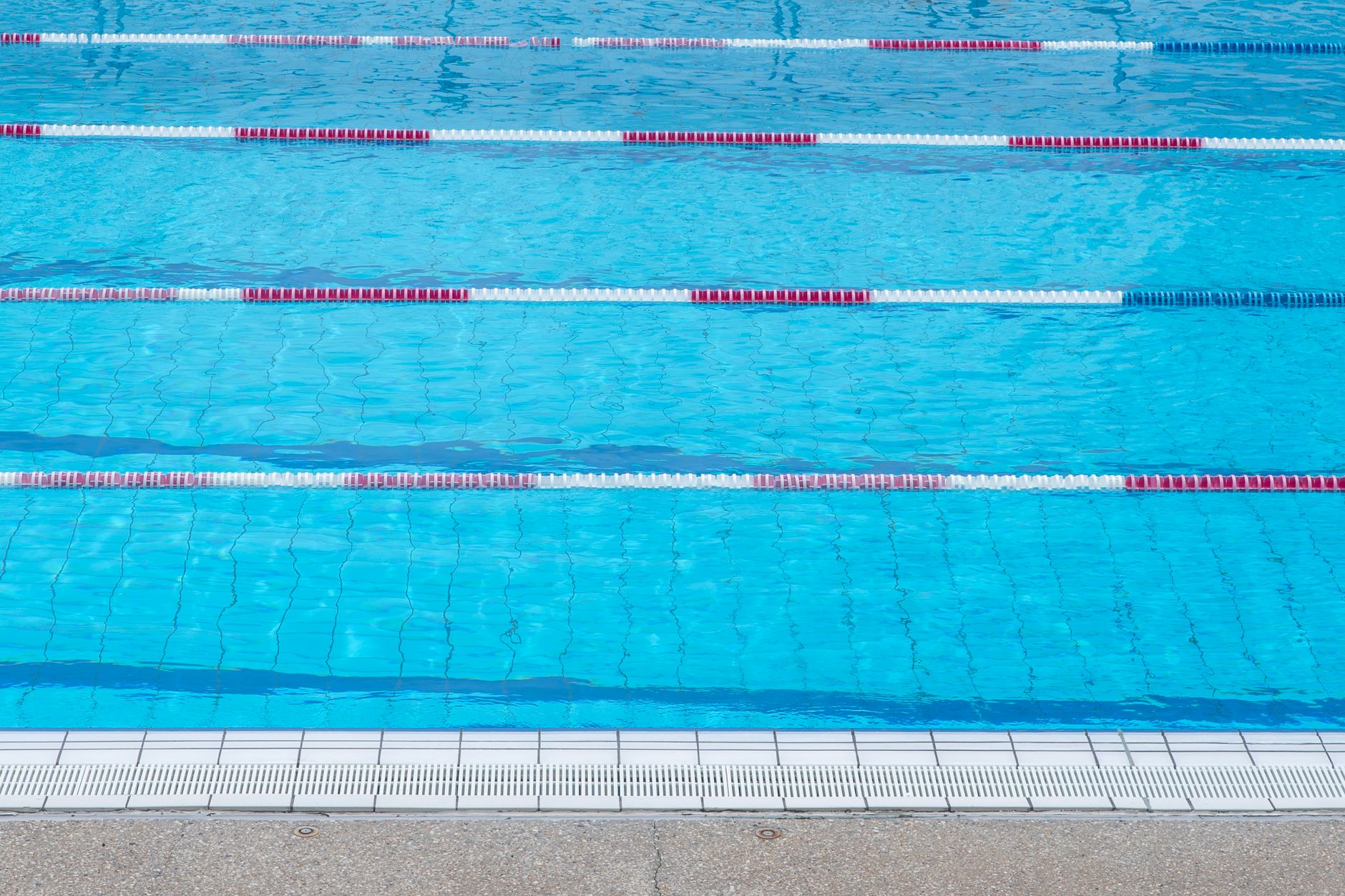
What You Need to Know About Commercial Pool Regulations in Florida
Florida regulates public swimming pools, including those at restaurants, hotels, resorts, and food-service establishments, under Chapter 64E-9 of the Florida Administrative Code, administered by the Florida Department of Health. This chapter covers everything from pool construction standards to daily operational requirements. If your restaurant has a pool accessible to guests, it almost certainly qualifies as a "public pool" under this definition.
The Duval County Health Department is the local enforcement arm. Inspectors can and do conduct unannounced inspections. A failed inspection can result in a pool being posted as closed to bathers, which is a serious operational and reputational setback for any restaurant or resort property.
There is an important distinction between residential pools and commercial pools. Residential pool rules are significantly less stringent. The moment a pool becomes accessible to guests, customers, or the general public in a commercial setting, the full weight of Chapter 64E-9 applies. This catches some new restaurant owners off guard, particularly those converting residential properties into hospitality venues in neighborhoods like San Marco or Riverside.
According to the Florida Department of Health, properly maintained pools with correct chemical balance and filtration are critical to preventing recreational water illness outbreaks. In a restaurant setting, a single illness complaint tied to pool water can trigger a full investigation and media attention that no business wants.
Core Restaurant Pool Service Requirements in Jacksonville
Understanding the specific requirements gives you a clear checklist to work from. Here is a breakdown of the main categories Florida law addresses for commercial pools at food-service establishments.
Water Chemistry Standards
Florida requires commercial pool operators to maintain water chemistry within specific ranges at all times. For chlorinated pools, free chlorine must be maintained between 1.0 and 10.0 parts per million (ppm), with pH held between 7.2 and 7.8. Cyanuric acid, used as a stabilizer in outdoor pools, may not exceed 100 ppm. Combined chlorine (chloramines) must stay below 0.5 ppm.
In Jacksonville's heat, chlorine burns off faster than in northern climates. A pool that tested fine at 8 a.m. may be out of range by noon on a 94-degree July afternoon with heavy bather load. This is why automated chemical dosing systems and multiple daily readings are standard practice for responsible commercial operators.
Filtration and Recirculation Requirements
Commercial pools must have filtration systems capable of turning over the entire pool volume within a set timeframe. Florida regulations specify turnover rates based on pool type and bather capacity. Most commercial pools require full turnover every four to six hours. Filters must be cleaned and backwashed on a schedule documented in the pool log.
Pump and motor systems in Jacksonville face additional strain from heat and humidity. Equipment rooms that are not properly ventilated can see premature motor failure. If your restaurant pool is losing pressure or showing signs of reduced flow, that is a maintenance issue that needs attention before an inspection, not after. Electrical components in these systems should be inspected by a qualified professional. Our Electrician Services team can assist with pool equipment electrical inspections and repairs.
Safety Equipment and Signage
Every commercial pool in Florida must have specific safety equipment on-site and visible. This includes a Coast Guard-approved ring buoy with at least 60 feet of rope, a reaching pole no shorter than 12 feet, and posted rules and depth markings that meet size and contrast specifications in the code. No diving signage must be posted in areas where depth is less than five feet.
Fencing and barrier requirements also apply. Commercial pools must have fencing or barriers that meet Florida Building Code standards, which align closely with the requirements set by the Consumer Product Safety Commission's Pool Safely guidelines. Gates must be self-closing and self-latching.
Lifeguard and Supervision Requirements
This is one of the most frequently misunderstood areas. Florida does not universally require lifeguards at all public pools, but does require them in certain circumstances, particularly when bather loads are high or when the pool design creates visibility challenges. The rule of thumb is that if your establishment has a pool classified as a "Class B" or higher facility, you should consult directly with the Duval County Health Department about your specific lifeguard obligations.
Even when lifeguards are not legally required, posting clear "No Lifeguard on Duty" signs is mandatory. Liability exposure for a restaurant without proper signage is significant.
Record-Keeping and Logs
Florida requires that commercial pool operators maintain written logs of daily water chemistry readings, filter cleanings, chemical additions, and any equipment repairs or service performed. These logs must be available for inspection on demand. Inspectors will ask to see them, and missing or incomplete logs are themselves a violation.
Many restaurant operators in Jacksonville benefit from working with a professional pool service company that handles log documentation as part of their service agreement. This removes one more operational burden from the management team.

Common Mistakes Jacksonville Homeowners and Business Operators Make
Even experienced property managers make avoidable errors when it comes to commercial pool compliance. Here are the ones our team sees most often across the Jacksonville area.
Treating a Commercial Pool Like a Residential One
This is the most common and most costly mistake. Restaurant and hospitality operators who are used to managing their own home pool often apply the same casual maintenance schedule to a commercial facility. The bather loads, regulatory oversight, and liability stakes are completely different. A residential pool might tolerate skipped testing for a day. A commercial pool cannot.
Ignoring Chemical Balance During Off-Peak Hours
Some restaurant operators scale back pool service during slower seasons or early morning hours, assuming that lower bather counts mean lower maintenance needs. In Jacksonville's climate, algae growth, evaporation-driven chemical concentration, and heat-driven chlorine loss do not pause because your dining room is quiet. Pools that are neglected during off-peak periods frequently fail chemistry readings during inspections.
Skipping Equipment Inspections
Florida's heat and humidity accelerate corrosion and wear on pumps, heaters, and filter housings. Waiting until equipment fails to address maintenance is a reactive approach that results in extended downtime and emergency repair costs. Annual equipment inspections by a licensed pool contractor catch problems early. Facilities in neighborhoods like Nocatee and St. Johns that operate year-round are especially vulnerable to this kind of deferred maintenance.
Incomplete or Missing Safety Signage
Inspectors cite missing or faded signage frequently. Signs fade in Florida's UV-intense sunlight faster than in other states. A sign that was crisp and visible in January may be barely readable by August. Walk your pool area monthly and replace any signage that does not meet the contrast and legibility standards in the code.
Not Understanding the Permit and Variance Process
Restaurants that add a pool, expand a pool deck, or make structural changes to an existing pool area often do not realize they need a new permit or an updated inspection clearance. The City of Jacksonville's permitting office handles structural work, while the health department handles operational compliance. Both may be involved in pool changes. Working with experienced local contractors who understand both tracks saves significant time and avoids stop-work orders.
DIY vs. Hiring a Professional in Jacksonville
For a residential pool, a motivated homeowner with the right tools and some guidance can handle routine maintenance tasks like skimming, vacuuming, and basic chemical balancing. The calculus is different for a commercial pool serving restaurant guests.
Florida law requires that public pool operators hold a valid Certified Pool Operator (CPO) credential or have a CPO on staff or on contract. This is not a certification most restaurant managers have. Hiring a licensed commercial pool service company is the practical solution for the vast majority of Jacksonville restaurant operators.
That said, there are tasks your team can handle in-house to reduce service costs and keep things running between professional visits. Emptying skimmer baskets, visually checking the water clarity, and logging chemical readings (taken with properly calibrated equipment) are all reasonable in-house activities. But interpreting those readings, adjusting chemicals in a commercial system, and servicing filtration equipment should be handled by someone with the proper credentials.
WSJ Remodeling, Handyman & Pool Services has completed thousands of jobs across Jacksonville and maintains a 5.0-star Google rating from 135 verified customers. Our pool team understands the specific challenges of Northeast Florida's climate and the regulatory environment that commercial operators navigate. Our Service Areas cover the full Jacksonville metro including Ponte Vedra Beach, Mandarin, Nocatee, St. Johns, Fleming Island, and Southside.
When the stakes are a health department closure order or a guest injury claim, professional service is not an expense, it is protection.
What to Expect: Cost Breakdown for Jacksonville
Cost transparency matters. Here are realistic ranges for the services commercial pool operators in Jacksonville typically need. Think of these as investments in your business's operational continuity and your guests' safety.
- Weekly commercial pool service contract: $200 to $600 per month depending on pool size, bather load, and service scope. This typically covers chemical balancing, testing, filter maintenance, and log documentation.
- Water chemistry adjustment visits (emergency): $75 to $200 per visit depending on the chemical correction needed and timing.
- Filter cleaning and backwashing: $100 to $250 per service, often included in monthly contracts.
- Pump and motor inspection and repair: $150 to $800 depending on the scope of work. Full pump replacement on a commercial system can run $800 to $2,500 or more.
- Safety equipment audit and signage replacement: $150 to $500 to bring a pool area into full compliance, depending on what is needed.
- Annual equipment inspection and report: $200 to $400, providing documentation valuable for insurance purposes.
- Pool resurfacing (commercial): $5,000 to $20,000 or more depending on pool size and surface material chosen.
For restaurants in high-end areas like Ponte Vedra Beach or newer developments in Nocatee, the pool area is part of the brand experience. Deferred maintenance that leads to a pool closure during peak season costs far more in lost revenue and reputation than any service contract.
If upfront costs are a concern, explore our Financing options, which can make larger service agreements and equipment upgrades more manageable.

Pro Tips from Our Jacksonville Team
Our team at WSJ Remodeling, Handyman & Pool Services has worked across Jacksonville's diverse neighborhoods and understands the quirks of pool maintenance in Northeast Florida's specific climate. Here is what our experienced professionals want restaurant operators to know.
Test More Than Once a Day in Summer
Florida's summer heat burns through chlorine faster than most chemical dosing calculations assume. In July and August, testing only in the morning will give you a false sense of security. Mid-afternoon testing, especially when bather loads are highest, is the standard we recommend for any commercial pool in Jacksonville. The EPA's guidance on safer pool chemical use also recommends dosing based on real-time readings rather than fixed schedules.
Shade Your Equipment Room
Pool mechanical rooms on the south or west side of a building in Jacksonville can reach internal temperatures well above 110 degrees on summer afternoons. This accelerates motor wear and can cause automatic shut-offs that leave your pool without recirculation during peak hours. Adding shade structures or improving ventilation around equipment rooms is a practical investment. Our Carpentry Services team can design and build shade solutions customized to your facility layout.
Build a Relationship With Your Health Inspector
The Duval County Health Department's environmental health staff inspect commercial pools on a routine and unannounced basis. Introducing yourself, asking questions, and demonstrating that you take compliance seriously goes a long way. Inspectors are not looking to shut businesses down. They want to see operators who are engaged and making honest efforts to meet the standards.
Keep Your Log Books Impeccable
We have seen restaurant operators fail inspections not because of actual water quality issues, but because their documentation was incomplete. Get in the habit of logging every reading, every chemical addition, and every maintenance action with the time and initials of the person performing the work. This creates a defensible record and makes it easy to spot trends before they become violations.
Plan for Hurricane Season Maintenance
Jacksonville's hurricane season runs June through November. Before a storm, lower pool water levels, remove deck furniture, and turn off automated systems properly. After a storm, debris, runoff contamination, and power disruptions can throw chemistry significantly out of range. A post-storm water quality check and chemical correction should be part of your emergency recovery protocol before reopening the pool to guests.
Consider Saltwater Chlorination for Easier Management
Saltwater chlorination systems generate chlorine continuously from dissolved salt, which reduces the frequency of manual chemical additions and tends to produce gentler, more consistent water chemistry. For restaurant pools with high bather loads in Jacksonville's climate, the reduced chemical handling and more stable readings can simplify compliance. The Association of Pool and Spa Professionals provides detailed guidance on the performance characteristics of these systems for commercial applications.
Frequently Asked Questions
Does my restaurant pool in Jacksonville need to be inspected by the health department?
Yes. If your pool is accessible to guests, customers, or the general public as part of your restaurant or hospitality operation, it qualifies as a public pool under Florida law and is subject to routine inspection by the Duval County Health Department. Inspections can be unannounced and occur on a schedule that varies based on your facility classification. Failing an inspection can result in the pool being closed to bathers until violations are corrected and a re-inspection is passed. Maintaining ongoing compliance is far less disruptive than dealing with a closure order during a busy weekend.
What are the water chemistry requirements for a commercial pool in Florida?
Florida's Chapter 64E-9 requires free chlorine between 1.0 and 10.0 ppm, pH between 7.2 and 7.8, and combined chlorine (chloramines) below 0.5 ppm for chlorinated pools. Cyanuric acid (stabilizer) must not exceed 100 ppm. Total alkalinity should be maintained between 60 and 180 ppm. These readings must be taken and logged at least twice daily at commercial pools with significant bather loads, and more frequently is recommended during Jacksonville's summer months when heat accelerates chemical consumption.
How often should a commercial pool be serviced professionally?
Most commercial pools in Jacksonville benefit from professional service at least two to three times per week, with daily monitoring handled by trained on-site staff. High-bather-load periods, such as summer weekends and holiday weeks, may require daily professional visits. A professional pool service company will typically establish a customized service schedule based on your pool's volume, bather counts, filtration system, and history of chemical stability. A consistent service relationship also makes it easier to spot equipment issues before they become emergencies.
Do I need a Certified Pool Operator on staff for my restaurant pool?
Florida requires that public pools be operated under the supervision of a person holding a valid Certified Pool Operator (CPO) credential issued by a state-approved program. This does not necessarily mean you need a CPO on payroll. Many restaurant operators satisfy this requirement by contracting with a licensed pool service company whose staff holds the required credentials. Confirming that your service provider's technicians hold valid CPO certifications is an important step when evaluating vendors.
What happens if my restaurant pool fails a health inspection in Jacksonville?
A failed inspection typically results in a notice of violation specifying which standards were not met and the timeframe for correction. In serious cases, particularly where water chemistry is unsafe or critical safety equipment is missing, the pool may be ordered closed immediately. The pool cannot reopen until a satisfactory re-inspection is completed. Repeated violations can result in escalating fines and referral to the state level for additional enforcement action. Operators in higher-profile locations like Ponte Vedra Beach or Mandarin should be particularly attentive, as media coverage of pool closures can have a real impact on customer perception.
How much does commercial pool service cost for a restaurant in Jacksonville?
Monthly service contracts for commercial pools in Jacksonville typically range from $200 to $600 per month for routine chemical balancing, testing, filter maintenance, and log documentation. Larger pools with higher bather loads and more complex systems will be at the higher end of that range. Emergency chemical correction visits typically run $75 to $200. Equipment repairs such as pump replacement can range from $800 to $2,500 or more depending on the system. Annual equipment inspections are generally $200 to $400 and provide valuable documentation for insurance and compliance records.
What safety equipment is required at a Florida restaurant pool?
Florida requires commercial pools to have a Coast Guard-approved ring buoy with at least 60 feet of attached rope, a reaching pole no shorter than 12 feet, clearly posted pool rules and depth markings meeting specified size and contrast requirements, and appropriate "No Diving" signage in shallow areas. Fencing and barrier systems must meet Florida Building Code standards, with self-closing and self-latching gates. First aid equipment is also recommended, and some facility classifications may have additional requirements. Your pool service contractor should be familiar with the full list for your specific facility type.
Can I handle my restaurant pool maintenance in-house to save money?
While some routine tasks like skimming and visual clarity checks can be managed by on-site staff, the core compliance responsibilities for a commercial pool really require credentialed professionals. Florida law requires CPO oversight, and the accuracy of chemical testing in a commercial setting depends on properly calibrated equipment and trained personnel. Attempting to manage a commercial pool entirely in-house without proper credentials creates significant regulatory and liability risk. A better approach is a service contract that defines what the professional team handles and what your staff does in between visits, keeping costs reasonable while maintaining compliance.
What warning signs should I watch for between professional pool service visits?
Cloudy or discolored water is the most obvious sign that chemistry or filtration is off and needs immediate attention. Green tint indicates algae growth, which can develop quickly in Jacksonville's heat. Eye or skin irritation reported by guests is a serious signal that chloramine levels may be elevated. Reduced flow at return jets suggests a filtration problem. Unusual noises from the pump motor warrant a service call before the motor fails entirely. Any of these signs should trigger a call to your pool service contractor rather than waiting for the next scheduled visit.
Ready to Get Started?
If your restaurant or hospitality property has a pool in Jacksonville, getting your compliance foundation right is one of the best investments you can make in your business. From routine chemical management to equipment inspections and safety audits, the right professional partner makes the difference between a pool that enhances your guest experience and one that creates headaches.
WSJ Remodeling, Handyman & Pool Services is a 5.0-star rated pool and home services company in Jacksonville, FL with 135 verified Google reviews and thousands of completed jobs across the area. We serve restaurants, homeowners, and commercial properties throughout Jacksonville, Ponte Vedra Beach, Mandarin, Nocatee, St. Johns, and beyond.
Our team understands Florida's commercial pool regulations, Duval County health department expectations, and the specific demands that Northeast Florida's climate places on pool systems. Whether you need a one-time compliance audit or an ongoing service agreement, we are ready to help.
Call us at (904) 747-8788 to speak with our team, or Request a Free Estimate and we will reach out to schedule your consultation. We also serve clients in Ponte Vedra and surrounding communities and across Fleming Island.
WSJ Remodeling, Handyman & Pool Services. 7643 Gate Parkway, Suite 104-1230, Jacksonville, FL 32256. Phone: (904) 747-8788 or (904) 747-9636.