
Quick Answer: The most common screened enclosure problems in Jacksonville include torn or sagging screen mesh, corroded aluminum framing, damaged screen doors, loose or missing spline, and storm-related structural damage. Most repairs range from $75 to $1,500+ depending on the scope, and many smaller fixes can be handled by a skilled handyman while larger structural issues require a licensed professional.
Key Takeaways
- Jacksonville's humidity, salt air, and hurricane season accelerate wear on screened enclosures faster than in most other U.S. cities.
- Torn screen mesh, corroded frames, and damaged doors are the three most frequent repairs Jacksonville homeowners face.
- Small repairs like spline replacement and single-panel re-screening cost $75 to $250, while full re-screening or structural frame work runs $500 to $1,500+.
- Annual inspections after hurricane season can catch small problems before they become expensive structural failures.
- WSJ Remodeling, Handyman & Pool Services serves Jacksonville, Ponte Vedra, Mandarin, Nocatee, St. Johns, and surrounding communities with screened enclosure repair and more.
If you own a home in Jacksonville with a screened pool enclosure or lanai, you already know how much value that structure adds to your outdoor living. It keeps out mosquitoes, reduces debris in your pool, provides shade, and extends your usable outdoor space for most of the year. Jacksonville averages 233 sunny days per year, which means pools are in use 10 or more months annually, and your screen enclosure works hard every single day.
The problem is that Florida's climate is relentless. The combination of high humidity, intense UV exposure, salt air near the coast, and the occasional tropical storm puts constant stress on screen mesh, aluminum frames, and hardware. What starts as a small tear or a little surface rust can turn into a sagging panel, a warped frame, or a screen door that will not close properly. Left unaddressed, these issues invite insects, allow pool debris to pile up, and can even void your homeowner's insurance coverage if the structure is considered in disrepair.
This guide breaks down the most common screened enclosure problems Jacksonville homeowners face, how to identify them early, what repairs actually cost, and when it makes sense to roll up your sleeves versus pick up the phone. Whether you live in Ponte Vedra Beach, Mandarin, Nocatee, or anywhere in between, this is the resource you will want to bookmark before your next repair project.
What Jacksonville Homeowners Need to Know About Screened Enclosures
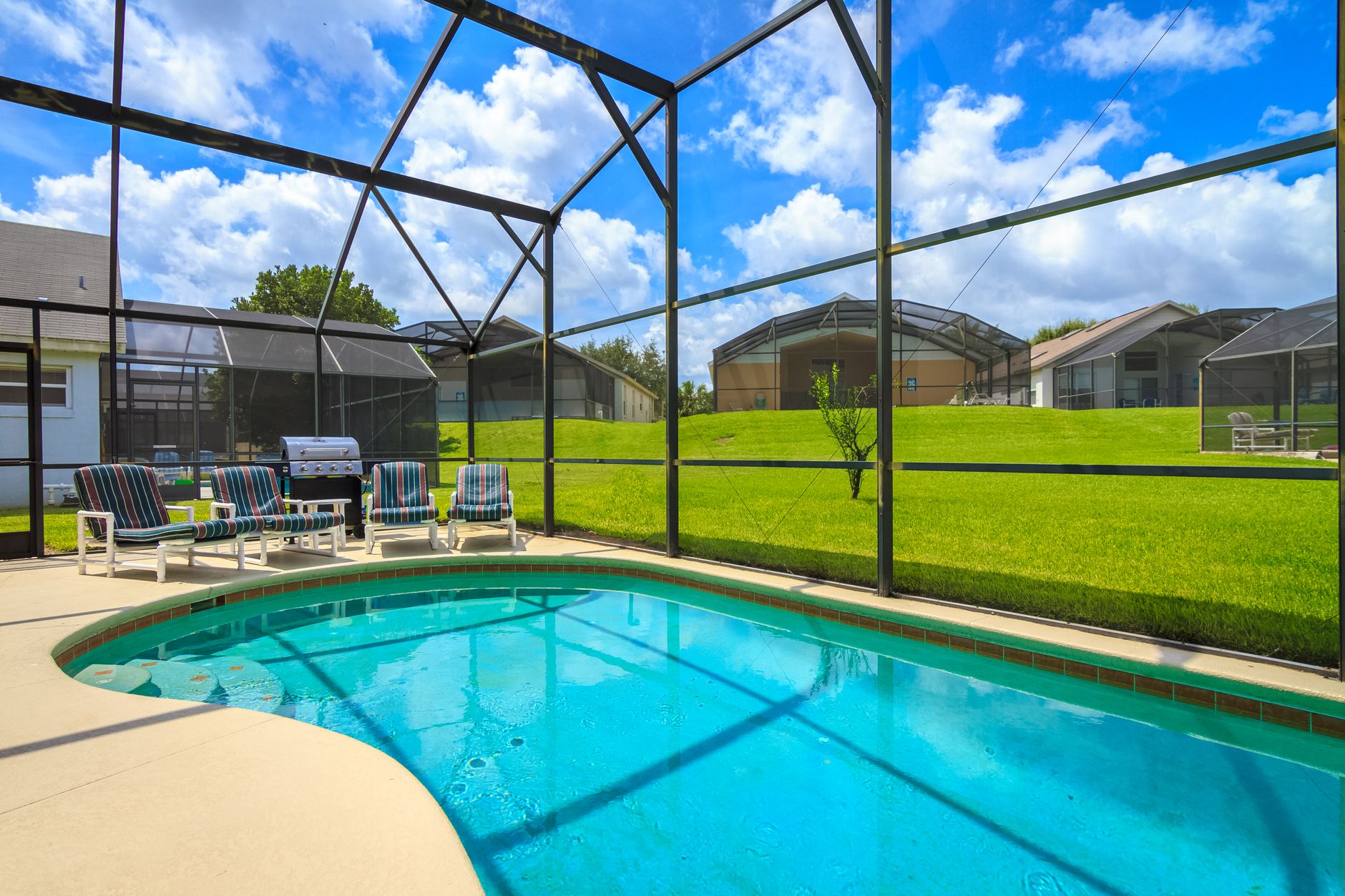
Screened enclosures, sometimes called pool cages, screen rooms, or lanai enclosures, are aluminum-framed structures covered with fiberglass or aluminum mesh. They come in dozens of configurations: flat-roof, gable-style, hip-roof, and multi-bay designs. The frames are typically made from extruded aluminum because it resists corrosion better than steel, though that resistance has limits in Florida's coastal environment.
The screen mesh itself is held in place by a vinyl or rubber cord called spline, which is pressed into a channel along the edge of each aluminum frame section. This system allows individual panels to be replaced without disturbing the surrounding structure, which is one reason re-screening is so common and relatively affordable.
Most screened enclosures in Jacksonville are built to meet the Florida Building Code, which has specific wind load requirements for screen enclosures. This matters because a structure that was built or repaired without a permit or without meeting current code may not hold up during a named storm, and could create liability issues if someone is injured. Always confirm that structural repairs are performed by licensed contractors who pull the appropriate permits.
The lifespan of a screened enclosure depends heavily on maintenance. A well-maintained enclosure with quality materials can last 20 or more years. Neglected enclosures in coastal areas like Ponte Vedra Beach, where salt air accelerates oxidation, may show serious degradation in 8 to 10 years. Understanding what you are working with before diving into repairs sets you up to make smarter decisions about when to repair, when to re-screen, and when a full replacement is the better investment.
Common Screened Enclosure Problems and How to Fix Them
Knowing what to look for is half the battle. Here is a breakdown of the most frequent issues Jacksonville homeowners encounter, what causes them, and how they are typically fixed.
Torn, Sagging, or Holes in Screen Mesh
This is by far the most common repair call we receive. Screen mesh takes abuse from falling branches, footballs, birds, pets, and just the slow deterioration caused by UV exposure. A single small hole can spread quickly when wind gets behind the mesh and pulls at the edges. Fiberglass mesh typically lasts 7 to 10 years before it becomes brittle and starts to crumble at the edges. Aluminum mesh lasts longer but can develop small rust-colored oxidation spots.
The fix for a small hole (under 2 inches) is a patch kit, which any homeowner can handle. For a torn panel or a full panel that is sagging out of its spline channel, the mesh needs to be pulled, new spline installed, and fresh mesh rolled and pressed in. This is a straightforward job for someone with the right tools, but getting the tension even across a large bay panel requires practice. Uneven tension leads to the mesh bubbling or pulling loose within a few months.
Corroded or Oxidized Aluminum Frames
Aluminum does not rust the way steel does, but it does oxidize. In Jacksonville and especially in coastal areas like Ponte Vedra Beach and the barrier island communities, white chalky oxidation is extremely common. Mild surface oxidation is mostly cosmetic and can be cleaned with a pressure washer and aluminum-safe cleaner. Severe oxidation that has pitted the metal or compromised the structural wall thickness of the extrusion is a different problem entirely.
Corroded frame sections need to be replaced, not painted over. Painting corroded aluminum without proper etching primer and the right topcoat is a short-term fix that peels within a season. Structural frame replacement requires measuring and cutting new extrusion stock, drilling new holes, and connecting it with the correct fasteners. This is where most DIY attempts go wrong, and a failed frame repair can cause an entire bay to collapse.
Damaged or Misaligned Screen Doors
Screen doors on pool enclosures take a beating. They are opened and closed dozens of times a day, exposed to the same UV and moisture as the rest of the structure, and they depend on precise alignment to latch and seal properly. Common problems include hinges that have pulled loose from the frame, latches and closers that are broken or misadjusted, frames that have bent or twisted, and mesh in the door panel that has torn.
Door repairs range from simple closer adjustments (a 15-minute job) to full door replacement. If the frame of the door itself has bent or twisted, replacement is almost always more cost-effective than trying to straighten it. A new screen door installed correctly should operate smoothly and latch firmly every time.
Loose or Missing Spline
Spline is the unsung hero of every screened enclosure. This thin vinyl or rubber cord is pressed into the channel around each screen panel frame and holds the mesh under tension. Over years of heat cycling in Jacksonville's climate, spline becomes brittle, shrinks, and pulls away from the corners. When spline lets go, the mesh follows, and you end up with a panel that flaps in the wind or has gaps along the edges that insects exploit immediately.
Replacing spline is one of the more beginner-friendly screen repairs, but selecting the right diameter spline matters. Too thin and it will not hold. Too thick and it will not seat properly in the channel. Most residential enclosures use spline between 0.140 and 0.175 inches in diameter, but always measure the existing channel before ordering materials.
Storm Damage and Structural Frame Issues
Jacksonville sits in a region that sees tropical storms and hurricanes with enough regularity that every homeowner should have a post-storm inspection checklist. Even storms that do not cause visible damage to your home can bend or loosen screen enclosure framing, shift footing anchors, or crack the concrete curb that the frame posts attach to. According to the Florida Building Commission, screen enclosures must meet specific wind load standards, and any storm that exceeds those design loads can cause structural compromise that is not always visible from the outside.
After any tropical event, walk the perimeter of your enclosure and look for posts that are leaning or have pulled away from the base, diagonal brace bars that have bent, hip bars along the roofline that have shifted, and concrete anchors that show cracking or heaving. These issues require a licensed contractor and, in many cases, a building permit before repairs can begin.
Common Mistakes Jacksonville Homeowners Make
We have seen a lot of attempted DIY repairs over the years. Here are the mistakes that show up most often, and why they tend to make problems worse.
Using the Wrong Screen Mesh for the Application
Not all screen mesh is the same. Standard fiberglass window screen has no place in a pool enclosure that sees direct sun, pool chemicals in the air, and heavy use. Pool enclosures need heavier mesh rated for outdoor use, typically 18x14 or 20x20 weave in fiberglass, or heavy-duty aluminum. Some homeowners in areas with intense afternoon sun, like west-facing Nocatee and St. Johns properties, benefit from solar-screen mesh that also reduces heat gain. Using cheap interior-grade screen on an exterior enclosure means you will be back to square one within a year or two.
Ignoring Surface Oxidation Until It Becomes Structural
Surface oxidation on aluminum looks bad but is not immediately dangerous. The problem is that most homeowners ignore it until the oxidation has progressed to the point where the frame wall is compromised. At that stage, what would have been a $50 cleaning job becomes a $300 to $600 frame section replacement. Annual cleaning with an aluminum-safe cleaner and a light pressure wash is the single easiest way to extend the life of your enclosure frame.
Skipping the Permit for Structural Repairs
Replacing a screen panel does not require a permit. Replacing a structural frame post or reanchoring a base plate does. The City of Jacksonville requires permits for structural alterations to screen enclosures, and for good reason. Unpermitted structural work can create problems when you sell your home, may not be covered by homeowner's insurance if something fails, and might not meet current wind load codes that protect your family during a storm.
Using Regular Caulk or Sealant on Aluminum Joints
Standard silicone or latex caulk does not bond reliably to aluminum and will peel within one Florida summer. Joints and penetrations in aluminum frame enclosures require aluminum-compatible sealants or specialized screen room caulk. Using the wrong product creates a false sense of security while water continues to infiltrate, leading to accelerated corrosion at the joint.
Not Addressing Drainage Around the Enclosure Base
The concrete curb or aluminum base rail that anchors your enclosure frame is one of the most overlooked maintenance items. When soil or mulch piles up against the base, it traps moisture and accelerates corrosion at the anchor points. Keeping a clean drainage path around the perimeter of your enclosure and making sure downspout runoff does not pool against the structure is simple preventive maintenance that most homeowners skip until they see a post starting to lean.
DIY vs. Hiring a Professional in Jacksonville
Here is an honest assessment of what you can reasonably tackle yourself and where it pays to call in someone with experience.
Jobs That Work Well as DIY
Patching a small hole in a screen panel, replacing spline on one or two panels, adjusting a door closer, tightening loose hardware, and cleaning oxidation are all within reach for a homeowner with basic tools and a free Saturday morning. The materials are inexpensive, the techniques are learnable from a few good videos, and the risk of making things significantly worse is low.
You will need a spline roller tool, the correct diameter spline, a utility knife, and replacement mesh if you are doing a full panel. These tools are available at most home improvement stores and are worth buying if you have more than two or three panels to address.
Jobs That Belong with a Professional
Structural frame replacement, post re-anchoring, full enclosure re-screening (especially on large or tall enclosures), screen door replacement, and any repair required after storm damage should go to a professional. Working at height on a pool cage roof is genuinely dangerous without the right equipment. Getting structural repairs wrong can result in a collapse, and the liability exposure is not worth the savings.
Our team at WSJ Remodeling, Handyman & Pool Services has completed thousands of jobs across Jacksonville and the surrounding communities. With a 5.0-star Google rating based on 135 verified customer reviews, we have built our reputation on doing repairs correctly the first time, not cutting corners on materials or skipping steps to save an hour on a job. If you are unsure whether your repair falls in the DIY or professional category, a quick phone call can save you time and money.
Homeowners in Ponte Vedra Beach, Mandarin, and Fleming Island often find that the cost of a professional repair is offset by the time savings and the confidence that the work meets local code requirements.
What to Expect: Cost Breakdown for Jacksonville
Screen enclosure repair costs in Jacksonville vary widely depending on the size of the repair, the materials used, and whether structural permits are involved. Here are realistic ranges based on what homeowners in our service area typically encounter.
- Small patch or spline replacement (1 to 2 panels): $75 to $150 for DIY materials; $150 to $300 for professional service.
- Single panel re-screening (professional): $100 to $200 per panel depending on size and mesh type.
- Full enclosure re-screening (average pool cage): $500 to $1,500 depending on total square footage, mesh type, and frame condition.
- Screen door replacement: $200 to $500 installed, depending on size and hardware.
- Frame section replacement (non-structural): $200 to $600 per section.
- Structural post or base repair with permit: $500 to $2,000+ depending on scope and whether new concrete work is needed.
- Storm damage assessment and repair: $300 to $3,000+ depending on severity.
Think of these repairs as protecting the investment you have already made in your home. A screened pool enclosure adds an estimated 5 to 10 percent to the value of a home in Florida, according to the National Association of Home Builders. Keeping that structure in good condition is directly tied to your home's marketability and resale value, particularly in high-demand Jacksonville neighborhoods where outdoor living space is a top buyer priority.
It is also worth checking with your homeowner's insurance carrier. Storm-related screen enclosure damage is often covered under your policy's other structures coverage, which typically provides coverage equal to 10 percent of your dwelling coverage limit. Document the damage with photos before any repairs are made, and get a written estimate from a licensed contractor for your claim.
Pro Tips from Our Jacksonville Team
After thousands of completed jobs across Jacksonville and the surrounding area, our team has picked up a few things that save homeowners real time and money. Here is what we tell our customers.
Tip 1: Inspect After Every Tropical Event, Not Just After Hurricanes
Tropical storms and even fast-moving thunderstorm lines can push debris into screen panels and bend lightweight frame bracing without doing obvious damage to your home. Get in the habit of walking your enclosure perimeter after any storm with sustained winds over 40 mph. Look at every corner bracket, base anchor, and the hip bar along the roofline. Catching a bent brace early is a $100 fix. Waiting until it fails takes out two adjacent panels and becomes a $600 repair.
Tip 2: Use 20x20 Mesh Near Pool Water
Standard 18x14 fiberglass mesh has larger openings that let no-see-ums through. If you live near any of Jacksonville's coastal waterways, marshes, or retention ponds (which describes a significant portion of Nocatee, St. Johns, and Fleming Island), upgrade to 20x20 mesh when re-screening. The tighter weave keeps out the tiny insects that standard screen misses and does not significantly affect airflow.
Tip 3: Pressure Wash Annually but Watch Your Technique
Annual pressure washing removes the algae, mold, and pollen that accumulate on screen mesh and aluminum frames in Jacksonville's humid climate. The Florida Department of Health notes that mold growth is a significant concern in Florida's humid environment, and screen enclosures are particularly prone to biofilm buildup in shaded areas. Use a wide-angle tip and keep the wand moving. Direct high-pressure spray at close range on screen mesh will tear it. Stay 18 to 24 inches back from the mesh and work at an angle.
Tip 4: Lubricate Door Hinges and Closers Every Six Months
Screen door closers and hinges are the most frequently serviced hardware on any enclosure, and the fix is almost always the same: they dried out. A light application of silicone spray lubricant every six months keeps hinges swinging freely and closers operating smoothly. Avoid WD-40 on aluminum hardware as it can attract dirt and leave a residue that gums things up over time. Silicone spray is the right tool for this application.
Tip 5: Keep Mulch and Soil Away from the Base Rail
One of the most preventable causes of accelerated frame corrosion in Jacksonville is landscaping that piles up against the enclosure base. Mulch and soil hold moisture against the aluminum base rail and the concrete anchor points, dramatically accelerating oxidation. Keep a 2 to 3 inch gap between any landscaping material and the enclosure base. This one habit extends frame life by years and keeps pests from building a highway into your enclosure.
Tip 6: Get a Written Estimate Before Any Structural Work
For any repair that involves frame replacement, anchor work, or permits, always get a written estimate that specifies the materials to be used, the scope of work, and whether permit fees are included. Our team at WSJ Remodeling, Handyman & Pool Services provides detailed estimates so homeowners in Jacksonville, Ponte Vedra, Mandarin, and surrounding communities know exactly what they are paying for before work begins. You can view examples of our completed projects in our project gallery.
Frequently Asked Questions
How much does screened enclosure repair cost in Jacksonville, FL?
Costs depend heavily on the type and extent of the repair. Small jobs like single-panel re-screening or spline replacement typically run $100 to $300 when professionally handled. Mid-range repairs such as screen door replacement or a few damaged panels run $300 to $700. Full enclosure re-screening on an average pool cage ranges from $500 to $1,500 depending on size and mesh type. Structural frame repairs involving permits can run $500 to $3,000 or more. Getting a written estimate before committing to any repair is always the right first step, and WSJ Remodeling, Handyman & Pool Services offers free estimates for Jacksonville-area homeowners.
How long does screened enclosure repair take in Jacksonville?
Simple repairs like patching a hole, replacing a door closer, or re-screening one or two panels can typically be completed in one to three hours on the same day. Full enclosure re-screening on a standard pool cage usually takes one full day for a professional crew. Structural repairs that require permits may take one to three weeks from the time a permit is submitted, as permit processing time through the City of Jacksonville varies by scope and current volume. Scheduling in advance of storm season or the heavy summer pool-use period is always a good idea to avoid wait times.
What type of screen mesh is best for Jacksonville's climate?
For most Jacksonville homeowners, 18x14 standard fiberglass mesh works well for general enclosures, but 20x20 fiberglass mesh is a better choice near marshes, ponds, or coastal areas where no-see-ums are a problem. Heavy-duty aluminum mesh lasts longer than fiberglass but costs more and can be harder to work with during repairs. Solar screen mesh in a 80 to 90 percent shade rating is worth considering for west-facing enclosures that get intense afternoon sun, as it can meaningfully reduce heat gain and UV exposure in your outdoor space. Ask your contractor which mesh they recommend based on your specific property and usage patterns.
Do I need a permit to repair my screen enclosure in Jacksonville?
Cosmetic and non-structural repairs such as re-screening panels, replacing spline, or fixing a screen door typically do not require a permit in Jacksonville. However, any work that involves replacing structural frame members, re-anchoring posts, modifying the footprint or height of the enclosure, or repairing storm damage to the structural frame generally does require a building permit from the City of Jacksonville. Working without a required permit can create complications during home sales, affect insurance claims, and may not meet current wind load codes. Always verify permit requirements with your contractor before structural work begins.
How often should I have my screen enclosure inspected?
In Jacksonville's climate, a professional inspection every one to two years is a reasonable baseline for most enclosures. After any tropical storm or hurricane, an inspection should be done regardless of the interval. Homeowners with enclosures near salt water, in areas with heavy tree canopy, or with enclosures older than 10 years should lean toward annual inspections. A quick visual walk-around by the homeowner after major weather events and at the start of pool season each spring can catch issues early and reduce the cost of repairs significantly.
Can I re-screen my pool enclosure myself?
Single-panel re-screening is a manageable DIY project for a homeowner with basic tools and patience. You will need a spline roller, replacement spline of the correct diameter, replacement mesh, a utility knife, and a flat-blade screwdriver. Larger enclosures with many panels or tall roofline panels require ladders, working at height, and maintaining even mesh tension across large spans, all of which are much easier with experience and proper equipment. If you are re-screening more than four or five panels or need to access the roof panels of your enclosure, the time savings and quality improvement from hiring a professional usually justify the cost.
What are the warning signs that my screen enclosure needs immediate repair?
Signs that warrant prompt attention include any leaning or visibly displaced frame posts, corner brackets that have pulled away from the frame, the base rail lifting away from the concrete curb, screen panels that have completely pulled free and are flapping loose, or a screen door that will not close and latch properly (as this is both a security and a pest control issue). Cosmetic issues like minor tears or surface oxidation are lower urgency but should still be addressed within a season to prevent escalation. After storm season, a post-storm inspection is the best way to catch any of these warning signs before they develop into larger structural problems.
How do I choose a reliable screen enclosure repair contractor in Jacksonville?
Look for a contractor who is licensed in Florida, carries liability insurance and workers' compensation, and can provide references or verified online reviews from local customers. Ask specifically whether they pull permits for structural work, as contractors who skip permits are often cutting other corners as well. A written estimate with itemized materials and scope of work is a non-negotiable before any project starts. The Association of Pool & Spa Professionals recommends verifying contractor credentials through the Florida Department of Business and Professional Regulation. WSJ Remodeling, Handyman & Pool Services holds a 5.0-star Google rating based on 135 verified customer reviews and has completed thousands of jobs across the Jacksonville area, giving homeowners confidence in both our quality and our reliability.
Will homeowner's insurance cover screened enclosure damage in Florida?
Many Florida homeowner's insurance policies cover screened enclosures under the "other structures" portion of the policy, which typically provides coverage equal to 10 percent of the home's dwelling coverage limit. Coverage applies to sudden and accidental damage from named perils such as windstorms, hail, and falling objects. Gradual deterioration, pest damage, and maintenance-related failures are generally not covered. After a storm, document all damage with photographs before beginning any repairs, contact your insurer to open a claim, and get a written estimate from a licensed contractor to support the claim. Always review your specific policy terms, as coverage varies by carrier and policy type.
Ready to Get Started?
If your screened enclosure needs repair, re-screening, or a post-storm inspection, WSJ Remodeling, Handyman & Pool Services is ready to help. We are a 5.0-star rated home services company based in Jacksonville, FL, with 135 verified Google reviews and thousands of completed jobs across the area. Our team serves Jacksonville, Ponte Vedra Beach, Mandarin, Nocatee, St. Johns, Fleming Island, and the surrounding communities.
Whether you need a single panel replaced, a door fixed, or a full re-screening on a large pool cage, we provide honest assessments, transparent pricing, and work that is done right the first time. You can also explore our full service area to confirm we cover your neighborhood.
Call us at (904) 747-8788 or (904) 747-9636, or click below to request your free estimate. We are located at 7643 Gate Parkway, Suite 104-1230, Jacksonville, FL 32256 and look forward to hearing from you.