
Quick Answer: Tile grout sealing is one of the most effective ways Jacksonville homeowners can prevent mold growth in bathrooms, kitchens, and pool surrounds. In San Marco and across the greater Jacksonville area, our subtropical humidity creates near-perfect conditions for mold to colonize unsealed grout within weeks. Applying a quality penetrating sealer every 12 to 24 months blocks moisture at the source and protects both your tile surfaces and the structural integrity of your home.
Key Takeaways
- Jacksonville's average relative humidity sits above 70% for most of the year, making unsealed grout a direct path for mold to establish itself inside walls and subfloors.
- Penetrating sealers outperform topical sealers in high-moisture Florida environments and typically last 12 to 24 months between applications.
- Grout sealing is a realistic DIY project for small areas, but professional service is strongly recommended for full bathrooms, kitchens, pool decks, and any area showing active mold.
- Professional grout sealing in Jacksonville typically ranges from $150 to $600 depending on square footage and condition of the existing grout.
- WSJ Remodeling, Handyman and Pool Services holds a 5.0-star Google rating based on 135 verified reviews and has completed thousands of jobs across Jacksonville and surrounding communities.
If you live in San Marco, you already know that the character of this neighborhood is part of its value. The Craftsman bungalows, Mediterranean revival homes, and mid-century properties that line Hendricks Avenue and the surrounding streets come with beautiful original tile work that deserves to be maintained. What many homeowners do not realize is that the grout holding those tiles together is essentially a sponge. Without regular sealing, it absorbs moisture, soap, cooking grease, and pool water, and then mold moves in.
This guide gives you everything you need to understand grout sealing in a Florida climate. Whether you are dealing with your master bath, a kitchen backsplash, a pool surround, or a tiled shower in a San Marco rental property, the information here will help you make smart decisions, avoid common mistakes, and know when it is worth hiring a professional.
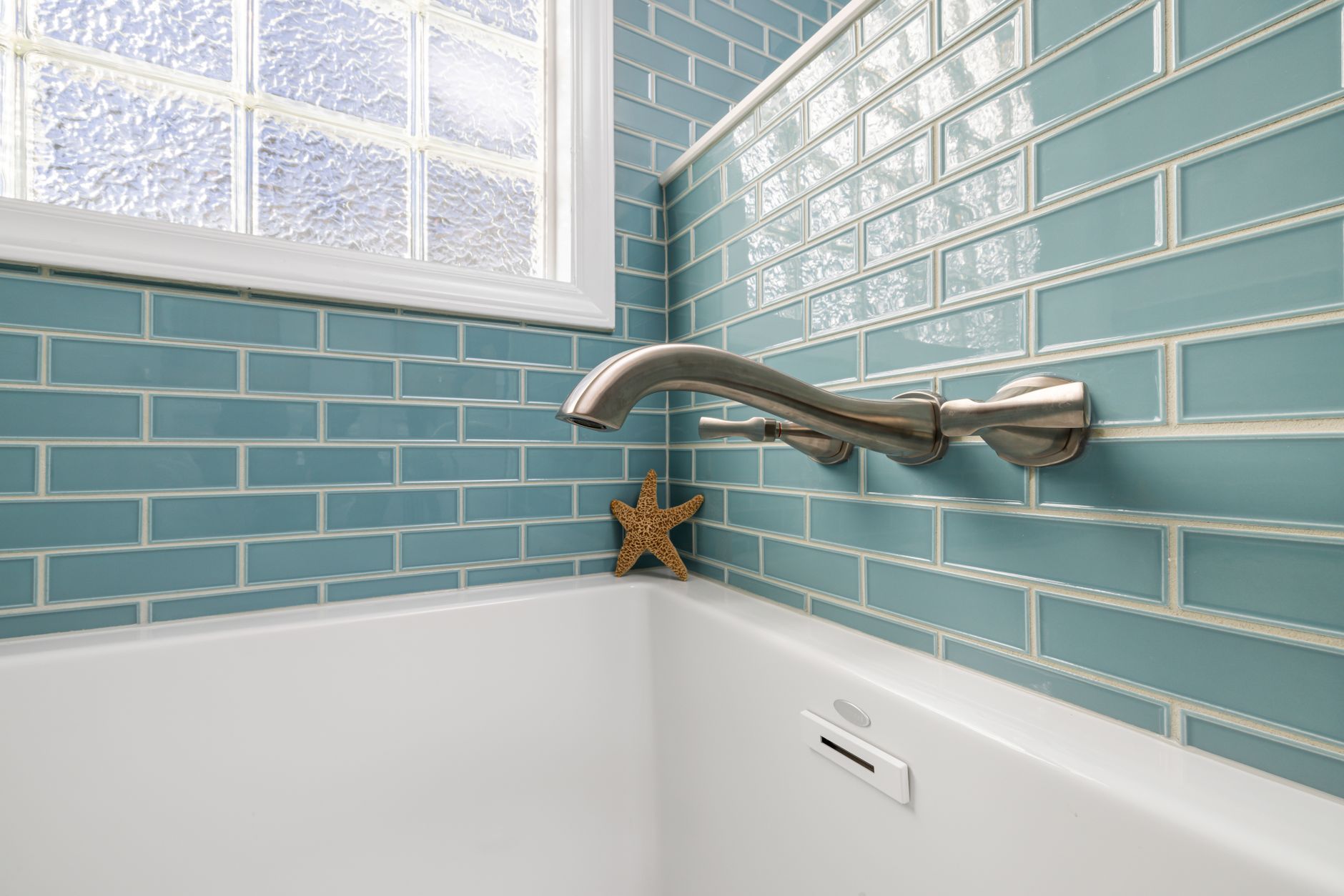
What Tile Grout Sealing Actually Does (And Why Florida Is Different)
Grout is made from a mixture of cement, sand, and water. Once it cures, it looks solid, but it is actually filled with tiny pores. Those pores absorb anything that contacts them: water, cleaning products, body oils, humidity from the air. In dry climates, this is a manageable problem. In Jacksonville, it is a significant one.
Jacksonville averages about 54 inches of rainfall per year and maintains relative humidity above 70% for the majority of the year. According to the Florida Department of Health, mold thrives in environments where humidity exceeds 60% and organic material is present. Unsealed grout provides both the moisture and the organic debris that mold spores need to colonize. In bathrooms and pool areas, this cycle repeats every single day.
Grout sealer creates a barrier that fills those pores and dramatically slows moisture absorption. There are two main categories worth understanding:
- Penetrating sealers (also called impregnating sealers): These soak into the grout and repel moisture from within. They do not change the appearance of the grout and are considered the gold standard for wet environments. They work at the molecular level by bonding with the silica particles inside the grout.
- Topical sealers: These sit on the surface of the grout and form a protective film. They can peel, crack, and yellow over time, especially in high-heat or high-moisture environments. They are generally not the right choice for Florida bathrooms, pool surrounds, or steam showers.
For San Marco homeowners with older tile work, there is another consideration: the type of grout you have. Sanded grout (used in joints wider than 1/8 inch) and unsanded grout (used in narrower joints) absorb moisture at different rates and may require different sealers. Epoxy grout, used in some modern installations, is non-porous and technically does not require sealing, though it is less common in the older homes that make up much of the San Marco housing stock.
The EPA's guide on mold and moisture makes clear that the most effective mold prevention strategy is controlling moisture at the source. Grout sealing is a direct application of that principle.
The Grout Sealing Process: A Step-by-Step Breakdown for Jacksonville Homes
Understanding what the process actually involves helps you evaluate whether a contractor is doing the job properly and decide whether tackling it yourself makes sense for your situation.
Step 1: Assessment and Cleaning
Before any sealer goes on, the grout has to be thoroughly clean and completely dry. This is the step most homeowners rush, and it is the reason many DIY sealing jobs fail. Any mold, soap scum, mineral deposits, or old sealer left in the grout will be sealed in permanently, and moisture will continue working beneath the surface.
Professional cleaning typically involves a pH-neutral tile cleaner for regular maintenance situations and a stronger alkaline or acid-based cleaner for grout that has significant buildup or discoloration. In severe mold cases, a targeted mold-killing treatment is applied first. The grout then needs to dry completely, which in Jacksonville's humidity can take longer than homeowners expect. Most professionals recommend 24 to 48 hours of drying time before sealing.
Step 2: Choosing the Right Sealer
Not all sealers perform equally in a subtropical climate. For bathrooms, showers, and pool surrounds in Jacksonville, a solvent-based penetrating sealer typically outperforms water-based options in longevity and moisture resistance. For areas with colored grout, it is worth choosing a sealer specifically labeled as color-safe to avoid any cloudiness or discoloration.
The National Association of Home Builders recommends evaluating sealers based on the specific substrate, traffic level, and environmental exposure of each installation. A pool deck sealer in Nocatee needs to handle UV exposure, pool chemicals, and foot traffic simultaneously. A bathroom sealer in a San Marco bungalow faces different stressors.
Step 3: Application
Sealer is applied in thin, even coats directly to the grout lines using a small brush, sponge applicator, or roller depending on the scope of the project. The sealer is allowed to penetrate for the time specified by the manufacturer, then the excess is wiped from the tile surface before it dries. Most quality sealers require two coats for full protection.
One common application mistake is allowing sealer to pool on the tile surface. On natural stone tiles especially, excess sealer can etch or cloud the finish. Getting even coverage across grout joints while keeping the tile surface clean requires patience and technique.
Step 4: Cure Time and Testing
After application, most sealers require 24 to 72 hours to cure fully before the area should get wet. A simple test for sealer effectiveness: place a few drops of water on the grout. If the water beads up, the sealer is working. If the water absorbs within a minute or two, the grout needs another coat or the original application was too thin.

Common Mistakes Jacksonville Homeowners Make With Grout Sealing
Mistake 1: Sealing Over Active Mold
This is the most consequential error, and it happens more often than you would think. Homeowners see darkened grout, assume it just needs to be cleaned up and sealed, and proceed without fully addressing the mold first. Sealing over active mold locks the spores inside the grout. The mold continues to grow beneath the sealer, eventually pushing through or causing the grout to crack. If you see black or green discoloration in your grout, treat it with an appropriate mold remover and let it fully dry before any sealer is applied.
Mistake 2: Skipping the Drying Time
Jacksonville's humidity makes proper drying genuinely difficult. Even after cleaning, moisture can linger in the grout for longer than it would in a drier climate. Applying sealer to grout that is even slightly damp traps moisture inside, which defeats the entire purpose. Run bathroom exhaust fans, use a dehumidifier if available, and give the grout a full 24 to 48 hours to dry after cleaning before starting the sealing process.
Mistake 3: Using the Wrong Type of Sealer for the Location
A sealer rated for a kitchen backsplash is not the right product for a pool surround. Pool areas face exposure to chlorine, UV radiation, and constant wet-dry cycling that degrades many standard sealers quickly. Similarly, topical sealers that work acceptably in low-humidity environments often peel and crack in Florida's heat and moisture. Match the sealer to the specific conditions of the installation, not just the tile type.
Mistake 4: Treating Grout Sealing as a One-Time Fix
Even the best penetrating sealers break down over time. In high-moisture areas like Jacksonville bathrooms and pool surrounds, plan on resealing every 12 to 18 months. In lower-traffic areas like a kitchen backsplash, 18 to 24 months is more typical. Many homeowners seal once, assume the job is permanent, and are surprised when mold returns. Add grout resealing to your annual home maintenance calendar the same way you schedule HVAC service or gutter cleaning.
Mistake 5: Ignoring the Grout Around the Toilet Base and Tub Surround
Homeowners tend to focus on shower walls and floors when thinking about grout sealing, but the grout around the toilet base, along tub edges, and at floor transitions is equally vulnerable. These areas experience constant splash exposure and tend to be cleaned less thoroughly during routine bathroom maintenance. They are also among the first places mold establishes itself. Make sure any sealing project covers these transition areas completely.
DIY vs. Hiring a Professional in Jacksonville
Grout sealing sits in an interesting middle ground for DIY projects. The materials are widely available at home improvement stores, the basic technique is not complicated, and for a small area in good condition, a motivated homeowner can get reasonable results. But there are real scenarios where professional service is the smarter investment.
When DIY Makes Sense
- The area is small (a single bathroom or kitchen backsplash) and the grout is in good condition with no visible mold or cracking.
- You have already had a professional seal the grout previously and are doing a maintenance reapplication on schedule.
- You have the time to do the prep work properly: thorough cleaning, adequate drying time, and careful application.
If you go the DIY route, invest in a quality penetrating sealer from a reputable brand rather than the least expensive option on the shelf. The difference in longevity is significant in Florida conditions.
When to Call a Professional
- There is visible mold in the grout, especially if it appears to be penetrating deep into the joints or if there is any softness or crumbling in the grout itself.
- The project involves a pool surround, steam shower, or large-format tile installation where sealer selection and application technique significantly affect the outcome.
- The grout is cracked, missing in sections, or needs to be regrouted before sealing. Sealing over damaged grout does not fix the underlying problem.
- You are dealing with natural stone tile (travertine, marble, slate) where the wrong sealer can permanently damage the surface finish.
- The home is older, as many San Marco properties are, and you are not certain what type of grout or previous treatments were used.
WSJ Remodeling, Handyman and Pool Services has completed thousands of tile and grout jobs across Jacksonville and holds a 5.0-star Google rating based on 135 verified reviews. That track record reflects what professional experience brings to a job: the ability to assess the actual condition of the grout, choose the right product for the specific application, and execute the process correctly the first time. For homeowners in San Marco and the Southbank area, professional service also means accountability if something does not perform as expected.
For homeowners in Riverside and Avondale, where older bungalows and craftsman homes often feature original ceramic and hex tile floors, professional assessment before sealing is especially worthwhile. The grout in a 1940s bathroom may have characteristics that require specific products or techniques.
What to Expect: Cost Breakdown for Jacksonville
Grout sealing is one of the more affordable professional home maintenance services, especially when considered against the cost of mold remediation, tile replacement, or subfloor repair that results from years of neglected grout.
Typical Price Ranges in the Jacksonville Area
- Small bathroom (under 50 sq ft of tile): $150 to $250 for cleaning and sealing
- Full bathroom with shower surround: $250 to $450
- Kitchen tile and backsplash: $200 to $350
- Pool surround or patio tile area: $350 to $600 or more depending on square footage
- Whole-home grout sealing (multiple bathrooms plus kitchen): $500 to $900
Several factors affect where a specific project lands in these ranges. The condition of the existing grout matters significantly: heavily stained, moldy, or cracked grout requires more preparation time and may need spot regrouting before sealing can begin. The type of tile also affects pricing. Natural stone requires more careful product selection and application than standard ceramic or porcelain. Accessibility and the configuration of the space (a tight shower stall takes longer per square foot than an open floor) also factor into labor time.
The Investment Frame
A professional grout sealing service every 12 to 18 months in a primary bathroom costs roughly $250 to $450 per visit. Compare that to mold remediation costs in Jacksonville, which the Florida Department of Health notes can range from $500 to $6,000 or more depending on the extent of contamination and whether structural materials are affected. The math is straightforward. Preventive sealing is one of the highest-return maintenance investments available to Jacksonville homeowners.
For homeowners in Ponte Vedra Beach, Mandarin, and other higher-value communities, maintaining tile and grout in excellent condition also directly supports home resale value. Buyers notice discolored, cracked, or moldy grout immediately during walkthroughs, and it creates a negative impression that can affect offers regardless of the overall quality of the home.

Pro Tips from Our Jacksonville Team
After thousands of tile and grout jobs across Jacksonville, our team at WSJ Remodeling, Handyman and Pool Services has developed a clear picture of what works, what fails, and what surprises homeowners most often in this climate. Here are the insights we share most frequently.
Tip 1: Watch Your Bathroom Exhaust Fan
A grout sealing job is only as good as the ventilation in the room. If your bathroom exhaust fan is undersized, clogged with lint, or exhausting into the attic instead of outside the home, moisture stays in the room after every shower. That sustained humidity accelerates sealer breakdown and gives mold a persistent foothold. Check that your fan is venting properly and runs for at least 15 minutes after every shower. The Energy Star program has a helpful guide to properly sizing bathroom ventilation fans for your space.
Tip 2: Time Your Resealing Around Jacksonville's Wet Season
Jacksonville's wet season runs roughly June through September, with significantly higher daily humidity and rainfall. If you are planning a DIY resealing project, late fall and winter months give you drier conditions that make the cleaning and drying process easier and more reliable. If a professional is handling it, this is less of a concern since proper climate control during the job can be managed, but it is still worth scheduling annual maintenance before the wet season begins rather than during it.
Tip 3: Do Not Forget the Pool Surround
Jacksonville homeowners enjoy their pools year-round. Jacksonville averages more than 233 sunny days per year, which means pool areas are in active use 10 or more months annually. The grout around pool surrounds, outdoor showers, and patio tile takes a beating from pool chemicals, sunscreen, UV exposure, and constant moisture cycling. This grout needs sealing at least annually, and some high-exposure areas benefit from twice-yearly applications. Use a sealer specifically rated for exterior and pool environments.
Tip 4: Colored Grout Needs Extra Attention
Many San Marco and Southside Jacksonville bathrooms feature colored grout that was fashionable in mid-century renovations or has been updated more recently for aesthetic appeal. Colored grout is particularly vulnerable to mold discoloration because the dark pigmentation can mask early mold growth until it is deeply established. Use a color-enhancing sealer that also provides moisture protection, and inspect colored grout closely during routine cleaning for early signs of gray or black discoloration beneath the surface color.
Tip 5: Address Cracked Caulk at the Same Time
The silicone caulk at tile-to-tub, tile-to-floor, and corner transitions is a separate material from grout and requires separate treatment. Cracked or missing caulk is often a bigger mold risk than unsophisticated grout because it creates a direct pathway for water to get behind the tile. When scheduling a grout sealing service, have the contractor assess and replace any compromised caulk at the same time. These transitions should be recaulked every one to three years in Florida bathrooms.
Tip 6: Use the Water Bead Test Regularly
You do not need a professional inspection to check whether your grout sealer is still performing. Once a month, drip a small amount of water onto a grout line in your shower floor and watch what happens. If the water beads up and sits on the surface, the sealer is intact. If the water soaks in within 30 to 60 seconds, it is time to reseal. This two-second test can save you from an expensive mold problem if done consistently.
Frequently Asked Questions
How often should I seal tile grout in a Jacksonville, FL bathroom?
In Jacksonville's climate, most bathrooms benefit from professional grout sealing every 12 to 18 months. High-traffic showers used daily may need resealing closer to the 12-month mark, while a guest bathroom with lighter use might hold up for 18 to 24 months. The most reliable way to check is the water bead test described above. Jacksonville's elevated year-round humidity accelerates sealer degradation compared to drier regions, so national guidelines that suggest longer intervals may not apply here. When in doubt, reseal on a consistent annual schedule as part of your regular home maintenance routine.
What are the warning signs that my grout needs to be sealed or resealed?
The clearest warning signs are water absorbing quickly into the grout lines (rather than beading on the surface), visible black or green discoloration suggesting mold or mildew growth, and grout that looks noticeably darker than it did when clean. You may also notice a musty smell in the bathroom even after cleaning, which often indicates mold is established inside the grout or behind the tile. Grout that is crumbling, cracked, or missing in sections needs to be repaired before resealing, since sealer cannot restore structural integrity to damaged grout. Addressing these signs early prevents more extensive and expensive repairs down the line.
Can I seal grout myself or should I hire a professional in Jacksonville?
Small areas with grout in good condition are reasonable DIY projects if you are willing to do the prep work properly. This means thorough cleaning, complete drying (which takes longer in Jacksonville's humidity), and careful application of a quality penetrating sealer. However, if there is active mold, cracked or missing grout, natural stone tile, or a large project like a full pool surround, professional service gives you better outcomes and appropriate product selection for Florida conditions. WSJ Remodeling, Handyman and Pool Services offers professional grout cleaning and sealing across Jacksonville and can assess your specific situation before recommending an approach. The cost difference between DIY and professional service is often smaller than homeowners expect, particularly for full bathroom projects.
How much does professional grout sealing cost in Jacksonville?
Professional grout sealing in Jacksonville typically ranges from $150 to $250 for a small bathroom in good condition, $250 to $450 for a full bathroom with shower surround, and $350 to $600 or more for pool surrounds and larger outdoor tile areas. Whole-home grout sealing covering multiple bathrooms and a kitchen might run $500 to $900 depending on total square footage and the condition of the existing grout. Grout that requires significant cleaning, mold treatment, or spot repairs before sealing will add to the project cost. These costs are modest compared to mold remediation or tile replacement, which makes regular sealing one of the better maintenance investments available to Jacksonville homeowners.
Will grout sealing remove mold that already exists?
No. Grout sealer does not kill or remove mold. Sealing over active mold is one of the most common and damaging mistakes homeowners make because it traps the mold inside the grout where it continues to grow. Before any sealer is applied, all mold must be treated and killed using an appropriate mold-killing cleaner, then fully removed, and the grout must be completely dry. In severe cases where mold has penetrated deeply into the grout or gotten behind the tile, the affected grout may need to be removed and replaced entirely before sealing. If you are unsure whether the discoloration in your grout is surface staining or active mold, a professional assessment before proceeding is the right call.
How do I choose the right grout sealer for my San Marco home?
For most Jacksonville bathrooms and wet areas, a solvent-based penetrating sealer provides the best moisture resistance and longevity in Florida's subtropical climate. Topical sealers that sit on the surface of the grout tend to peel, yellow, and crack in high-heat and high-humidity environments and are generally not recommended for Florida shower and pool applications. For natural stone tile like travertine or marble, choose a sealer specifically formulated for stone surfaces, as standard grout sealers can etch or cloud stone finishes. For pool surrounds and exterior tile, verify that the sealer is rated for UV exposure and compatibility with pool chemicals. When in doubt, consulting with a professional before purchasing is worthwhile, since the wrong product can create more problems than it solves.
How long does it take to seal grout professionally in a standard Jacksonville bathroom?
A professional grout sealing service for a standard bathroom typically takes two to four hours for the full process including cleaning, prep, application, and cleanup. However, the grout must then be kept dry for 24 to 72 hours while the sealer cures, which means the bathroom should not be used for showers or baths during that period. If the grout requires significant mold treatment, stain removal, or spot regrouting before sealing can begin, the total project time increases accordingly. Scheduling the service at the beginning of a period when you can use another bathroom is ideal. Your service provider should give you clear guidance on cure time and any restrictions before leaving the job.
Does grout sealing help with pool tile in Jacksonville?
Yes, grout sealing is highly beneficial for pool tile surrounds, splash zones, outdoor shower areas, and any tile adjacent to pool equipment in Jacksonville. Pool environments create some of the most challenging conditions for grout: continuous moisture cycling, exposure to chlorine and other pool chemicals, UV degradation from Florida's intense sun, and regular foot traffic from wet feet carrying sunscreen and other substances. Unsealed pool grout absorbs algae, bacteria, and chemical residue that creates staining and structural degradation over time. A sealer rated specifically for pool and exterior applications, reapplied annually, extends the life of pool tile installations significantly and keeps the area looking clean between professional cleanings. For questions about pool area tile maintenance, our team at WSJ Remodeling, Handyman and Pool Services can assess your specific pool surround during a free estimate visit.
Ready to Get Started?
Tile grout sealing is one of the smartest, most cost-effective steps you can take to protect your Jacksonville home from mold, moisture damage, and deteriorating tile. Whether you are in San Marco, Southside, Ponte Vedra, Mandarin, Nocatee, or St. Johns, our team is ready to assess your grout, recommend the right approach for your specific tile and climate conditions, and deliver results that last.
WSJ Remodeling, Handyman and Pool Services is a 5.0-star rated company based on 135 verified Google reviews, with thousands of completed home service jobs across the Jacksonville area. We are located at 7643 Gate Parkway, Suite 104-1230, Jacksonville, FL 32256, and we serve homeowners throughout San Marco, Ponte Vedra Beach, Mandarin, Nocatee, St. Johns, Fleming Island, and the greater Jacksonville region.
Call us today at (904) 747-8788 or (904) 747-9636 to speak with our team, or click below to request your free estimate. We will get back to you promptly and make the process simple from start to finish.
Serving Jacksonville, San Marco, Ponte Vedra, Mandarin, Nocatee, St. Johns, Fleming Island, and all surrounding communities. View our full service area coverage for more details.