
Quick Answer: Window replacement in Jacksonville Beach, FL typically costs between $350 and $1,200 per window installed, depending on size, frame material, and glass type. Energy-efficient windows with a low Solar Heat Gain Coefficient (SHGC) rating are especially valuable here, where summer temperatures regularly push past 95°F and cooling costs can account for 40% or more of a household energy bill.
Key Takeaways
- Jacksonville Beach homeowners can expect to pay $350 to $1,200 per window installed, with whole-home projects often ranging from $5,000 to $18,000 or more.
- Florida's intense solar heat gain makes SHGC ratings one of the most important specs to compare when choosing windows.
- ENERGY STAR certified windows can reduce cooling costs by 12% to 25% annually in hot, humid climates like Northeast Florida.
- Improper installation is the leading cause of window failure, water intrusion, and energy loss in coastal Florida homes.
- Local permits are required for most window replacements in Jacksonville Beach — skipping this step can create serious problems at resale.
If you've noticed your electric bill climbing every summer or felt drafts near windows despite the AC running constantly, you're not alone. Jacksonville Beach homeowners deal with a unique combination of intense sun, salt air, high humidity, and tropical storms that puts tremendous stress on windows. Replacing aging or inefficient windows is one of the highest-return home improvements you can make in this climate.
This guide breaks down real costs, explains what specs actually matter for Florida homes, and gives you the information you need to make a confident decision. Whether you're in a beachside bungalow steps from the Atlantic or a newer construction home inland toward the Southside, this resource was written with your specific conditions in mind.

What You Need to Know About Windows and the Florida Climate
Most window shopping guides are written for cold-climate homeowners worried about heat loss in winter. In Jacksonville Beach, the concern is almost entirely the opposite. You're fighting solar heat gain, UV degradation, salt air corrosion, and hurricane-season wind loads. The specs that matter here are different from what a homeowner in Ohio or Minnesota would prioritize.
The two ratings to understand first are U-Factor and Solar Heat Gain Coefficient (SHGC). U-Factor measures how well a window prevents heat transfer. SHGC measures how much solar radiation passes through the glass. In Florida, a low SHGC rating (ideally 0.25 or below) is the number one priority, because the sun is your biggest enemy when it comes to indoor comfort and energy costs.
According to ENERGY STAR, windows certified for the Southern climate zone are specifically rated for low SHGC performance. Jacksonville Beach falls squarely in that zone. Choosing a window designed for the Northern climate zone and installing it here is a common and costly mistake.
Florida also has specific building code requirements for impact resistance in coastal areas. Jacksonville Beach properties, especially those east of A1A or within designated wind-borne debris regions, may be required to install impact-rated windows that meet Florida Building Code standards. You can verify applicable requirements through the Florida Building Commission. These impact windows tend to cost more upfront but offer added protection during hurricane season and often lower homeowner's insurance premiums.
Window Replacement and Energy Efficiency: A Complete Breakdown for Jacksonville Beach
Let's get into the specifics of what energy-efficient window replacement actually involves and why each decision matters here in Northeast Florida.
Frame Materials
Vinyl frames are by far the most popular choice in the Jacksonville area, and for good reason. They don't corrode in salt air, they don't require painting, and they insulate well. Quality vinyl frames hold up exceptionally well in humid coastal environments.
Fiberglass frames are more expensive but offer superior dimensional stability, meaning they expand and contract less with temperature swings. This matters in Florida where exterior temperatures can swing 40 degrees between a January morning and an August afternoon.
Aluminum frames are common in older Florida homes, but they conduct heat and cold readily. If your home still has original aluminum-framed windows, replacing them is often where the biggest energy savings come from. They're also vulnerable to salt air oxidation over time.
Wood frames look beautiful but require significant maintenance in a humid coastal environment. They're better suited for protected interior applications than for a Jacksonville Beach home exposed to ocean air.
Glass Options
Standard single-pane glass has almost no insulating value and is no longer code-compliant for new installations in most Florida residential applications. Double-pane windows with low-emissivity (Low-E) coating are the standard. The Low-E coating reflects infrared heat while still allowing visible light to pass through, which keeps your interior cooler without darkening your rooms.
Triple-pane glass is available but offers diminishing returns in a Florida climate where winter heating needs are minimal. The extra cost is rarely justified here compared to investing in higher-quality Low-E coatings and proper installation.
Laminated glass, used in impact-rated windows, offers the added benefit of holding together when shattered rather than breaking into sharp fragments. This is a safety advantage beyond just storm protection.
Window Styles and Their Energy Performance
Casement windows (the kind that crank open on a hinge) tend to seal more tightly than double-hung windows when closed, which improves energy performance. Single-hung and double-hung windows are the most common style in Jacksonville Beach residential homes and offer a good balance of ventilation and energy efficiency when properly installed.
Fixed or picture windows have no operating mechanism, which means fewer opportunities for air infiltration. They're worth considering for walls where you don't need ventilation but want natural light.
Florida-Specific Certifications to Look For
Beyond ENERGY STAR certification, look for the Florida Product Approval number when reviewing window specifications. This confirms the product has been tested and approved for use under Florida Building Code. Any reputable contractor should be able to provide this for every window they install in the Jacksonville area. The Florida Building Commission's product approval search lets you verify these numbers yourself.
Common Mistakes Jacksonville Homeowners Make
1. Choosing Windows Based on Price Alone
The cheapest window quote is rarely the best value. Budget windows often use lower-grade Low-E coatings, thinner frames, or less effective weatherstripping. In a Jacksonville Beach home running the AC eight to ten months a year, a window that underperforms on SHGC will cost you more in energy bills over five years than you saved at purchase. Compare the specs, not just the sticker price.
2. Skipping the Permit
Window replacement in Florida generally requires a permit, especially when changing the opening size or installing impact-rated products. Some homeowners skip this to save time or money. This creates real problems when you sell your home, file an insurance claim, or need to certify improvements. The City of Jacksonville's building services division can clarify permit requirements for your specific project. The permit process also ensures inspections that protect you from installation errors.
3. Ignoring Moisture Management at the Installation
Florida's combination of driving rain, high humidity, and occasional hurricane-force winds makes proper flashing and sealant application around new windows absolutely critical. Many homeowners don't ask about this during the quoting process, and some contractors cut corners here. Water intrusion around improperly installed windows can lead to mold growth, wood rot, and drywall damage that costs far more to remediate than the windows themselves. The Florida Department of Health has documented the health risks associated with indoor mold, which thrives in humid conditions like those created by leaking window frames.
4. Using the Wrong Climate Zone Specifications
As mentioned earlier, ENERGY STAR windows are rated by climate zone. A window designed for the Northern zone (focused on U-Factor for winter heat retention) will perform poorly in Jacksonville Beach's Southern zone conditions. Always confirm the window you're purchasing is rated for the hot-humid Southern climate zone and carries a low SHGC rating. This is a surprisingly common spec mismatch when homeowners purchase windows from big-box retailers without guidance.
5. Underestimating the Timeline
Custom window orders can take four to eight weeks, and sometimes longer when demand spikes before hurricane season or after a major storm event. Homeowners who plan a window project in late summer hoping to beat the next storm season sometimes find themselves waiting. Plan your project in late winter or early spring for the best lead times and contractor availability.
DIY vs. Hiring a Professional in Jacksonville
Let's be straightforward about this: window replacement sits in a gray zone between DIY-possible and professionally-recommended. The honest answer depends on your skill level, your specific home construction, and the type of windows being installed.
When DIY Makes Sense
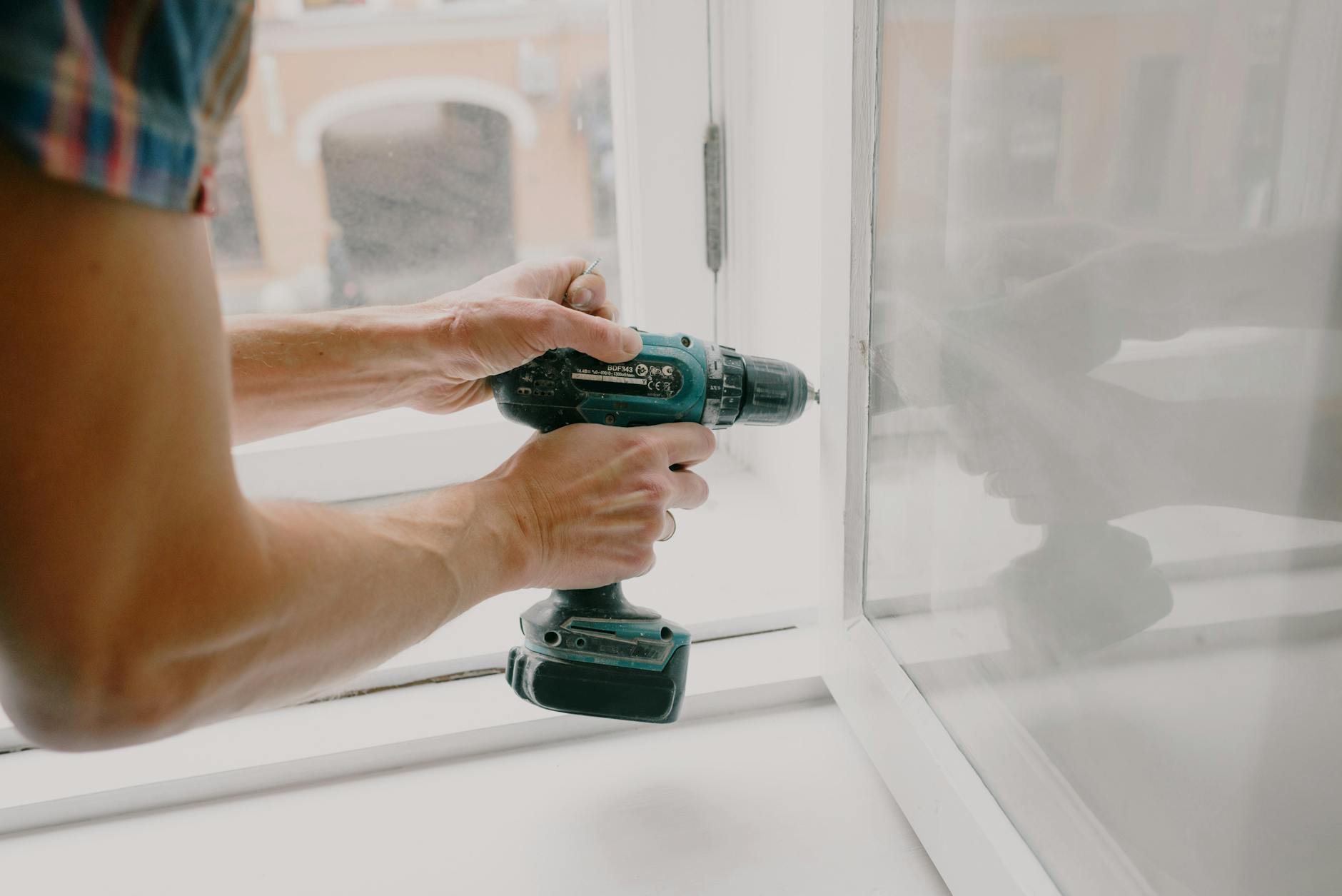
If you're replacing a single standard-sized window in an existing opening with the same-size unit, and you have solid carpentry and caulking experience, this is manageable for a skilled DIYer. You'll need to understand rough openings, shimming, flashing tape application, and interior trim work. YouTube tutorials can teach you the steps, but they can't guarantee you'll catch the subtle issues a professional spots from experience.
DIY window replacement is more viable in interior-protected homes than in oceanfront or coastal properties where water intrusion risk is higher. It's also more manageable for lower-story windows than second-floor installations requiring scaffolding or tall ladders.
When to Call a Professional
Call a professional when you're replacing multiple windows, when impact-rated installation is required, when the existing frames show any signs of rot or water damage, or when permits require inspections. A professional installer will also warranty their labor, which protects you if water intrusion issues appear later.
In Jacksonville Beach specifically, coastal exposure, salt air, and the hurricane wind-load requirements make professional installation the right call for most homeowners. A poor installation won't just cost energy efficiency. It can compromise your home's structural envelope during a major storm event.
WSJ Remodeling, Handyman & Pool Services brings thousands of completed jobs across the Jacksonville area and a 5.0-star Google rating from 135 verified customers to every project. That track record means something when you're trusting someone to properly seal your home against Florida's weather. Our team serves Jacksonville Beach, Ponte Vedra, Mandarin, and communities throughout Northeast Florida.
What to Expect: Cost Breakdown for Jacksonville
These ranges are based on typical project costs in the Jacksonville metro area and should be used as planning benchmarks, not quotes. Your actual cost will depend on window count, size, style, frame material, glass specifications, and the condition of existing frames.
| Window Type | Estimated Cost Per Window (Installed) |
|---|---|
| Standard vinyl double-hung, double-pane | $350 to $600 |
| Vinyl casement with Low-E coating | $450 to $750 |
| Fiberglass double-pane, Low-E | $600 to $950 |
| Impact-rated vinyl (Florida Building Code) | $700 to $1,200 |
| Impact-rated fiberglass or specialty | $900 to $1,500+ |
Whole-Home Project Ranges: A typical Jacksonville Beach home with 15 to 20 windows can expect total project costs ranging from $6,000 to $22,000+ depending on specifications. Larger homes in Ponte Vedra Beach, Nocatee, or St. Johns with more windows or higher specifications may run higher.
What Drives the Cost Up
- Impact-rated glass and frames (significant premium but often insurance-deductible eligible)
- Rotted or damaged frame repair and wood replacement before installation
- Custom window sizes or arched and specialty shapes
- Second-floor or difficult-access installations
- Interior trim and finish work after installation
Framing Cost as an Investment
Energy-efficient windows typically recover a significant portion of their cost through reduced energy bills. According to ENERGY STAR, replacing single-pane windows with certified products can reduce energy costs by 12% to 25% annually. In a Jacksonville Beach home spending $250 to $350 per month on electricity through summer, that's meaningful savings that compound over time. And at resale, buyers in the Ponte Vedra Beach and St. Johns market increasingly expect energy-efficient, hurricane-ready windows, so the investment often shows up in your sale price.
Pro Tips from Our Jacksonville Team
After completing thousands of home improvement projects across Jacksonville, Ponte Vedra, Mandarin, and the surrounding communities, our team has seen what works and what creates headaches later. Here's what we share with every homeowner before a window project kicks off.
1. Replace All Windows in One Project If You Can
Spreading window replacement over several years costs more in total. Contractors can mobilize more efficiently for a full-home project, and you'll often negotiate better pricing on materials when ordering a full set. The labor setup costs are roughly the same whether you're doing four windows or sixteen.
2. Inspect the Frames Before You Order
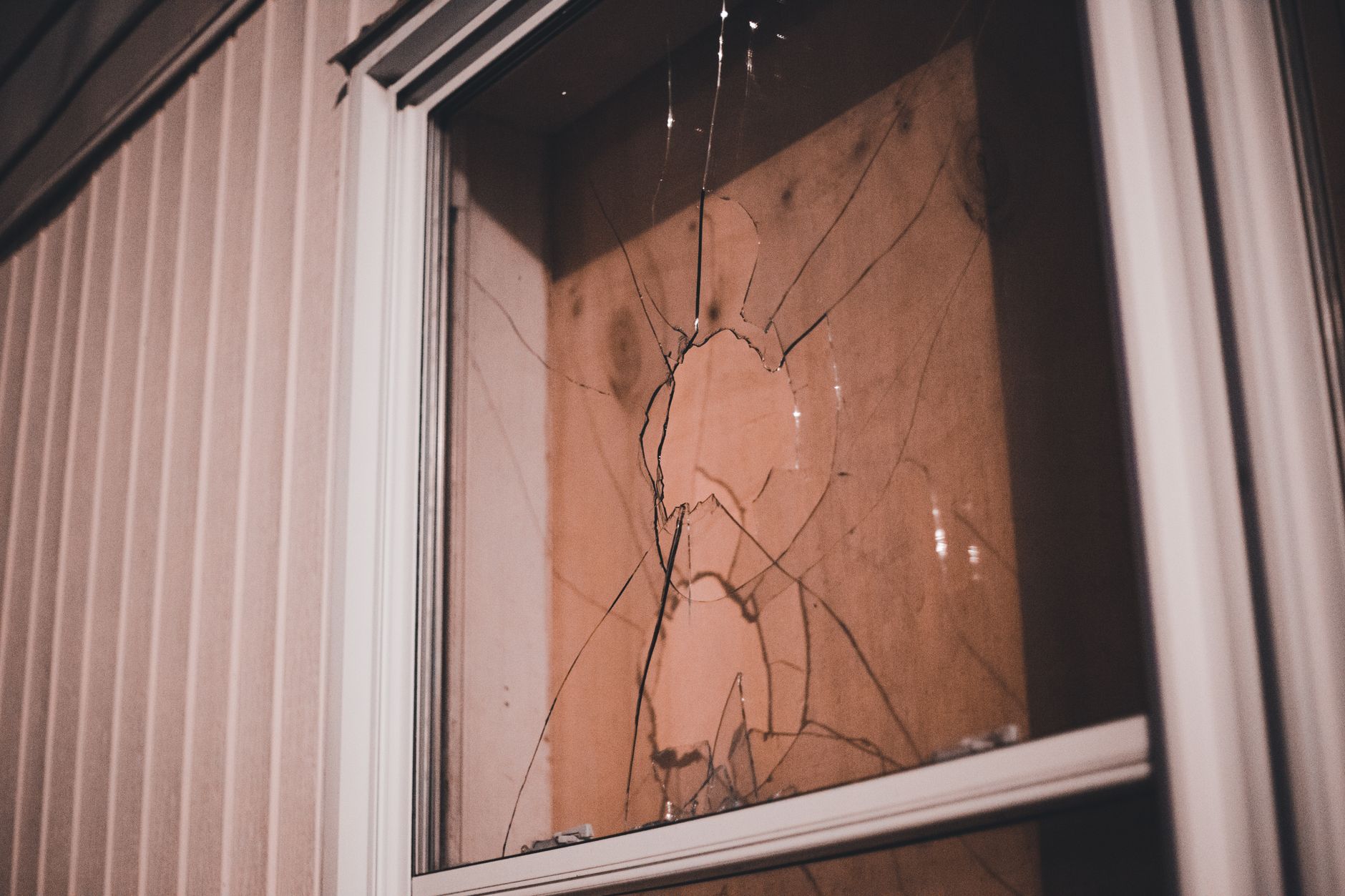
Existing window frame condition dramatically affects both installation cost and long-term performance. Before finalizing your window order, have a contractor inspect the existing frames, sills, and surrounding wood for moisture damage or rot. Discovering rot after windows arrive delays the project and adds unplanned cost. Our team at WSJ Remodeling, Handyman & Pool Services, rated 5.0 stars across 135 Google reviews, always includes a frame condition assessment before ordering materials.
3. Ask About Tinted or Reflective Glass Options
On south- and west-facing windows that receive direct afternoon sun, additional solar control glass options can make a meaningful difference. Bronze or gray tint, reflective coatings, or higher-specification Low-E variants are worth the modest additional cost on those exposures. North-facing windows receive far less direct sun and can use standard Low-E without the upgrade.
4. Consider the Pool Season Connection
Jacksonville's outdoor living season runs roughly ten to eleven months per year. Many homeowners with screened lanais and pools find that windows and sliding glass doors adjacent to the pool area take a beating from humidity, splashing, and constant use. These areas deserve impact-resistant, moisture-tolerant frames. If you're updating your pool area as part of a broader outdoor living project, ask about bundling window work with other services. You can learn more about our full range of outdoor living support through our pool services page.
5. Get the Florida Product Approval Number Before Signing
Before signing any contract, ask your contractor to provide the Florida Product Approval number for every window in the proposal. This takes thirty seconds to verify on the Florida Building Commission's website and confirms the product is code-compliant. Any reputable contractor will have this ready. If they hesitate or can't provide it, keep looking.
6. Factor In the Salt Air Maintenance Schedule
Even the best vinyl or fiberglass windows need periodic maintenance in a coastal environment. Rinse frames with fresh water a few times per year to remove salt deposits, inspect weatherstripping annually, and check caulk lines every two to three years. This simple maintenance extends window life significantly. Our team serves homeowners throughout the Jacksonville Beach area, including those in Ponte Vedra, San Marco and the Southbank, and Fleming Island, and we're always happy to include a window inspection as part of a broader home maintenance visit.
Frequently Asked Questions
How much does window replacement cost in Jacksonville Beach, FL?
Window replacement in Jacksonville Beach typically runs $350 to $1,200 per window installed, depending on frame material, glass type, and whether impact-rated construction is required. For a full home with 15 to 20 windows, most homeowners budget $6,000 to $22,000. Impact-rated windows, which are often required or strongly recommended for coastal properties, sit at the higher end of the range. Getting two or three detailed quotes from licensed Florida contractors is the best way to establish an accurate budget for your specific home.
Are impact windows required in Jacksonville Beach?
Whether impact windows are required depends on your property's specific location relative to Florida's wind-borne debris region designations and the applicable edition of the Florida Building Code. Properties in coastal areas, particularly east of certain threshold distances from the Atlantic, often fall into zones requiring impact-rated glazing or approved storm shutters. The Jacksonville Beach building department can confirm what applies to your specific address. Even when not technically required, impact windows are worth serious consideration given Jacksonville Beach's storm exposure and potential homeowner's insurance benefits.
How long does window replacement take?
The installation itself typically takes one to three days for a full home of 15 to 20 windows, assuming no significant frame rot or structural issues are discovered. The longer lead time is in the ordering and delivery phase. Custom or impact-rated windows often take four to eight weeks from order to delivery. Planning your project in early spring rather than late summer gives you the best chance of receiving materials and completing installation before peak hurricane season.
What ENERGY STAR rating should I look for in Florida?
Florida falls in ENERGY STAR's Southern climate zone, which requires a Solar Heat Gain Coefficient (SHGC) of 0.25 or less and a U-Factor of 0.40 or less for certification. SHGC is particularly important in Jacksonville Beach because reducing solar heat gain is the primary driver of cooling cost savings. Look for the ENERGY STAR label specifically for the Southern zone, not just a general ENERGY STAR certification, which may reflect Northern climate zone performance metrics. Your contractor should be able to pull the full performance specs sheet for any window they're proposing.
Do I need a permit for window replacement in Jacksonville Beach?
Yes, most window replacements in Jacksonville require a permit, particularly when installing impact-rated windows, changing the rough opening size, or replacing windows in the original structural envelope of the home. Permits trigger inspections that protect you by ensuring the installation meets Florida Building Code requirements. Skipping permits creates complications at resale, insurance claims, and future renovation projects. A licensed contractor will pull the required permits as part of their service. If a contractor proposes skipping permits to speed up the project or reduce costs, that's a red flag worth taking seriously.
How can I tell if my current windows are causing high energy bills?
Several signs indicate that existing windows are contributing to high cooling costs. Feel for warm spots or radiant heat near windows on sunny afternoons, check for condensation forming between glass panes (a sign of seal failure), notice whether you feel drafts near window frames when the AC is running, and look for fading of furniture or flooring near south- and west-facing windows (UV penetration). Single-pane or older double-pane windows with failed seals can account for 25% to 30% of a home's total heat gain in a Florida climate. The Jacksonville Electric Authority (JEA) offers home energy audits that can help quantify your window-related energy losses.
How do I choose a window contractor in Jacksonville?
Start by verifying the contractor holds an active Florida state license (you can check this through the Florida Department of Business and Professional Regulation). Confirm they pull permits and carry general liability insurance and workers' compensation. Ask for the Florida Product Approval numbers for windows they're proposing and look for their portfolio of local completed projects. A contractor with consistent five-star reviews from verified Jacksonville-area customers is a strong positive signal. Avoid contractors who push you to decide on the same day or who quote dramatically lower prices without explaining why their materials or process differ from competitors.
Will new windows increase my home's resale value?
Yes, energy-efficient and impact-rated windows are viewed as desirable upgrades by buyers in the Jacksonville and Northeast Florida market. In coastal communities like Ponte Vedra Beach, Nocatee, and Jacksonville Beach, buyers actively look for homes with hurricane-ready features. Impact windows in particular can support lower homeowner's insurance premiums, which is a selling point you can document for prospective buyers. The National Association of Home Builders recognizes energy improvements as among the features buyers most consistently value. While you may not recover 100% of the cost dollar-for-dollar at resale, windows are among the better return-on-investment upgrades available to Florida homeowners.
How often should windows in a coastal Florida home be replaced?
Quality vinyl or fiberglass windows in a well-maintained Jacksonville Beach home can last 20 to 30 years or longer. However, windows in salt-air environments near the ocean may show frame degradation, weatherstripping breakdown, or seal failure sooner than inland properties if not maintained. Inspect your windows annually for cracked caulking, damaged weatherstripping, fogged glass (indicating a failed seal), and frame corrosion or discoloration. Addressing these issues promptly extends window life significantly. If your home has original aluminum-framed windows from the 1980s or 1990s, replacement is almost certainly overdue and the energy savings from new windows will be dramatic.
Ready to Get Started?
If you're ready to explore window replacement for your Jacksonville Beach home, or you'd just like an honest assessment of what your current windows are costing you in comfort and energy bills, WSJ Remodeling, Handyman & Pool Services is ready to help.
We're a Jacksonville-based home services team with a 5.0-star Google rating from 135 verified customers and thousands of completed projects across Northeast Florida. We know the local building codes, understand what Florida's coastal climate demands from windows, and we handle the permitting process so you don't have to. Our work speaks for itself. Take a look at our project gallery to see the quality we bring to Jacksonville-area homes.
We proudly serve homeowners throughout Jacksonville Beach, Ponte Vedra, Mandarin, Nocatee, St. Johns, Riverside and Avondale, and the surrounding communities.
Call us at (904) 747-8788 or Request a Free Estimate online. Let's talk about what your home needs and what it will cost, with no pressure and no surprises.
WSJ Remodeling, Handyman & Pool Services. 7643 Gate Parkway, Suite 104-1230, Jacksonville, FL 32256. Phone: (904) 747-8788 or (904) 747-9636.