
Routine yard maintenance involves scheduled lawn mowing, seasonal pruning, turf fertilization, weed management, and soil aeration to preserve plant health and exterior curb appeal. Property owners typically spend between $130 and $300 per month for ongoing upkeep, depending on lot size and regional climate conditions. Establishing a steady seasonal schedule prevents severe landscape damage, reduces pest risks, and protects overall property value.
Outdoor spaces demand regular attention throughout every season of the year. Whether you manage a modest suburban lot or a sprawling multi-acre property, standard chores shift significantly between spring growth surges and winter dormancy. This guide outlines fundamental groundskeeping responsibilities, typical regional pricing, DIY versus contractor trade-offs, and critical seasonal schedules.
Staying ahead of exterior chores also prevents expensive collateral structural issues. Overgrown root systems can buckle walkways, while unmanaged shrubbery invites destructive wood pests right to your foundation. Learning how to structure your landscape chores gives you control over your outdoor space and keeps your budget predictable.
Seasonal Yard Maintenance Schedules Protect Property Value
Consistent grounds care follows the natural biological rhythm of turfgrass, shrubs, and ornamental trees. Ignoring seasonal transitions leads to fungal diseases, severe weed infestation, and compacted soil that starves plant root networks. By organizing chores into spring, summer, fall, and winter blocks, you protect your landscaping investments efficiently.
Spring Landscape Prep and Turf Revival
Spring marks the transition from cold dormancy to active vegetation recovery. As soil temperatures climb past 55 degrees Fahrenheit, grass wakes up and searches for essential moisture and nutrients. Your first chore is clearing winter debris such as fallen twigs, decaying leaves, and broken branches that harbor mold.
Apply a pre-emergent herbicide during early spring to stop crabgrass and broadleaf weed seeds before germination begins. Follow up with light dethatching if dead grass layers exceed half an inch in thickness. Light scarifying allows sunlight and fresh air to reach emerging green shoots without damaging the fragile root zone.
Mulching plant beds is another non-negotiable spring priority. A fresh two-to-three-inch layer of organic bark or hardwood mulch locks in soil moisture, moderates root temperatures during impending hot spells, and discourages weed sprouts. Avoid piling mulch directly against tree trunks or wood siding, because trapped moisture quickly promotes fungal rot and insect entry.
Summer Irrigation and High Heat Turf Protection
Summer brings harsh midday heat, extended sun exposure, and variable rainfall that test lawn resilience. Adjust your mowing deck upward during summer months. Leaving turf blades at three to four inches tall shades the root system, preserves ground moisture, and creates deeper drought tolerance.
Water deeply rather than frequently to build deep, hardy roots. Turf typically requires about one to 1.5 inches of water per week, distributed across two deep morning watering sessions. Early morning watering between 4:00 AM and 8:00 AM drastically limits evaporation and prevents lingering moisture on grass blades overnight, which is a prime catalyst for fungal blight.
Keep a close eye on pest activity during humid summer stretches. Chinch bugs, armyworms, and grubs can ruin thick turf within days if left unaddressed. Spot-treat problem patches promptly using selective treatments so you preserve beneficial soil organisms and predatory insects.
Autumn Cleanups and Winter Preparations
Fall focuses on structural recovery and setting the stage for smooth spring growth. Core aeration during early autumn breaks up compacted soil, relieving traffic pressure and letting oxygen, water, and slow-release fertilizer penetrate deep into the root profile. Overseed warm or cool-season turf varieties where summer traffic created thin, bare soil spots.
Rake deciduous leaves consistently before heavy autumn rains compact them into thick mats. Wet leaf blankets smother living grass, block sunlight, and invite snow mold or turf rot. Consider mulching crisp leaves with your mower deck to recycle nitrogen, phosphorus, and organic matter back into the ground.
Winter demands equipment winterization, drainage clearance, and dormant tree pruning. Trim back dead, diseased, or crossing tree branches while leaves are down, which minimizes structural stress during winter windstorms. Clean gutters, grade downspout runoff away from planting beds, and insulate vulnerable outdoor hose bibs to prevent freezing damage.
Core Tasks in Routine Yard Maintenance Plans
A functional exterior care plan covers far more than pushing a mower across the front lawn every Saturday. True grounds upkeep encompasses soil balance, hedge sculpting, drainage management, and perimeter structure upkeep. Grouping these tasks into cohesive operational categories keeps your property balanced and visually appealing.
Precision Mowing, Edging, and Trimming
Mowing requires sharp blades and clean execution. Dull mower blades tear grass blades rather than slicing them cleanly, creating ragged brown tips that invite bacterial pathogens. Sharpen your lawnmower blades every 20 to 25 operating hours to keep cuts crisp and clean.
Observe the standard one-third rule during every mowing cycle. Never slice off more than one-third of the total grass blade height in a single pass. Cutting grass too short shocks the plant, halts root development, and exposes topsoil directly to weed seed dispersal.
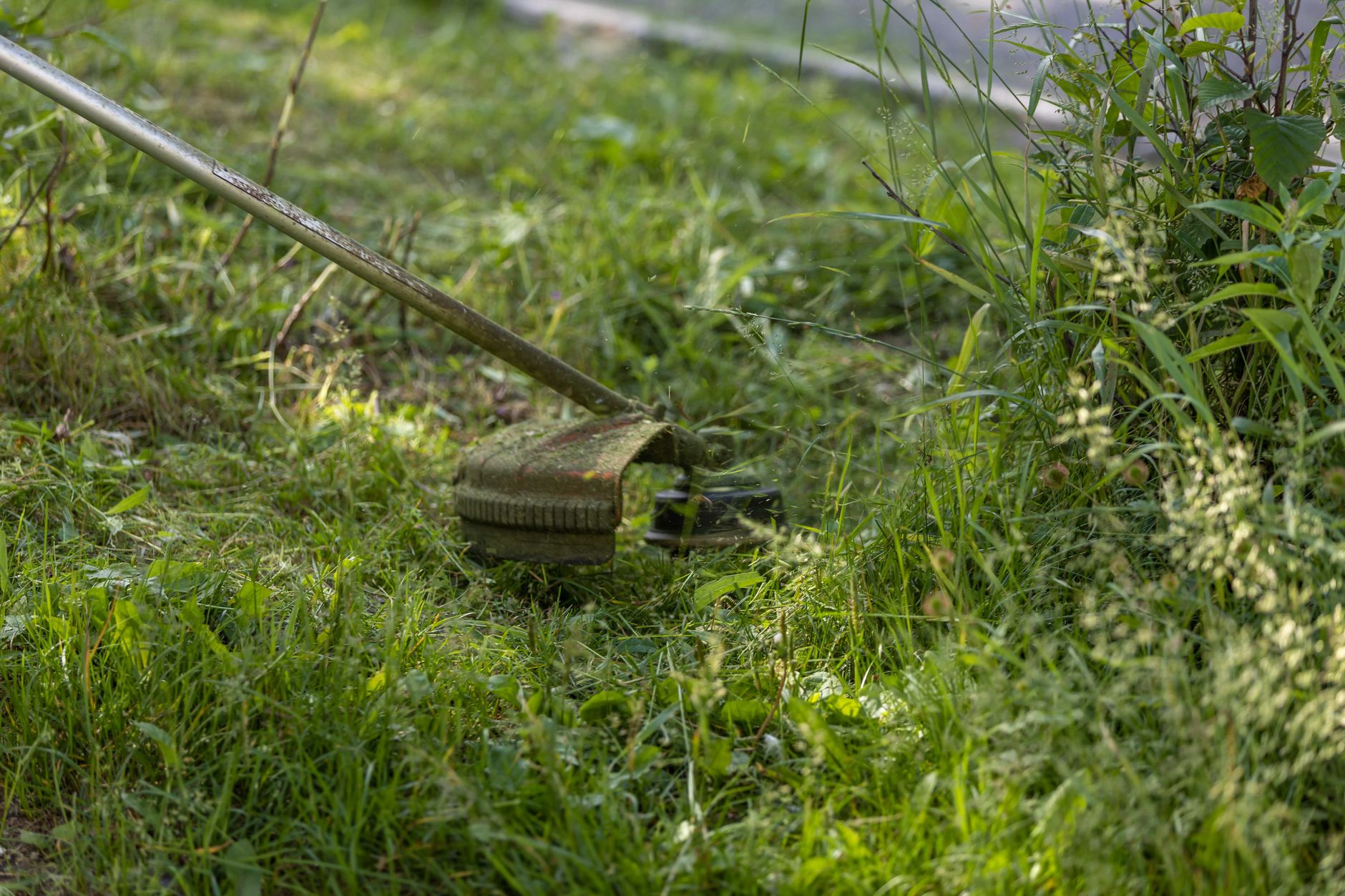
Mechanical string trimming and sidewalk edging complete the polished look of a property. Trench along walkways, curbs, and landscape borders to form clean dividing lines that stop aggressive turfgrass runners from invading flower beds. Sweep or blow all clipping residue off hard surfaces back onto grass areas to prevent stormwater drain runoff contamination.
Soil Nutrition, Weed Control, and Aeration
Lush lawns depend fundamentally on the quality and chemical balance of the underlying dirt. a standard soil test every two to three years through a local university agricultural extension office. Testing reveals soil pH along with deficiencies in nitrogen, phosphorus, potassium, and trace minerals.
If your soil tests overly acidic, apply agricultural lime to bring the pH level back to the optimal 6.0 to 7.0 range. In contrast, alkaline soils benefit from elemental sulfur or acidic peat amendments. Balanced pH ensures your turf can absorb granular fertilizers instead of letting nutrients wash away uselessly into local groundwater systems.
Weed management involves combining pre-emergent barriers with selective post-emergent spot treatments. Hand-pull isolated weeds like dandelions or plantains when the ground is soft after rain, removing the entire taproot to stop immediate regrowth. Dense turf naturally crowds out the vast majority of weed seeds, proving that good turf nutrition is your best defense against weeds.
Hedge Sculpting, Bed Weeding, and Mulching
Shrubs and perennial ornamental beds define the perimeter architecture of residential lots. Prune shrubs according to their blooming calendar. For example, prune spring-flowering bushes immediately after their blossoms drop, whereas summer-flowering shrubs should be trimmed during late winter dormancy.
Keep the base of hedges slightly wider than the top canopy when sculpting perimeter shrubs. This trapezoidal angle allows natural sunlight to filter down to bottom branches, preventing thin, bare gaps near the ground. Cut away weak water sprouts and vertical suckers that siphon energy from main structural stems.
Landscape beds need periodic hand weeding and edging to stop creeping roots from overtaking delicate perennials. Replenish mulch annually to preserve a clean look, suppress invasive seeds, and feed decomposing organic material into the topsoil. Pine straw, shredded cypress, and cedar mulch represent clean, attractive options that decompose slowly.
Integrating Outdoor Upkeep With Broader Home Services
Outdoor grounds care links closely with general residential preservation chores. A neglected yard often causes structural troubles, ranging from blocked gutter lines to moisture accumulation near siding. Pairing grounds care with steady Home Maintenance routines protects structural foundations and preserves interior comfort.
Water features demand parallel coordination as well. Leaves, grass trimmings, and excess organic debris routinely blow into outdoor basins, disrupting pump skimmers and altering chemical balances. Coordinating lawn mowing routines alongside residential Pool Cleaning keeps filtration systems clear and minimizes filter backwashing cycles.
If debris accumulates or chemical spikes occur, scheduling professional Pool Maintenance prevents algae blooms and pump strain. For homeowners balancing water care and grounds care, specialized residential pool maintenance creates clean synergy between lawn aesthetics and pristine swimming conditions. If storm winds down limbs on boundary lines, immediate Fence Repair preserves boundary security and stops neighborhood pets from straying across fresh turf.
Contractors operating landscape trailers and heavy mowing machinery often require specialized vehicle titling and business asset organization. Commercial operators commonly look at services from Dirt Legal, Montana Vehicle Registration to handle compliant equipment registration, or verify vehicle safety criteria directly via the NHTSA VIN Lookup resource.
Cost Factors for Professional Yard Maintenance Services
Hiring a reputable grounds crew simplifies weekend schedules and eliminates equipment upkeep headaches. Pricing varies widely based on regional labor rates, property size, turf complexity, and the bundle of services you select. Understanding standard contractor rate sheets lets you negotiate fair agreements and avoid unexpected service surcharges.
Most landscape outfits offer weekly, bi-weekly, or monthly contract models. Weekly service is common during peak warm-season growth spurts, while bi-weekly visits generally suffice during mild shoulder seasons or winter periods in temperate zones. Standalone single-visit cleanups always carry higher hourly rates than ongoing recurring contracts.
Below is a comparative breakdown of standard exterior services, estimated average costs, and suggested application cadences for typical suburban homes:
| Upkeep Service | Average Cost Range | Recommended Frequency | Key Benefit |
|---|---|---|---|
| Routine Mowing, Edging, and Blowing | $45 to $85 per visit | Weekly or Bi-weekly | Maintains uniform turf height and stops weed expansion |
| Core Aeration and Overseeding | $160 to $320 per session | Annually (Early Fall or Spring) | Alleviates soil compaction and fills thin patches |
| Shrub Trimming and Bed Weeding | $60 to $120 per hour | Monthly or Seasonal | Preserves plant geometry and removes invasive roots |
| Fertilization and Weed Prevention Plan | $55 to $110 per treatment | 4 to 6 Times per Year | Provides systemic nutrients and stops seed germination |
| Spring or Fall Leaf Clearing Cleanup | $220 to $550 per project | Twice per Year | Removes suffocating organic mats and clears drainage |
| Irrigation System Audit and Tune-Up | $90 to $200 per check | Twice per Year | Fixes misaligned spray heads and prevents wasted water |
Several underlying site factors cause professional pricing to rise. Steep terrain, limited access gates, excessive ornamental obstacles, and large fallen tree debris require extra labor and specialized equipment. Always ask contractors whether their written estimate includes clipping bagging fees, dump site disposal costs, and fuel surcharges.
Property owners also find that general residential work often groups naturally with outdoor renovations. Completing landscape grading alongside exterior Home Repairs ensures proper foundation slopes that protect your house against water intrusion. Managing these related projects together keeps your total investment manageable.
DIY Versus Professional Grounds Management
Deciding between handling your own property tasks or outsourcing the workload comes down to three factors: available time, physical ability, and upfront equipment capital. Handling the work yourself grants total control over your schedule and saves regular labor fees, but it demands consistent weekend labor and storage space for tools.
Outfitting your garage with dependable tools requires a notable initial investment. A reliable commercial-grade self-propelled or zero-turn mower, cordless string trimmer, backpack leaf blower, handheld pruner, and fertilizer spreader easily total $1,500 to $4,500. You must also factor in ongoing expenses for fuel, synthetic oil, replacement cutting line, blade sharpening, and winterization supplies.
Professional services bring specialized machinery, high-volume commercial materials, and trained field crews who finish in 30 minutes what might take you half your weekend. licensed specialists understand pest diagnostics, grass seed cultivars, and turf pathogen signs that average homeowners might miss until damage spreads. If your schedule is crowded with career and family obligations, paying a vetted local team is a smart, time-saving trade-off.
Essential Equipment for the Dedicated Homeowner
If you choose the DIY route, invest in high-quality gear that saves time and holds up under regular use. Battery-powered electric equipment has improved rapidly, offering quiet operation, instant push-button starts, and zero seasonal engine winterization concerns. Look for interchangeable battery platforms so you can swap batteries between string trimmers, blowers, and hedge shears effortlessly.
Do not forget proper personal protective gear. Sturdy steel-toe work boots, ANSI-rated safety goggles, and hearing protection are essential whenever running power equipment. Flying gravel and hidden debris thrown by mower blades or line trimmers can cause severe injuries in a split second.
Sustainable and Water-Wise Landscape Practices
Modern property care places significant emphasis on resource conservation. Planting native drought-hardy shrubs, wildflowers, and groundcovers reduces irrigation demands and cuts fertilizer needs dramatically. Native plants adjust naturally to local soil textures and annual rainfall patterns, resisting native fungal issues without chemical intervention.
Smart irrigation timers represent another simple upgrade for water-conscious homeowners. These controllers sync with local satellite weather forecasts to pause scheduled sprinkler cycles when natural rainfall occurs. Reducing unnecessary watering saves money on monthly utility bills while stopping root suffocation and fungal outbreaks caused by over-saturated topsoil.
Frequently Asked Questions About Property Upkeep
How often should residential grass be mowed during peak growing season?
During the primary growing season of late spring and early summer, most residential lawns should be mowed once every five to seven days. Warm-season grasses like Bermuda or St. Augustine grow vigorously during periods of combined heat and rainfall. Sticking to a weekly cycle ensures you never remove more than one-third of the blade height at one time, which prevents turf shock and keeps the grass healthy.
What is the most effective time of day to water outdoor plants and turf?
The best window for watering is early morning between 4:00 AM and 8:00 AM. Temperatures are cooler and winds are calm during these early hours, allowing water to soak deep into the soil before hot midday sun causes rapid evaporation. Watering early also allows grass blades to dry quickly once daylight hits, which greatly reduces the risk of fungal infections that thrive on wet leaves overnight.
Is leaving grass clippings on the lawn beneficial or harmful?
Leaving clippings on the lawn is highly beneficial as long as you mow regularly and the clippings are short. This practice, known as grasscycling, allows the finely cut blades to decompose quickly, returning valuable nitrogen, potassium, and organic matter back into the soil naturally. However, if the grass is overly tall or wet, heavy clumps should be raked up so they do not smother underlying live grass.
How do I determine whether my soil requires lime or sulfur amendments?
The only accurate way to determine soil amendment needs is through a standard laboratory soil test. Inexpensive DIY test kits provide general ideas, but sending samples to a local agricultural extension office yields exact pH measurements and nutrient levels. A pH reading below 6.0 indicates acidic soil requiring agricultural limestone, whereas a reading above 7.0 signifies alkaline soil that benefits from granular sulfur or peat moss.
When is the proper time of year to aerate compacted lawn soil?
The ideal aeration window depends on whether you have cool-season or warm-season grass. For cool-season turf varieties like Kentucky bluegrass or fescue, core aerate in early autumn when root activity is high and weed competition drops. For warm-season turf types such as Bermuda, Zoysia, or St. Augustine, schedule aeration during late spring or early summer when the grass is growing rapidly and can heal core holes quickly.
How can I safely eliminate broadleaf weeds without damaging lawn grass?
Target broadleaf weeds using selective post-emergent liquid herbicides formulated specifically for your grass variety. Selective herbicides attack broadleaf weed physiology, including clover, dandelions, and plantains, without harming surrounding turf blades. Always read product labels carefully, spray during calm wind conditions to stop chemical drift, and avoid spraying when air temperatures rise above 85 degrees Fahrenheit.
Establishing an organized yard maintenance routine keeps your home exterior welcoming, functional, and resilient against seasonal weather changes. Whether you handle weekly mowing yourself or partner with an experienced grounds crew, consistent soil care, smart watering, and timely pruning deliver long-term property value. Protect your outdoor investment today by creating a structured plan tailored to your landscape.